
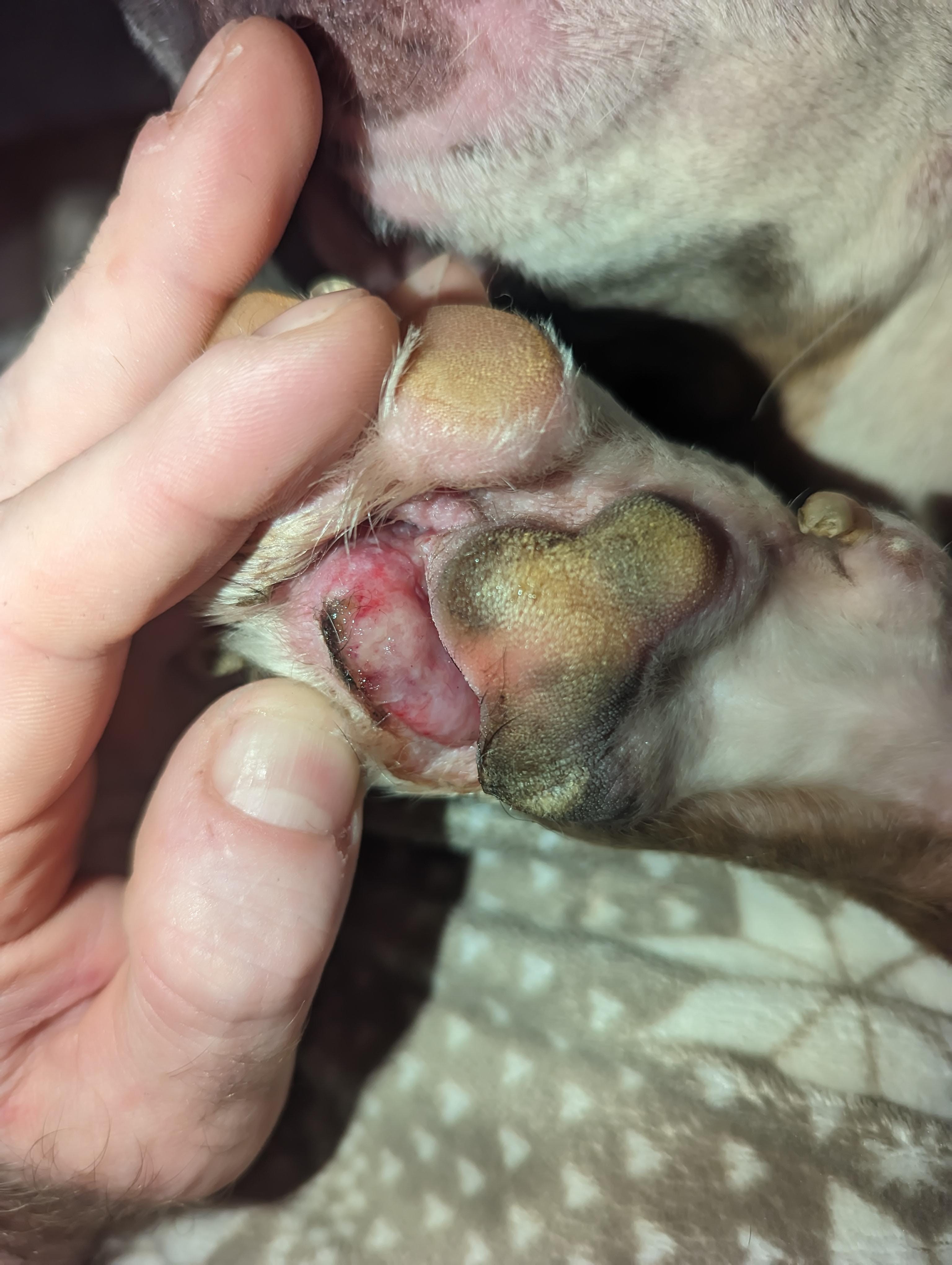
It’s a common and often distressing sight for dog owners: your beloved canine companion compulsively licking or chewing their paws. While it might seem like a simple habit, excessive paw licking and biting can signal underlying issues that require attention. The first and most crucial step when you notice this behavior is to contact your veterinarian. Ruling out various medical causes is paramount before exploring other possibilities.
Allergies and Parasites: The Itchy Culprits
Skin allergies are a frequent cause of paw irritation, leading to incessant licking and chewing. These allergies can be triggered by environmental factors or contact with specific substances. If your dog’s paws have been in contact with potential allergens, rinsing them with cool, plain water after each walk can offer some relief. Your veterinarian is the best resource for diagnosing and managing allergies, providing tailored advice and treatment plans.
Parasites are another common enemy of comfortable paws. During late summer and autumn, harvest mites can infest your dog’s skin, appearing as tiny red dots that cause significant irritation. Other types of mites, such as those responsible for sarcoptic mange or demodex, can also lead to intense itching. Fleas, the most prevalent cause of itchiness in dogs, may not always reside on the feet, but if a dog cannot scratch an infestation elsewhere, they might turn to paw licking as a distraction.
Soreness, Boredom, and Behavioral Triggers
Beyond itchy feet, your vet might explore other reasons for paw licking. Dogs may lick or chew at their paws or joints if they are experiencing stiffness or soreness, akin to how humans might rub an aching spot.
Boredom and stress can also manifest as compulsive paw licking and biting, stemming from frustration. Observing your dog closely can help identify specific triggers for this behavior. If the licking appears to occur randomly at home, affecting one or two paws without an apparent medical cause, it might indicate a lack of mental stimulation.
To combat boredom-induced licking, consider providing interactive toys, such as a “destruction box,” or puzzle feeders to keep your dog’s mind engaged. Increasing daily exercise and playtime can also be beneficial. Consulting resources like our free exercise guide can help you determine appropriate activity levels for your dog. Read our free exercise guide to get a rough idea of how much your dog might need.
Anxiety can also lead to a dog chewing or licking their feet, as it can be a self-soothing mechanism. In some cases, this behavior may have originated from an initial itch but continued even after the itch subsided because it provided comfort. Breaking this habit can be challenging, and seeking advice from your vet or an accredited dog behaviorist near me is recommended. Organizations like the Association of Pet Behaviour Counsellors (APBC) or the Animal Behaviour and Training Council (ABTC) can help you find a qualified professional.
Seeking Early Intervention for Lasting Relief
The good news is that addressing the root cause of your dog’s paw nibbling early on significantly increases the chances of successful resolution. Your veterinarian can treat parasitic infections and offer guidance on managing allergies, including appropriate medication. For behavioral issues, your vet can discuss potential medications to manage discomfort and strategies for modifying the behavior. Ensuring your dog receives ample exercise and playtime is crucial to prevent boredom and provide healthy outlets for their energy. It’s also important to ensure your dog isn’t suffering from dog licking and biting paws.
This article was compiled with advice from PDSA Vets.
