
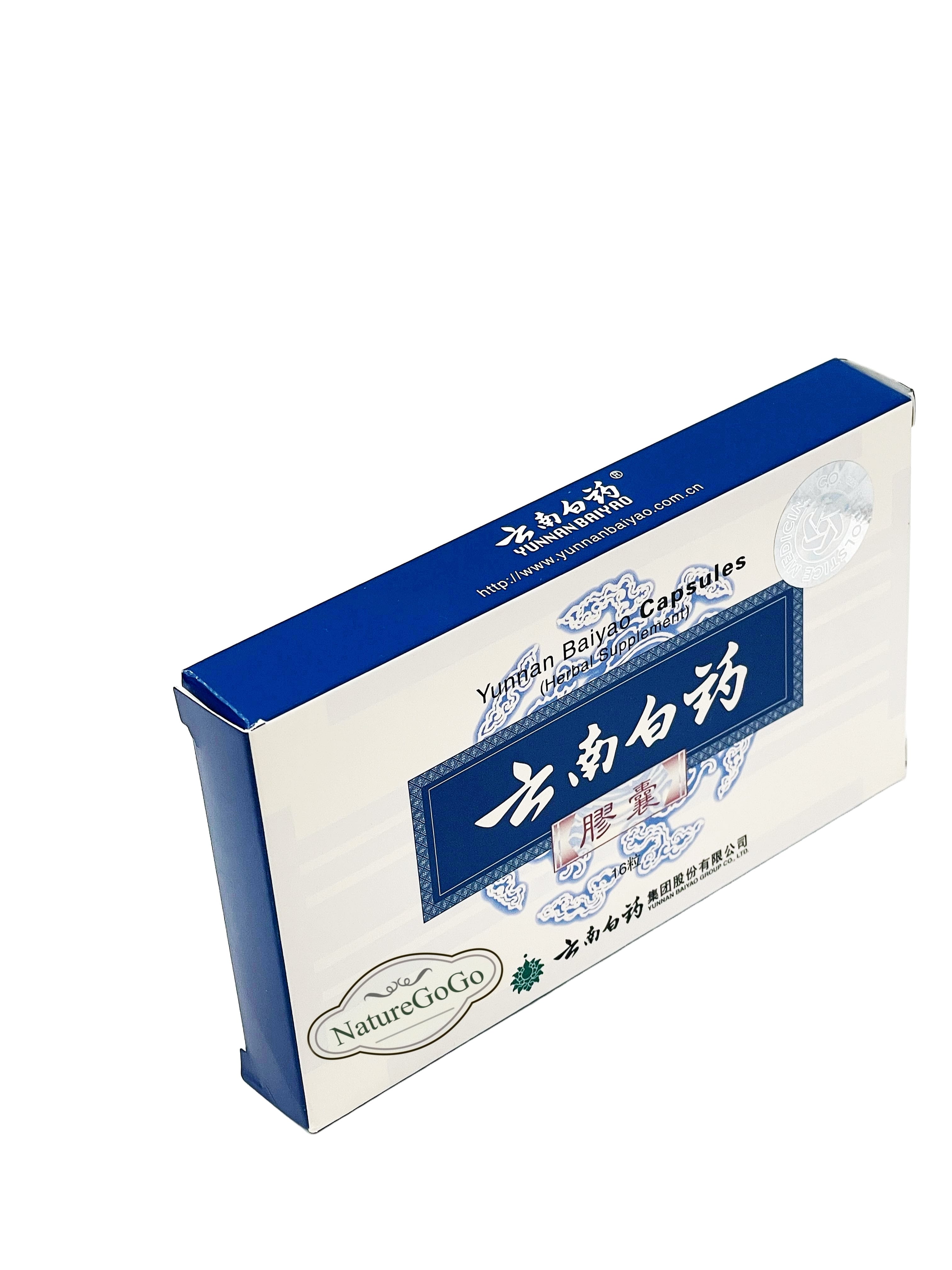
Yunnan Baiyao is a traditional Chinese herbal mixture that has gained attention for its use in both humans and pets, particularly dogs and cats. Primarily utilized to aid wound healing, act as a pain reliever, and most significantly, to stop bleeding, this ancient remedy offers a unique approach to pet health. Developed in China in the early 1900s, legend has it that Yunnan Baiyao was carried by soldiers to manage battlefield injuries and control bleeding. While the precise formulation remains a closely guarded secret, the key active ingredient is believed to be a type of pseudoginseng root known as Panax notoginseng. Yunnan Baiyao can be administered internally through oral supplements or externally as a topical application. Despite limited formal medical studies on its efficacy in dogs, it has been a trusted aid at veterinary centers like Angell Animal Medical Center in Boston for managing bleeding, especially in cases of hemoabdomen—the presence of blood within the abdominal cavity. It is crucial to remember that Yunnan Baiyao, like other Eastern medicine remedies, should complement, not replace, modern Western veterinary care and always be used under the guidance of a veterinarian.
How Yunnan Baiyao Works in Canine Health
The proposed mechanism by which Yunnan Baiyao aids in controlling bleeding in dogs involves the activation of platelets and the inhibition of new blood vessel growth. Platelets, which are derived from larger cells in a dog’s bone marrow, play a vital role in hemostasis by forming blood clots to slow or stop bleeding and promoting wound healing. This herbal formula is available in capsule form for oral administration and as a powder for topical use.
A study conducted in 2017 by the National Institutes of Health (NIH) investigated the effects of orally administered Yunnan Baiyao on blood clotting in beagles. While the study’s findings were not conclusive regarding its ability to directly enhance blood clotting, it did establish the supplement’s safety for canine consumption, as no adverse side effects were observed. This outcome is common for many traditional Chinese herbal formulas; they are often found to be harmless, though their specific therapeutic benefits may be difficult to definitively prove. Therefore, integrating these options with conventional medical treatments under veterinary supervision remains paramount.
Beyond its recognized use in managing bleeding, Yunnan Baiyao has also been explored for its potential anti-inflammatory and anti-cancer properties. A 2014 study examined its effects on cells involved in hemangiosarcoma in dogs, a type of cancer originating from blood vessels that frequently affects the spleen, liver, or heart. The research indicated that Yunnan Baiyao usage in dogs with hemangiosarcoma led to a reduction in the number of cancer cells within the body.
Treating Various Conditions with Yunnan Baiyao in Dogs
For many years, Yunnan Baiyao has been employed in veterinary practice to help mitigate bleeding in dogs. It is most frequently recommended for conditions such as hemoabdomen (excessive free-floating blood in the abdominal cavity, often resulting from a ruptured tumor or injury to the liver or spleen), pericardial effusion (the accumulation of blood outside the heart wall), and epistaxis (nosebleeds).
Furthermore, Yunnan Baiyao has been used to address shock and other causes of hemorrhage in dogs. Although not officially approved by the FDA for use in canine patients, it can be administered “off-label” when a veterinarian determines it may offer therapeutic benefits, particularly in managing cancer and other bleeding disorders.
Where to Obtain Yunnan Baiyao for Your Dog
Yunnan Baiyao capsules can be procured directly from your veterinarian. While this traditional Chinese herbal supplement is accessible through numerous online retailers, it is strongly advised against purchasing or administering it without consulting your dog’s veterinarian. They are best equipped to ascertain if Yunnan Baiyao is an appropriate treatment option for your canine companion.
A typical packet of Yunnan Baiyao capsules contains both standard white capsules and a small red pill. This red pill represents a higher concentration of Yunnan Baiyao and is reserved for instances of severe, uncontrolled bleeding. If your veterinarian identifies a critical hemorrhage, they may suggest administering this potent pill in conjunction with the regular capsules.
Potential Side Effects of Yunnan Baiyao in Dogs
While Yunnan Baiyao generally appears safe for dogs, its integration into veterinary medicine is relatively recent, and its long-term safety in canine use has not been extensively studied. This traditional Chinese medicine supplement should only be used as an adjunct to modern veterinary treatments and strictly under the recommendation of your veterinarian. Reported side effects in dogs are typically mild and can include nausea, vomiting, diarrhea, decreased appetite or loss of appetite, skin rash, itching, and flatulence. Some of these gastrointestinal disturbances may be alleviated by administering the supplement with food.
Given that Yunnan Baiyao may potentially elevate liver enzymes in some dogs, it should be used with caution in canines with pre-existing liver conditions. When Yunnan Baiyao is considered alongside anti-cancer therapies such as chemotherapy, it is often recommended to initiate the supplement a few weeks into the treatment course.
Frequently Asked Questions About Yunnan Baiyao for Dogs
How long can a dog be treated with Yunnan Baiyao?
Yunnan Baiyao can be administered on a daily basis, with the dosage determined by the nature and duration of the bleeding. The capsules can be given orally, or the powder contained within can be applied topically to a bleeding skin wound. Long-term administration is generally not advised due to potential implications for liver health.
What is the appropriate dosage of Yunnan Baiyao for my dog?
This traditional Chinese medicine supplement must only be administered under the direct supervision and guidance of your pet’s veterinarian. Your vet will also be responsible for establishing the correct dosing schedule for your dog. It is important to note that package inserts may provide dosage information intended for humans, which should not be followed for canine administration.
