
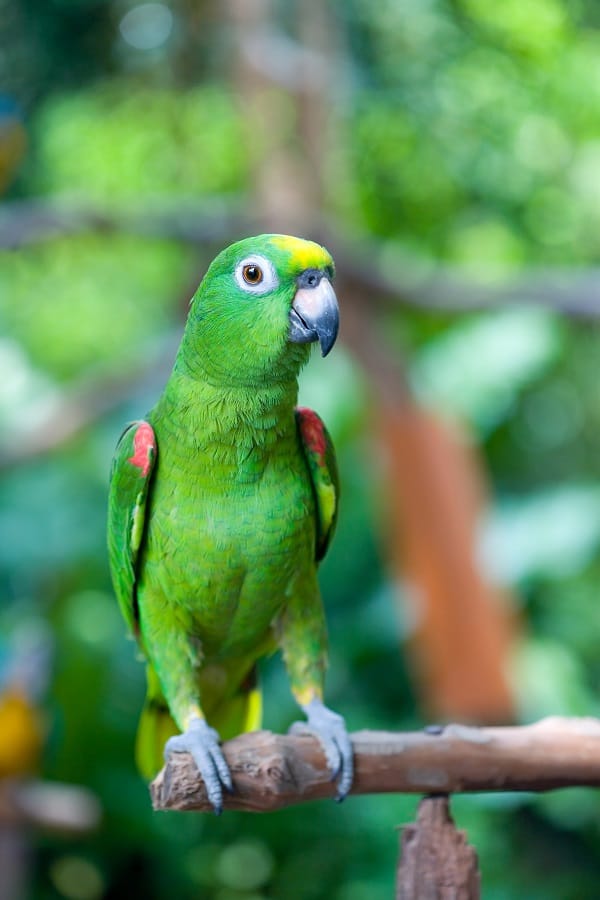
Birds make wonderful and engaging companions, and for those considering adding a feathered friend to their home, understanding the different species is key. Not all birds are suited for domestic life, but many thrive when given the right care and attention. This guide explores some of the most popular pet bird types, highlighting their unique characteristics, care needs, and suitability for various households. Ensuring you select a bird that aligns with your lifestyle will foster a long and happy relationship. Always choose a reputable breeder or bird store to ensure you acquire a healthy and well-socialized bird.
Popular Pet Bird Varieties
Parakeets (Budgies)
Parakeets, often known as budgies or budgerigars, are globally recognized for their affectionate nature and suitability as companion birds when properly cared for and trained. As one of the smallest companion birds, they are relatively low-maintenance and easy to train, especially the males, who are known for bonding quickly with their owners. Their beautiful, varied plumage, active and playful personalities, and ability to mimic speech make them delightful pets. Parakeets also vocalize with happy chirping when left to their own devices, filling the home with pleasant sounds. They can be kept singly or in pairs, with a second parakeet offering great companionship when owners are away.
- Weight: Approximately 1 ounce
- Length: 6 to 8 inches
- Lifespan: 7 to 15 years with proper care
- Physical Characteristics: Come in various colors like green, yellow, blue, and violet, often with black markings on the head, wings, and back.
Cockatiels
Cockatiels are highly communicative and emotional birds, easily recognized by the crest on their heads, which they use to express their feelings. A flattened crest can indicate fear or anger, while an erect crest signals surprise or excitement. While some can be trained to talk, they are more known for mimicking sounds, such as phone rings and alarms. Female cockatiels are generally gentle, whereas males tend to be more spirited and enjoy performing for their owners. Their signature whistle is a form of compliment, indicating they like something or someone. As members of the parrot family, cockatiels crave social interaction and require significant time and attention to prevent loneliness and depression. Keeping them in pairs is recommended, though single cockatiels can do well with near-constant human interaction. They also need a large cage with ample perches for exercise and comfort.
- Weight: Approximately 3 ounces
- Length: 12 to 13 inches (adults)
- Physical Characteristics: Primarily gray feathers with orange ear patches and yellow and white accents. Males typically have yellow heads, while females are mostly gray.
- Lifespan: 15 to 20 years, with some living up to 30 years.
Doves
Doves are ideal for owners with busy schedules as they are not overly demanding of their owner’s time. These easygoing birds are gentle and sweet when handled or hand-fed. As social creatures, doves need ample time to fly and interact with their human caretakers if kept alone. They are suitable pets for older children who understand gentle handling. Many owners appreciate their soothing cooing sounds. Unlike parrots, doves cannot climb cage bars and require space to fly between perches, necessitating a large cage.
- Weight: 5 to 8 ounces
- Length: 11 to 13 inches
- Physical Characteristics: Typically brown and dull gray feathers with black eyes, beak, and a neck collar. Ring-necked doves also come in orange, white, and pied varieties.
- Lifespan: 8 to 15 years, depending on the species and care.
Canaries
Canaries have been popular companion birds for centuries, with over 200 breeds offering diverse appearances and temperaments. They are shyer than other pet birds and prefer not to be handled extensively, requiring patience to build trust. Similar to doves, canaries need a large flight cage for their well-being. Male canaries are famed for their singing, making them a good choice for those seeking a vocal companion, while females are a quieter option.
- Weight: Less than 1 ounce
- Length: 4 to 8 inches
- Physical Characteristics: Birds are vibrantly colored in shades of yellow, green, orange, or brown.
- Lifespan: Typically 9 to 10 years, with some living up to 15 years or more.
Hyacinth Macaws
The hyacinth macaw is the largest parrot species, requiring ample space and commitment from its owners. Those who can provide the necessary environment are rewarded with a deep, enduring friendship with these incredibly social and cuddly birds. They thrive on affection and interaction. Their striking cobalt blue plumage and distinctive yellow markings around their eyes and beak are eye-catching. Hyacinth macaws are a significant investment due to their cost and the large space they require, but they offer a lifelong companionship, often living over 30 years.
- Weight: 42 to 51 ounces
- Length: 40 inches
- Lifespan: Often 30+ years
- Physical Characteristics: Solid blue plumage with yellow patches around the eyes and beak; black beak and dark gray feet.
Lovebirds
In contrast to the hyacinth macaw, lovebirds are the smallest members of the parrot family, yet they possess significant personality and affection. Their name derives from the strong bonds they form with mates and owners. Contrary to popular belief, they do not strictly need to be kept in pairs; a single lovebird can bond intensely with its human owner. However, pairs can also provide companionship, reducing the owner’s burden of fulfilling all social needs. Lovebirds can be more challenging than doves or parakeets, sometimes testing boundaries with nipping or aggression, making them less suitable for households with very young children.
- Weight: 2 ounces
- Length: 5 to 6 inches
- Lifespan: Can easily exceed 20 years with proper care.
- Physical Characteristics: Mostly green with an orange upper body and head, blue lower back and rump, a red beak, and white eye rings.
African Grey Parrots
African Grey Parrots are highly intelligent birds, considered by many to be the smartest in the world, capable of learning extensive vocabularies and often using words contextually, showing a strong attunement to their owners’ emotions. Due to their intelligence, they require approximately 5 hours of daily stimulation to prevent boredom and depression. Training is effective with positive reinforcement but may require learning for inexperienced owners. These birds are a significant commitment, offering an intelligent and loving lifelong companion.
- Weight: 15 to 18 ounces
- Length: 13 inches
- Lifespan: Often 30+ years
- Physical Characteristics: Varying shades of gray body feathers with striking red tail feathers.
Pionus Parrots
Pionus parrots are known for their affectionate nature while maintaining a degree of independence, content to entertain themselves with toys or exercise for extended periods. These medium-sized birds require at least 3 hours outside their cage daily for exercise. Compared to other parrots of similar size and intelligence, they are considered lower maintenance and are often recommended as a first parrot, especially when compared to more demanding species like macaws. Their laid-back and relatively quiet demeanor also makes them a good choice for apartment dwellers.
- Weight: 8 to 9 ounces
- Length: 11 inches
- Lifespan: Often 30+ years
- Physical Characteristics: Blue head and neck, green body, black ear patches, red on the underside of the tail, and a black beak with red sides.
Green-Cheeked Conures
Green-cheeked conures, native to South America, thrive on social interaction with their caretakers. These intelligent, playful, and somewhat mischievous birds bond with owners through their charming personalities and showmanship. They are generally quieter than other conure species and rarely learn to talk. For those seeking a friendly companion that is a bit more low-key, the green-cheeked conure is an excellent choice.
- Weight: 2 to 3 ounces
- Length: 10 to 11 inches
- Physical Characteristics: Primarily green with a gray head and breast, blue-tipped wings, and a maroon tail. Variations include yellow, cinnamon, and turquoise colors.
- Lifespan: Can live up to 30 years with ample love and attention.
Choosing the right pet bird involves considering individual needs, commitment levels, and lifestyle. Each species offers unique joys and rewards for dedicated owners. For personalized advice on selecting the perfect feathered companion, consulting with avian experts is highly recommended.
