
If you’ve noticed your dog excessively licking or chewing at their paws, they might be suffering from a yeast infection on their paw pads. This common condition can cause significant discomfort, irritation, and a noticeable unpleasant odor. While yeast is a natural inhabitant of a dog’s skin, an overgrowth can lead to problems, especially in the warm, moist environment of the paw pads. Understanding the causes, signs, and treatment options is crucial for your dog’s well-being.
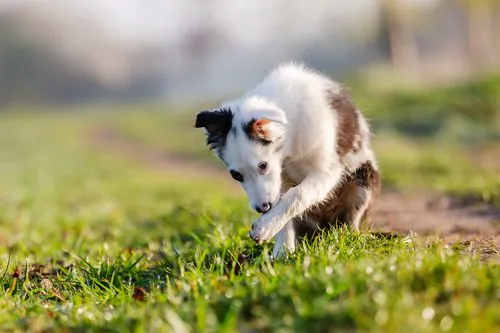 Mixed-breed dog sits in a field licking its paw
Causes of Yeast Infections on Dog Paw Pads
Yeast thrives in warm, damp conditions, making a dog’s paws an ideal breeding ground. Several factors can contribute to the development of these infections:
Moisture and Humidity
Frequent exposure to wet grass, puddles, or excessive paw licking can create an environment where yeast can multiply rapidly.
Allergies
Both food and environmental allergies can lead to itchy, inflamed paws. This constant irritation and subsequent licking can compromise the skin’s natural defenses, allowing yeast to overgrow.
Immune System Imbalance
A compromised immune system makes dogs more susceptible to yeast infections. Chronic illnesses, stress, or prolonged antibiotic use can disrupt the delicate balance of the skin’s natural microflora.
Hormonal Changes
Certain conditions, such as hypothyroidism or Cushing’s disease, can alter hormone levels, creating conditions favorable for yeast proliferation.
Poor Hygiene
Insufficiently cleaned paws can accumulate dirt, bacteria, and fungi, increasing the risk of infection.
Recognizing the Signs of a Paw Pad Yeast Infection
Early detection is key to effective treatment. Watch for these common signs:
- Excessive Licking and Chewing: This is often the most apparent sign as dogs try to alleviate the discomfort. Constant licking can further irritate the skin and exacerbate the infection.
- Redness and Swelling: The paw pads may appear inflamed, red, and swollen due to the irritation caused by the yeast overgrowth.
- Foul Odor: A characteristic musty or “corn chip” smell is a strong indicator of a yeast infection, stemming from the yeast metabolizing on the skin.
- Greasy or Discolored Fur: The fur around the affected paws might feel oily, and a persistent reddish or brownish tint can develop due to constant licking.
- Cracked or Thickened Skin: In more severe or chronic cases, the paw pads can become thick, crusty, or cracked, leading to pain and difficulty walking.
When to Seek Veterinary Care
If you observe any of these symptoms, it’s crucial to consult a veterinarian. Untreated yeast infections can worsen, leading to increased discomfort and secondary bacterial infections. Your veterinarian can accurately diagnose the infection and prescribe a tailored treatment plan. For professional examination and expert advice on your dog’s paw health, contact Animal Family Veterinary Care Center at (563) 391-9522 or book an appointment online.
Veterinary Treatment for Paw Yeast Infections
Effective management of a dog paw yeast infection typically requires veterinary intervention. Treatment options may include:
Medicated Shampoos and Wipes
Antifungal shampoos and medicated wipes containing ingredients like chlorhexidine, ketoconazole, or miconazole are used to reduce yeast overgrowth on the paws.
Topical Ointments
Prescription or over-the-counter antifungal creams can be applied directly to the affected areas to soothe symptoms and inhibit further yeast growth.
Oral Antifungal Medications
For severe infections, veterinarians may prescribe oral antifungal medications to combat the yeast infection systemically.
Allergy Management
If allergies are identified as a contributing factor, your veterinarian might suggest dietary modifications or allergy medications to reduce inflammation and prevent recurring infections.
Regular Paw Cleaning
Maintaining clean and dry paws is vital for preventing yeast infections. Your veterinarian can advise on a specific paw-cleaning regimen to ensure healthy skin.
Preventing Future Paw Yeast Infections
Proactive measures can significantly reduce the likelihood of future yeast infections:
- Thorough Drying: Always dry your dog’s paws completely after walks or playtime, especially in wet conditions.
- Paw Hair Trimming: Keeping the hair around the paw pads trimmed improves airflow and minimizes areas where yeast can accumulate.
- Nutritious Diet: A high-quality, nutrient-rich diet supports a robust immune system, which is essential for fighting off skin infections.
- Regular Veterinary Check-ups: Routine visits allow your veterinarian to monitor your dog’s skin health and detect early signs of yeast overgrowth before they become a significant problem.
A yeast infection on a dog’s paw pads can be a challenging issue for both pets and their owners. However, with early recognition, prompt veterinary care, and consistent preventive measures, your dog can find relief and maintain healthy, comfortable paws. If you suspect your dog has a paw yeast infection, reach out to Animal Family Veterinary Care Center at (563) 391-9522 or book an appointment online for professional assistance.
