
Bringing your canine companion to Great Britain (England, Wales, or Scotland) involves specific health regulations, particularly concerning tapeworm treatment. Compliance with these rules is crucial to ensure a smooth entry for your dog and to avoid potential quarantine. This guide outlines the essential requirements for tapeworm treatment, ensuring your dog meets the necessary health standards for travel.
Understanding the Tapeworm Regulation
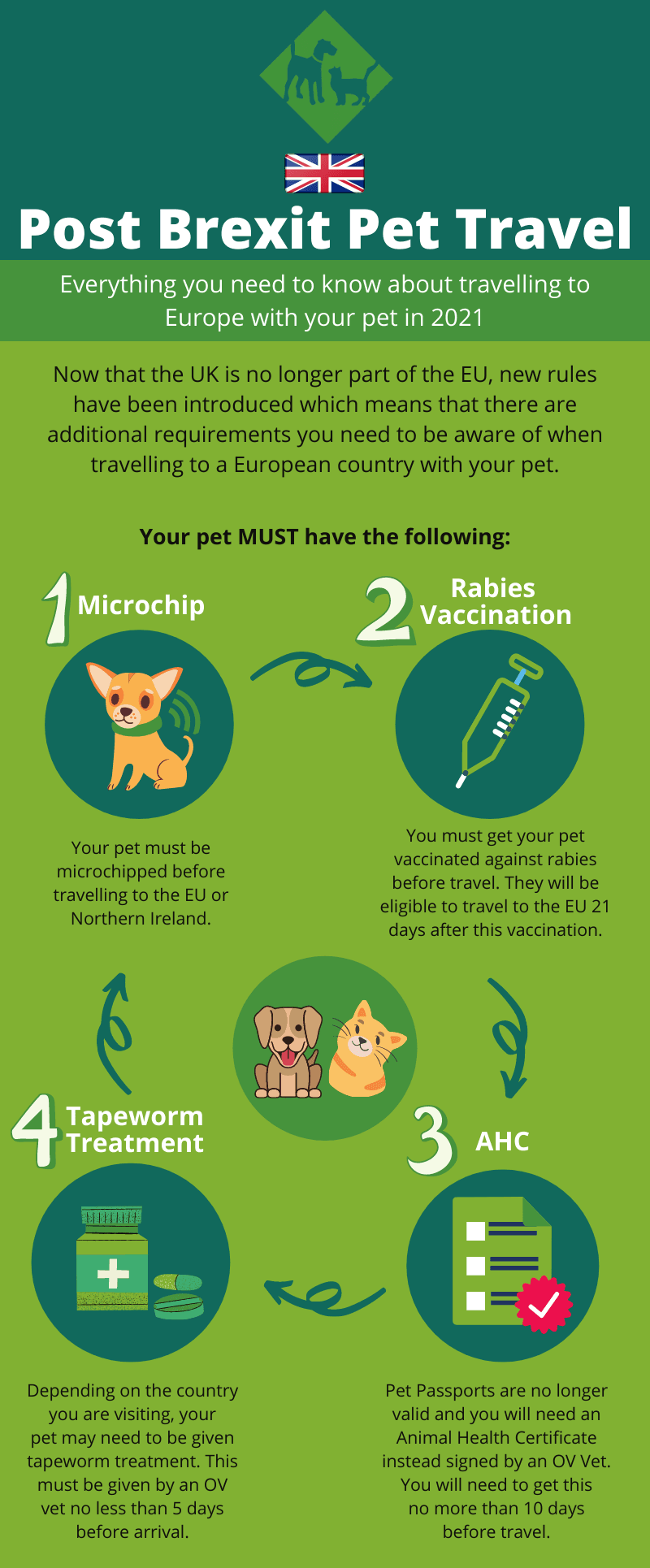
A veterinarian must administer tapeworm treatment to your dog every time you plan to bring it into Great Britain. This treatment must be meticulously recorded in your dog’s pet passport or a valid health certificate. It is important to note that dogs traveling directly to Great Britain from Finland, Ireland, Northern Ireland, Malta, or Norway are exempt from this tapeworm treatment requirement. Failure to adhere to these regulations can result in your dog being refused entry or placed in quarantine.
The tapeworm treatment must meet specific criteria: it needs to be approved for use in the country where it is administered, and it must contain praziquantel or an equivalent substance proven effective against the Echinococcus multilocularis tapeworm.
Essential Information for Your Veterinarian
To ensure proper documentation, confirm that your veterinarian records the following critical details in the ‘Echinococcus treatment’ section of your dog’s pet passport or health certificate:
- The name of the tapeworm treatment product and its manufacturer.
- The exact date and time your dog received the treatment.
- The veterinarian’s official stamp and signature.
Timing of Tapeworm Treatment
The tapeworm treatment must be administered within a precise window:
- A minimum of 24 hours before you enter Great Britain.
- A maximum of 5 days (120 hours) before you enter Great Britain.
Example: If your dog receives tapeworm treatment at 1:00 PM on a Monday, you must arrive in Great Britain no earlier than 1:00 PM the following day (Tuesday). Crucially, you cannot arrive after 1:00 PM on the Saturday of that same week.
Managing Journey Delays
Should your travel plans be unexpectedly delayed, and you arrive in Great Britain more than 5 days (120 hours) after the initial treatment, your dog may require a new tapeworm treatment before entering. It is advisable to consult with your travel company, such as your airline, to understand any specific procedures or requirements in such situations.
Short Trips to and from Great Britain
For owners planning short trips, the regulations have specific provisions:
- Leaving and Returning within 24 Hours: If you are leaving Great Britain and intend to return within a 24-hour period, your dog must receive tapeworm treatment from a veterinarian before you depart.
- Returning within 5 Days: If your return to Great Britain is planned within 5 days of your departure, you also have the option to have your dog treated before leaving.
In both scenarios for short trips, you must ensure that:
- You wait at least 24 hours after the treatment is administered before your dog re-enters Great Britain.
- Your return journey occurs within 5 days (120 hours) of the administered treatment.
If you are uncertain about the optimal timing for the tapeworm treatment, it is highly recommended to seek advice from your veterinarian before embarking on your travel.
Example for Short Trips: Suppose your dog is treated for tapeworm at 1:00 PM on the Monday preceding your travel. You cannot return to Great Britain before 1:00 PM on Tuesday. Moreover, you must complete your return journey before 1:00 PM on the following Saturday. If your travel does not fall within these timeframes, your dog will need to receive another treatment while abroad. For continued protection, consider options for flea tick heartworm prevention for dogs.
It is also a good practice to treat your dog again within 28 days of returning to Great Britain to maintain its health and prevent parasitic infestations. For comprehensive care, explore the best dog medicine for fleas and ticks and cheapest flea tick and heartworm prevention for dogs. Ensuring your dog is up-to-date with preventative treatments is key, and options like a flea and tick prevention pill for dogs can be very effective. Always research the best flea and tick and heartworm medicine for dogs to find the most suitable option for your pet’s needs.
By carefully following these guidelines, you can ensure your dog’s travel to Great Britain is safe, compliant, and stress-free. Always consult your veterinarian for personalized advice regarding your dog’s health and travel requirements.
