
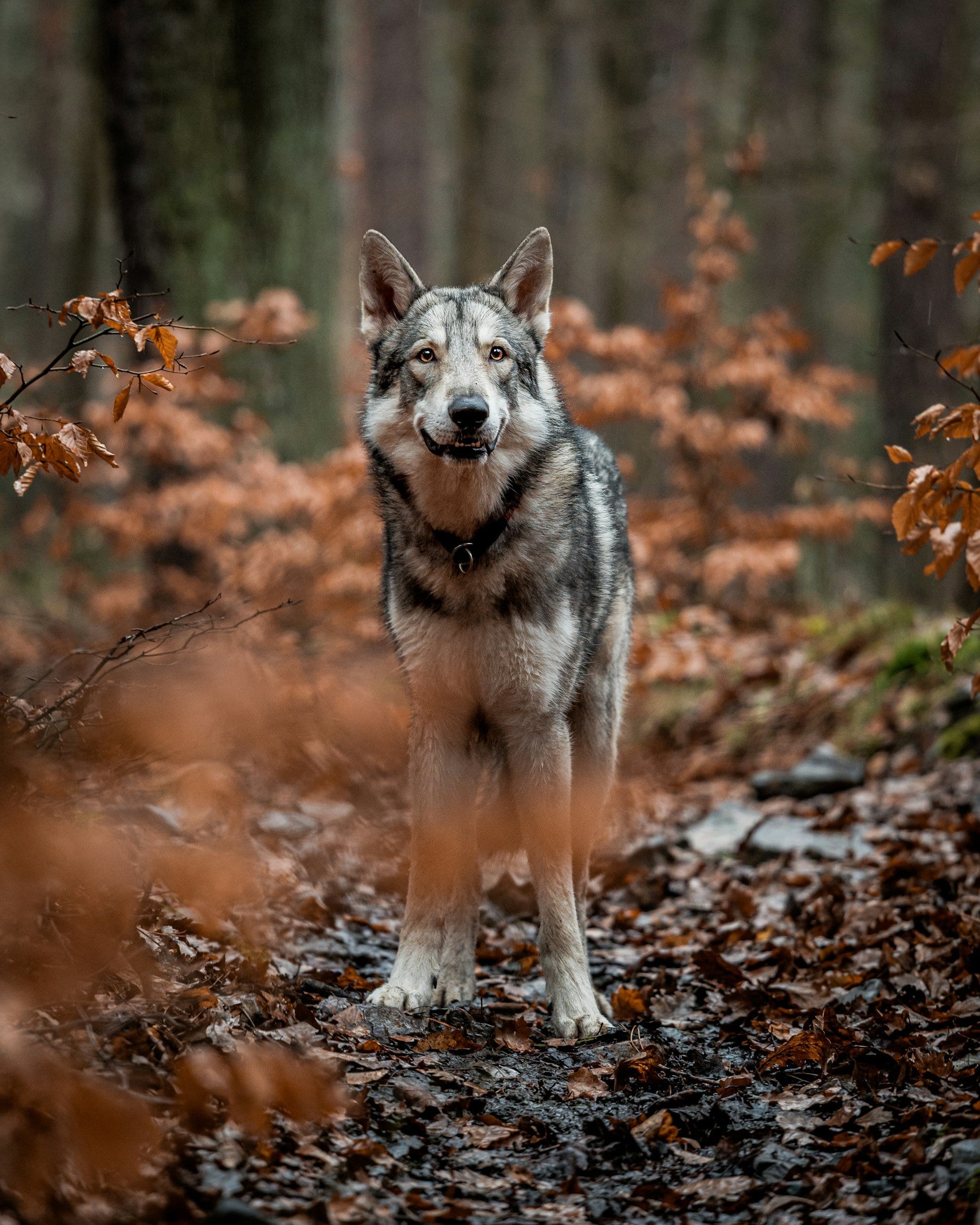
Bringing a wolf dog into your home can be a deeply rewarding experience, but it also comes with unique challenges. These magnificent animals, a mix of domestic dog and wolf, possess instincts and behaviors that differ significantly from purebred dogs. This is why finding specialized training is not just beneficial, but often essential for a harmonious life together. If you’re asking, “Where can I find Wolf Dog Training Near Me?”, you’re already on the right track to understanding and managing your unique companion.
Understanding the Wolf Dog: Beyond Basic Obedience
Before delving into training specifics, it’s crucial to grasp what makes wolf dogs distinct. They are not simply “big dogs” or “wild dogs.” Their heritage imbues them with a complex set of traits:
- Stronger Prey Drive: Their wolf ancestry means a heightened instinct to hunt and chase. This can translate to a higher risk of predatory behavior towards smaller animals.
- Independence and Aloofness: While capable of forming strong bonds, wolf dogs may not exhibit the same level of eager-to-please attitude as many domestic breeds. They often think for themselves.
- Sensitivity to Environment: They can be more sensitive to loud noises, sudden movements, and changes in their surroundings.
- Complex Social Structures: Understanding their pack mentality and how they interact with humans and other dogs is key.
- Escape Artistry: Their intelligence and physical capabilities can make them adept at escaping enclosures, requiring robust and secure containment.
These traits mean that traditional dog training methods may not be as effective, or could even be counterproductive. Specialized knowledge of wolf-dog behavior is paramount.
Why Professional Wolf Dog Training is Crucial
While many skilled dog trainers exist, not all are equipped to handle the nuances of wolf dogs. Seeking out professionals who specifically advertise or have proven experience with wolf dogs, wolf-hybrids, or even challenging primitive breeds is vital. Here’s why:
- Safety: For both the animal and the community, proper training ensures the wolf dog is manageable and predictable in various situations. This includes preventing potential aggression or prey-driven incidents.
- Bonding: A well-trained wolf dog is a happier, more integrated member of the family. Training deepens the connection between you and your pet, fostering mutual trust and understanding.
- Behavioral Issues: Many behavioral problems in wolf dogs stem from a lack of understanding or improper management of their natural instincts. A specialized trainer can help identify the root cause and implement appropriate solutions.
- Legal and Ethical Considerations: In some areas, wolf-dog ownership is regulated. Proper training and socialization can be crucial for compliance and responsible pet ownership.
What to Look for in a Wolf Dog Trainer
When searching for wolf dog training near me, consider these factors to ensure you find a qualified professional:
Experience and Specialization
- Specific Wolf Dog Experience: Have they worked with wolf dogs before? Can they provide references or testimonials from wolf dog owners?
- Understanding of Wolf Behavior: Do they demonstrate a deep knowledge of wolf instincts and how they manifest in hybrids?
- Positive Reinforcement Methods: While some trainers might suggest dominance-based methods, most modern, ethical trainers emphasize positive reinforcement, trust-building, and understanding the animal’s psychology. This is especially important for sensitive wolf-dog temperaments. Avoid trainers who advocate for harsh or punitive techniques.
Training Philosophy and Approach
- Holistic Approach: Do they consider the wolf dog’s environment, diet, and overall well-being, not just obedience commands?
- Focus on Socialization: How do they approach socializing a wolf dog, which can be more challenging than with a typical dog?
- Management Strategies: Do they offer practical advice on managing their unique needs, such as containment, exercise, and enrichment?
- Client Education: A good trainer will educate you, the owner, on why certain behaviors occur and how to manage them effectively long-term.
Certifications and Affiliations
- While not always a prerequisite, certifications from reputable animal behavior organizations can indicate a commitment to professional standards.
- Look for trainers who are members of professional organizations focused on canine behavior or ethology.
Finding Wolf Dog Trainers in Your Area
The search for specialized wolf dog training near me might require a bit more effort than finding a trainer for a Labrador. Here are some strategies:
Online Search and Directories
- Specific Search Terms: Use terms like “wolf dog trainer,” “wolf hybrid training,” “primitive breed trainer,” or “exotic pet trainer” in your search engine.
- Animal Behaviorist Directories: Websites for professional animal behaviorist organizations may list certified professionals who specialize in challenging cases.
- Wolf Dog Rescues and Sanctuaries: Local wolf dog rescues or sanctuaries are invaluable resources. They often have a network of trusted trainers they recommend to adopters.
Breed-Specific Communities and Forums
- Online Wolf Dog Groups: Join online forums or social media groups dedicated to wolf dogs. Members often share recommendations for trainers in their areas.
- Local Breed Clubs: While less common for wolf dogs, if there are any local clubs or advocacy groups, they might have insights.
Consultations and Assessments
- Initial Consultation: Most trainers offer an initial consultation, either in person or by phone. Use this to ask detailed questions about their experience with wolf dogs, their training philosophy, and success rates.
- Trial Session: If possible, consider a single trial session to see how the trainer interacts with your wolf dog and how your dog responds.
Key Training Areas for Wolf Dogs
A good training program for a wolf dog will likely focus on several key areas:
Basic Obedience with a Twist
Commands like “sit,” “stay,” and “come” are still important, but they may need to be reinforced with higher-value rewards and consistent practice. Recall (“come”) is particularly critical given their prey drive and potential for escape. To understand how to train your dog to listen, it’s important to tap into their natural motivations.
Socialization
- Controlled Introductions: Socializing a wolf dog requires careful, gradual introductions to new people, environments, and other animals. Early and positive exposure is key, but it must be managed to prevent overwhelming experiences.
- Preventing Fear-Based Aggression: Uncontrolled or negative socialization experiences can lead to fear-based aggression, which is complex to manage.
Impulse Control and Frustration Tolerance
Wolf dogs can become easily frustrated. Training exercises that build impulse control—like waiting for a release cue before eating or playing—are essential for preventing destructive behaviors or reactivity.
Leash Manners and Containment
Teaching a wolf dog to walk politely on a leash is crucial for safety and enjoyable outings. Equally important is ensuring they are safely contained when not supervised, which might involve specialized fencing or secure enclosures. For those concerned about their dog’s behavior in public or with other animals, exploring options like canine behavior training near me can provide valuable support.
Understanding Dominant Behavior
While the concept of “dominance” in dog training is debated, understanding how wolf dogs establish social order is important. This is especially true if your wolf dog exhibits dominant dog behavior towards other dogs or even family members. A trainer can help you establish clear boundaries and leadership respectfully.
The Journey with Your Wolf Dog
Training a wolf dog is a long-term commitment that requires patience, understanding, and consistency. It’s about building a relationship based on respect and clear communication, acknowledging their unique heritage. When you find the right professional for wolf dog training near me, you’re not just signing up for obedience classes; you’re investing in a lifetime of companionship and mutual understanding. Remember, the goal is to help your wolf dog thrive in your human world, safely and happily.
