
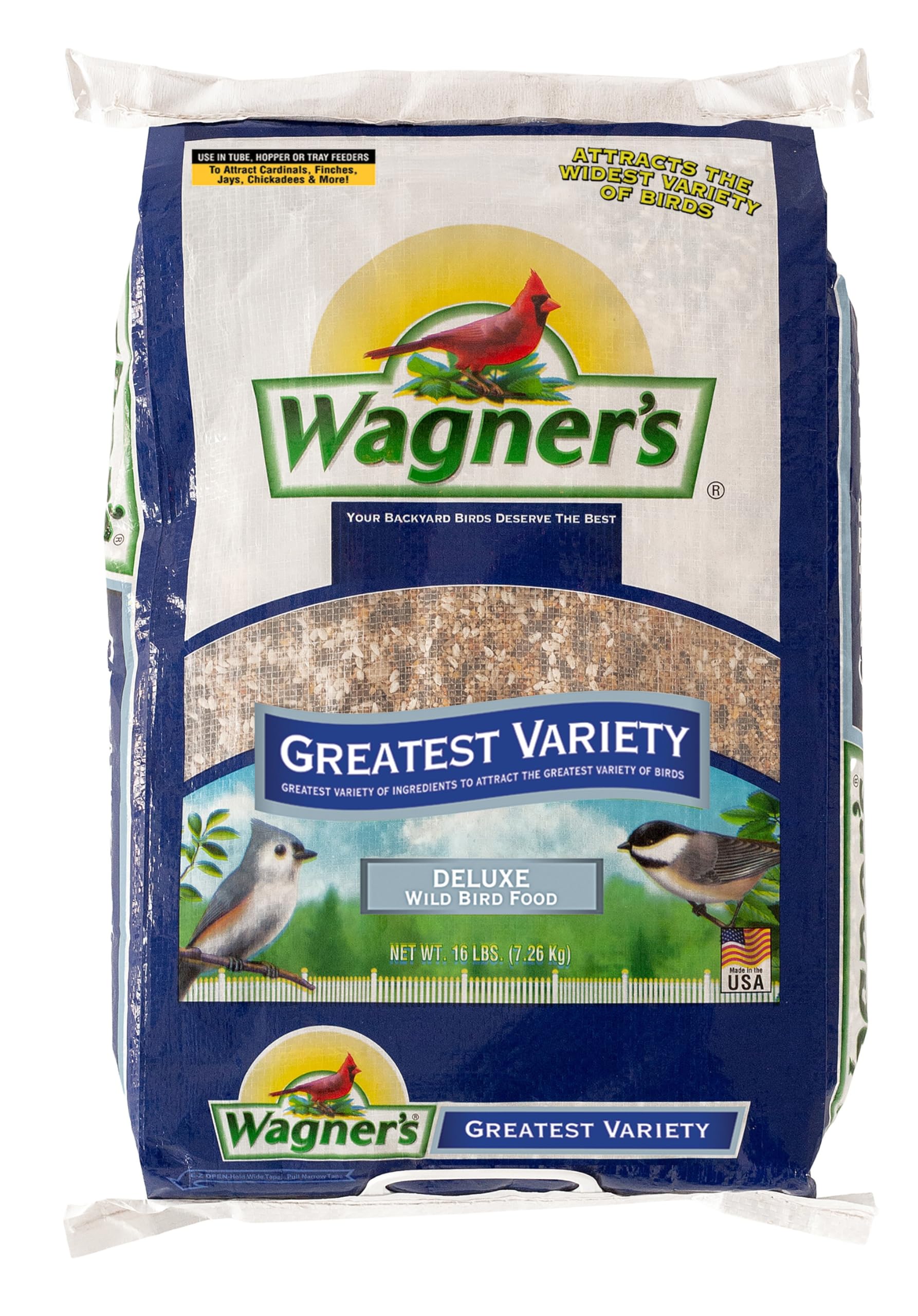
Creating a welcoming oasis for avian visitors in your garden is a rewarding experience, and the key to attracting a diverse range of wild birds lies in choosing the right seed mix. Understanding what makes a quality bird seed mix can ensure your feathered friends receive the nutrition and energy they need to thrive year-round. This guide explores the factors that determine the best seed mixes and highlights some excellent options for your garden.
Understanding the Best Bird Seed Mixes
The ideal wild bird seed mix often depends on several factors, including the specific bird species you wish to attract, local weather conditions, and the time of year. However, certain mixes are widely recognized for their effectiveness in drawing a variety of birds and providing essential nutrients. A good indicator of a quality mix is the inclusion of energy-rich ingredients like sunflower seeds, peanut granules, and suet pellets, combined with a minimal amount of fillers.
Ivel Valley’s Diverse Bird Seed Mix Range
Ivel Valley Bird Food offers a curated selection of premium bird seed mixes, each formulated to cater to different bird preferences and garden needs.
Seed Feeder Mix
This best-selling mix is a proven favorite among bird enthusiasts. It’s packed with a diverse array of nutritious seeds and suet pellets, designed to appeal to all common garden birds, promising a lively aviary just outside your window.
No Grow Seed Mix
For those seeking a tidier feeding solution, the No-Grow Bird Seed Mix is an excellent choice. This nutritious, high-energy blend attracts a wide variety of birds while preventing unwanted plant growth in your garden, ensuring both well-fed feathered friends and a well-maintained outdoor space.
My Robin and Me Mix
Specifically formulated for those who have a special fondness for robins, this mix is bursting with their favorite foods, including fruit, mealworms, and suet pellets, to entice these beautiful birds to your garden.
Finches and Tits Mix
To add a pop of color and charm to your garden, this mix is specially designed to attract various finches and tits, such as bullfinches, greenfinches, goldfinches, chaffinches, siskins, blue tits, great tits, and coal tits.
Ground and Table Mix
This premium blend is ideal for birds that prefer to feed on the ground or from tables, including blackbirds, thrushes, robins, and house sparrows. It offers a nutritious feast that will encourage them to return regularly.
The Original No-Wheat Seed Mix
Providing high-quality nutrition at an affordable price, this carefully crafted mix offers a diverse assortment of seeds designed to attract a wide variety of wild birds without the inclusion of wheat.
Which Birds Enjoy Mixed Seed?
The beauty of mixed bird seed lies in its versatility, catering to the dietary preferences of a broad spectrum of garden birds. From the cheerful chirps of house sparrows to the vibrant plumage of goldfinches, mixed seeds attract a diverse assembly of feathered friends to feeders and tables. Common garden birds that readily consume mixed seeds include blue tits, great tits, greenfinches, chaffinches, dunnocks, robins, blackbirds, and collared doves.
Typical Ingredients in Wild Bird Seed Mixes
Bird seed mixes can vary, but they generally contain a combination of seeds, grains, and suet that appeal to a wide range of bird species. Common ingredients include sunflower hearts, sunflower seeds, peanuts, millet, and suet pellets. Offering mixed seeds can significantly enhance biodiversity in your garden and provide hours of enjoyment for birdwatchers.
Bird Seed Mixes to Avoid
While many seeds are beneficial for birds, it’s important to be aware of those that contain fillers and offer little nutritional value. Fillers are often added to bulk up mixes or reduce costs. Although some may be harmless, others provide minimal sustenance for birds. Common fillers to watch out for and avoid include wheat, dried rice, cracked corn, split peas, beans, and lentils. By selecting mixes rich in quality seeds and suet, you can ensure your garden birds receive the best possible nutrition.
