
Crate training a dog might seem like a controversial topic, but when done correctly, it’s an invaluable tool for both you and your canine companion. It’s not about punishment; it’s about providing a safe, comfortable den-like space for your dog, fostering good behavior, and easing your life as a pet parent. Think of it as teaching your dog to have their own little sanctuary, a place they can retreat to when they need some quiet time or feel overwhelmed. This comprehensive guide will walk you through the essential reasons why crate training is beneficial and how to approach it effectively.
The Foundation: Understanding Your Dog’s Instincts
Dogs are naturally denning animals. In the wild, they would seek out enclosed, safe spaces to sleep, raise their young, and protect themselves from predators. A crate taps into this innate instinct, providing a sense of security and comfort. When you introduce a crate as a positive space, your dog will learn to associate it with safety and relaxation, rather than confinement or punishment. This understanding is the cornerstone of successful crate training and addresses the fundamental needs of your dog.
Key Benefits of Crate Training
There are numerous advantages to incorporating crate training into your dog’s life. These benefits extend beyond simple convenience and contribute significantly to your dog’s overall well-being and your relationship with them.
Promoting House-Training Success
One of the most significant benefits of crate training is its effectiveness in accelerating the house-training process. Dogs are naturally reluctant to soil their sleeping area. By providing a properly sized crate, you leverage this instinct. When you can’t supervise your dog directly, confining them to the crate prevents accidents around the house. This also helps your dog develop bladder and bowel control, as they will signal when they need to go outside rather than soiling their den.
Preventing Destructive Behaviors
Boredom, anxiety, and lack of exercise can lead dogs to destructive chewing, digging, and other undesirable behaviors. A crate can be a lifesaver when you’re away or unable to provide constant supervision. Confined to a safe space with appropriate chew toys, your dog is less likely to chew on furniture, shoes, or electrical cords. This not only saves your belongings but also prevents your dog from ingesting potentially harmful items.
Creating a Safe Haven
For many dogs, especially puppies or those prone to anxiety, the crate serves as a secure den. It offers a predictable and safe retreat when the household is busy or noisy, or when they are feeling overwhelmed. This sense of security can be particularly helpful during thunderstorms, fireworks, or other stressful events. Providing this safe space helps reduce anxiety and builds your dog’s confidence.
Facilitating Travel and Boarding
A crate-trained dog is much easier to travel with. Whether you’re taking a road trip or flying, a familiar crate provides a sense of normalcy and security in new environments. It also makes boarding or doggy daycare stays less stressful, as the facility can use their established crate. Many professional trainers recommend this, as it ensures your dog has a consistent space in an unfamiliar setting.
Establishing a Routine
Crate training inherently helps establish a predictable routine for your dog. Knowing when they will be in their crate, when they will have potty breaks, and when they will get exercise provides structure to their day. This routine is crucial for a dog’s emotional well-being and helps prevent anxiety and behavioral issues stemming from uncertainty.
Assisting with Recovery from Surgery or Injury
If your dog needs to be confined for medical reasons, such as recovering from surgery or an injury, a crate is essential. It limits their movement, preventing them from re-injuring themselves and ensuring proper healing. This controlled environment is critical for a smooth recovery process.
How to Introduce the Crate Positively
The key to successful crate training lies in making the experience positive for your dog. Avoid using the crate as punishment, as this will create negative associations.
Choosing the Right Crate
Select a crate that is appropriately sized for your dog. They should be able to stand up, turn around, and lie down comfortably. If you have a puppy, you can use a divider to adjust the size as they grow, ensuring the crate remains their den and not a large space where they might designate a potty area.
Making it Inviting
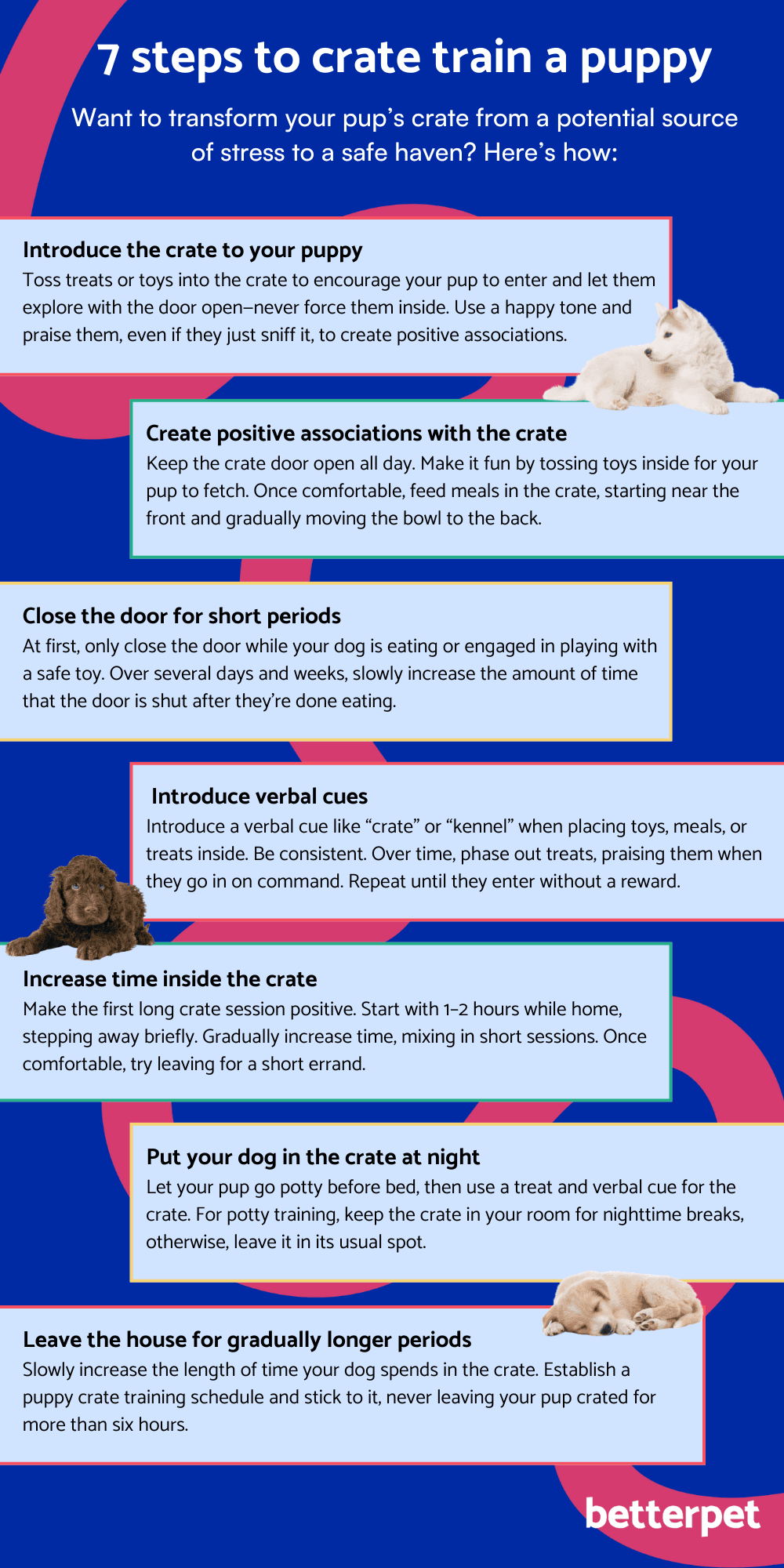
Make the crate a comfortable and appealing place. Add soft bedding, a favorite toy, or a safe chew. You can even feed your dog their meals inside the crate, gradually moving the food bowl further back as they become more comfortable. This associates the crate with positive experiences like eating.
Gradual Introduction
Start by leaving the crate door open and allowing your dog to explore it on their own. Reward them with treats and praise for showing interest or entering the crate. Once they are comfortable going inside, begin closing the door for short periods while you are present, gradually increasing the duration. Always ensure you are there to let them out before they become distressed.
Consistency is Key
Crate training requires patience and consistency. Stick to a regular schedule for potty breaks, feeding, and crate time. Never force your dog into the crate. If they show resistance, go back a step and make the experience more positive.
Common Challenges and Solutions
- Whining or Barking: This is common, especially in the beginning. Ensure the crate is comfortable, not too small, and that your dog has had sufficient exercise. Ignore the whining if it’s attention-seeking, but if it persists and your dog seems genuinely distressed, let them out and try again later.
- Refusal to Enter: Make the crate more enticing with high-value treats and toys. Toss treats into the crate and praise your dog for retrieving them.
- Accidents in the Crate: This usually indicates the crate is too large, the dog was left in too long, or they have a medical issue. Ensure the crate is the right size and that you’re taking your dog out frequently enough. Clean any accidents thoroughly with an enzymatic cleaner to eliminate odors.
Conclusion: A Story of Trust and Security
Crate training is a powerful tool that, when implemented with patience and positivity, significantly enhances a dog’s quality of life and strengthens the bond between dog and owner. It addresses fundamental canine instincts, promotes good behavior, and provides a secure environment. By understanding why crate train a dog and committing to a gentle, consistent approach, you are investing in a happier, more well-adjusted companion and a more harmonious home. This journey builds trust and ensures your dog always has a safe space to call their own.
