
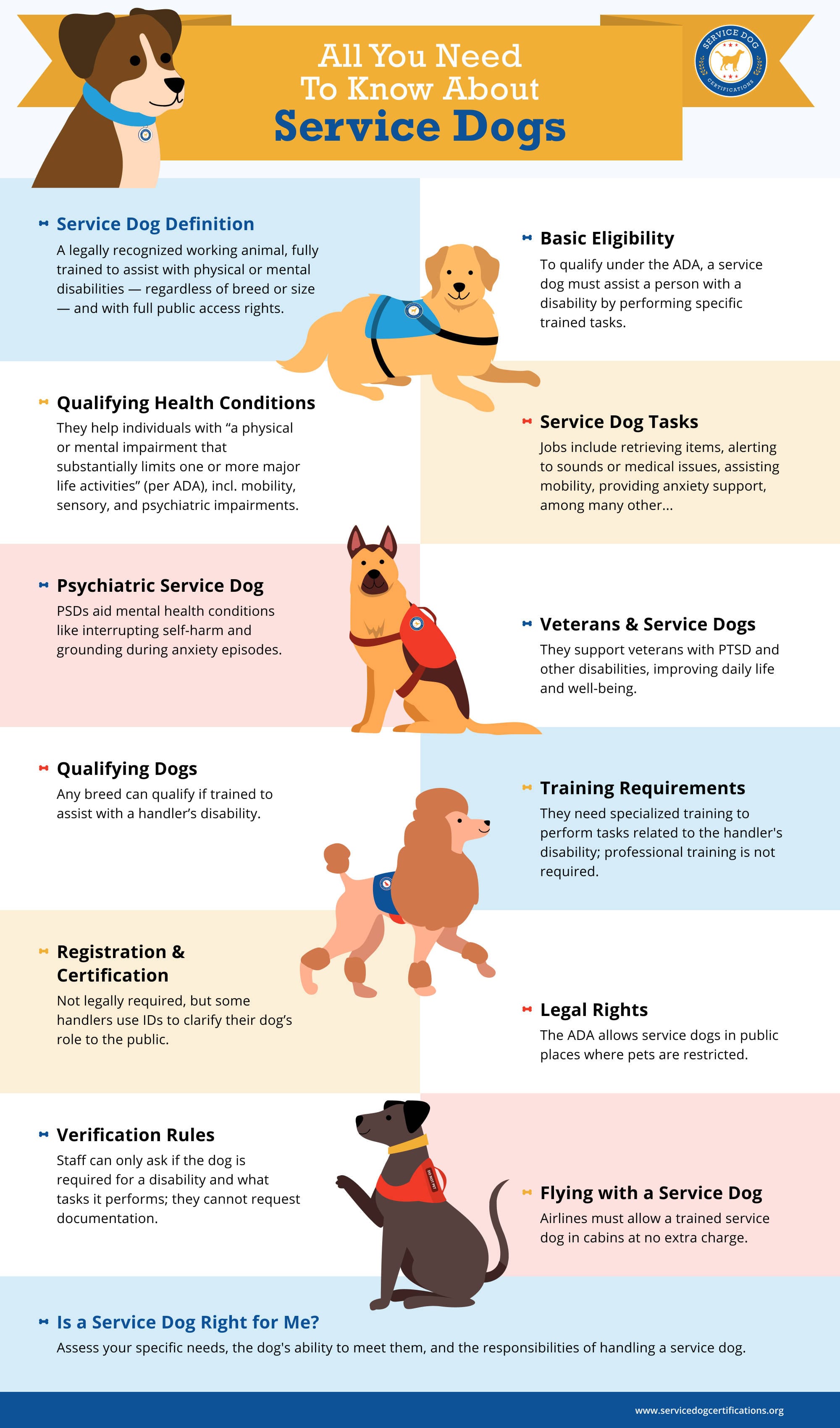
Finding a properly trained service dog is a life-changing journey for many individuals with disabilities. It’s a path that promises greater independence, but it’s also one filled with questions and complexities. If you’re wondering Where To Get A Trained Service Dog, you’re taking the first critical step toward a unique partnership. This guide will walk you through the reputable avenues, what to expect during the process, and how to avoid potential scams, ensuring your journey is as smooth as possible.
The search for a qualified service animal is more than just finding a pet; it’s about finding a meticulously trained partner matched to your specific needs. The most common and trusted sources are non-profit organizations, many of which are accredited by governing bodies that uphold the highest standards. Understanding how to get a service dog trained is a complex topic, but acquiring one that is already trained involves a different, yet equally detailed, process.
Understanding What a Service Dog Truly Is
Before diving into where to find one, it’s essential to understand the definition of a service dog. According to the Americans with Disabilities Act (ADA), a service dog is individually trained to do work or perform tasks for a person with a disability. This is a crucial distinction. These are not emotional support animals or therapy dogs; their training is specific, intensive, and task-oriented, enabling their handler to navigate the world with more freedom.
These tasks can range from guiding a person who is visually impaired and alerting someone who is deaf to pulling a wheelchair or reminding a person to take their medication. This high level of training is why finding the right source for your service dog is paramount.
Key Pathways to Getting a Trained Service Dog
There are three primary routes to obtaining a trained service dog. Each has its own process, timeline, and cost structure.
Non-Profit Organizations
This is the most well-known and highly recommended path. Reputable non-profit organizations breed, raise, and train service dogs specifically for individuals with disabilities.
- The Gold Standard: Look for organizations accredited by Assistance Dogs International (ADI). ADI is a worldwide coalition that sets and promotes the highest standards for assistance dog programs. Accreditation ensures the organization meets rigorous criteria for training, dog welfare, and client support.
- Cost: Many non-profits provide service dogs to qualified individuals free of charge or for a small application fee. Some may require clients to participate in fundraising efforts to help cover the immense cost of training, which can exceed $20,000.
- Waitlist: The biggest challenge with non-profits is the high demand. Waitlists can range from several months to a few years.
Private Trainers and For-Profit Businesses
Another option is to work with a private professional trainer or a for-profit company that specializes in service dogs.
- Pros: This route can sometimes have a shorter waiting period than non-profits. It may also offer more customization in the training process, tailored precisely to your unique needs from the start.
- Cons: The primary drawback is the cost. Acquiring a fully trained service dog from a private source can be expensive, often ranging from $15,000 to $50,000 or more.
- Vetting is Crucial: Unlike the non-profit world, the for-profit sector is less regulated. It is vital to do extensive research, check references, and verify the trainer’s credentials and training methodologies. Positive reinforcement techniques should be the standard.
Owner-Training Programs
While this guide focuses on finding an already trained dog, it’s worth noting the third path: owner-training. This involves acquiring a suitable dog yourself and working with a professional trainer to guide you through the entire training process. This is an intensive, long-term commitment. For those exploring this avenue, understanding where can i get my dog service trained is a crucial first step in finding the right professional guidance.
How to Find and Vet Reputable Organizations
Your due diligence is the most important part of this process. A trustworthy organization will be transparent, supportive, and focused on the well-being of both you and the dog.
“The ideal service dog organization sees the placement as the beginning of a lifelong relationship, not the end of a transaction,” states Dr. Eleanor Vance, a leading expert in canine behavioral science. “They provide ongoing support to ensure the partnership thrives for years to come.”
Here are key things to look for:
- Accreditation: Prioritize organizations accredited by Assistance Dogs International (ADI).
- Transparency: The organization should be open about its training methods, the health and temperament of its dogs, and its post-placement support.
- Training Methods: They should use positive reinforcement training. Avoid any program that uses punitive or dominance-based techniques.
- Post-Placement Support: A reputable organization will offer follow-up support to help you and your new partner adjust and to address any challenges that arise.
- Health and Temperament Screening: Ask about how they screen their dogs for health issues and for the temperament necessary to be a reliable service animal.
The Application Process: What to Expect
The journey to being matched with a service dog is thorough, ensuring the best possible partnership. While each organization has a unique process, the steps generally include:
- Initial Inquiry & Application: You’ll start by filling out a detailed application, which covers your disability, daily life, and what tasks you need a service dog to perform.
- Medical Documentation: You will likely need to provide documentation from your healthcare provider confirming your disability and supporting the need for a service dog.
- Interviews: The organization will conduct interviews (via phone, video, or in-person) to get to know you better.
- Home Visit: Some organizations may conduct a home visit to understand your living environment.
- Matching: Once accepted, the organization will begin the careful process of matching you with a dog whose skills, energy level, and temperament are a perfect fit for your needs and personality.
- Team Training: After being matched, you will attend an intensive, multi-week training camp at the organization’s facility. This is where you and your dog learn to work together as a seamless team.
Red Flags: How to Avoid Scams and Puppy Mills
Unfortunately, the high demand for service dogs has led to scams. Be wary of any person or organization that:
- Guarantees Immediate Availability: Reputable programs have waiting lists for a reason.
- Lacks Transparency: They are vague about their training methods or where their dogs come from.
- Asks for Full Payment Upfront: Especially via wire transfer or cash, with no contract.
- Offers “Certification” for a Fee: There is no legally recognized national or federal certification for service dogs in the United States. Registration is not required by the ADA.
- Provides No Post-Placement Support: A good program is invested in your long-term success.
The challenges of housebreaking are universal for dog owners, but it is a foundational skill that must be perfect in a service animal. If you have an existing pet, success in areas like potty training an adult dog can give you a small glimpse into the patience and consistency required in all aspects of advanced dog training.
Frequently Asked Questions (FAQ)
How long is the waitlist for a trained service dog?
Wait times can vary significantly depending on the organization and the specific needs of the applicant. It is common to wait anywhere from 1 to 5 years. This is due to the time and resources it takes to breed, raise, and train a dog to the highest standards.
Can any dog breed be a service dog?
While Labradors, Golden Retrievers, and German Shepherds are the most common breeds used, any dog can be a service dog regardless of breed. The critical factors are the dog’s individual temperament, health, and trainability to perform specific tasks for a person with a disability.
What is the difference between a service dog and a therapy dog?
A service dog is trained to perform specific tasks for one person with a disability and is legally granted public access rights under the ADA. A therapy dog provides comfort to many people in settings like hospitals or nursing homes and does not have the same public access rights.
Do I need to “certify” my service dog?
No, the ADA does not require service animals to be certified or registered. Organizations that sell service dog certifications or registrations are not legitimate. A service dog is legally defined by its specialized training to perform tasks for a person with a disability.
Is it expensive to get a service dog?
It can be. While many non-profits provide dogs at little to no cost, the actual cost to raise and train one is substantial ($20,000-$60,000). For-profit programs will pass this cost directly to the client. Be sure to explore fundraising options and grants.
Your Partner in Independence
The journey to find a trained service dog is a marathon, not a sprint. It requires patience, thorough research, and a deep commitment to the process. By focusing on accredited non-profits and carefully vetting any potential source, you can confidently find a legitimate, expertly trained canine partner. This remarkable animal will not only perform tasks to mitigate your disability but will also offer an unparalleled bond, empowering you to live a more independent and enriched life. Your quest for where to get a trained service dog is the first step toward this incredible partnership.
