
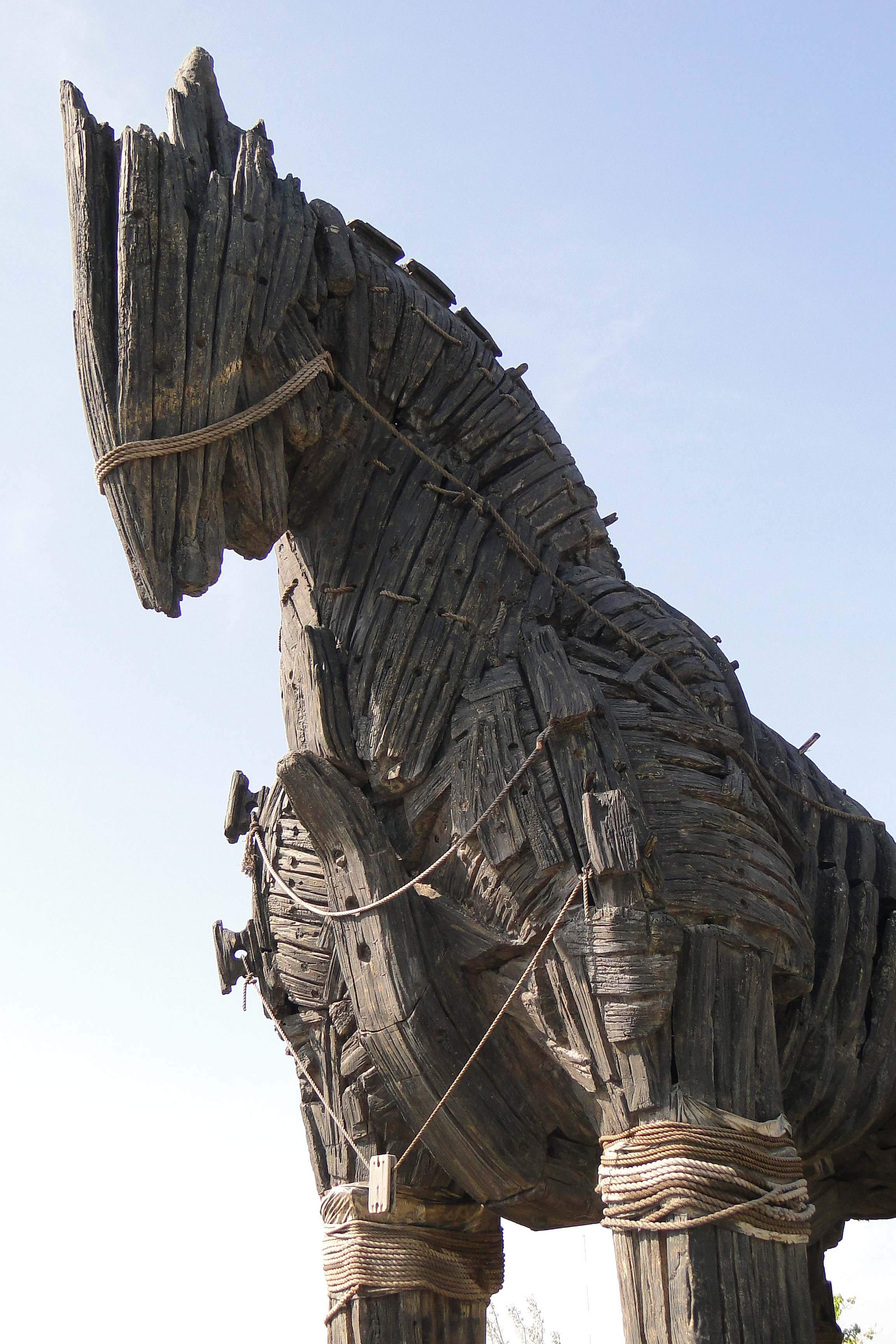
The epic tale of the Trojan Horse, a clever ruse that led to the fall of Troy, has captivated audiences for centuries. But where exactly can you find this timeless story? Its origins are rooted in ancient Greek literature, primarily within the grand narratives that explored the heroes and events of the Trojan War.
The most definitive and influential tellings of the Trojan Horse story come from two of the most celebrated works of Western literature. These foundational texts not only chronicle the events but also imbue them with mythic significance, exploring themes of fate, honor, and the consequences of war.
Homer’s Odyssey: A Glimpse of the Aftermath
While Homer’s Iliad famously details the battles and tragic events of the Trojan War itself, it is in his other epic, the Odyssey, that we get a direct account of the Trojan Horse and its aftermath. The Odyssey primarily follows the arduous journey of Odysseus, the mastermind behind the wooden horse, as he tries to return home after the war.
In Book VIII of the Odyssey, the Phaeacian bard Demodocus sings a song about the deeds of heroes, including the story of the Trojan Horse. This is presented as a tale within a tale, recounted to Odysseus himself, who is moved to tears by the recollection of his comrades and the events of Troy. This section provides a vivid description of how Odysseus and his men hid inside the horse, tricking the Trojans into bringing it within their city walls. The song details the Greeks emerging from the horse under the cover of darkness to open the gates for their returning army, leading to the destruction of Troy. This is often considered the earliest surviving detailed narrative of the wooden horse stratagem.
Virgil’s Aeneid: A More Detailed Account
Centuries later, the Roman poet Virgil offered another monumental retelling of the Trojan War’s final days in his epic poem, the Aeneid. Commissioned by Emperor Augustus, the Aeneid sought to legitimize Roman rule by linking it to the heroic past of Troy. Virgil’s account, found primarily in Book II, provides perhaps the most dramatic and emotionally charged narrative of the Trojan Horse.
Virgil’s Aeneid presents the story from the perspective of the Trojan hero Aeneas, who is fleeing the burning city. He recounts the events with a sense of profound loss and disillusionment. In his telling, the Trojans are initially divided about the massive wooden horse left on the beach by the seemingly departed Greek forces. While some, like Laocoön, famously warned, “Beware of Greeks bearing gifts,” their pleas were tragically ignored. Virgil describes the horse as a sinister, hollow structure, bristling with armed Greeks waiting for the opportune moment. The narrative vividly details the horrors of Troy’s final night, with the Greeks emerging from the horse, setting fire to the city, and slaughtering its inhabitants. Virgil’s account emphasizes the divine machinations and the tragic inevitability of Troy’s fate.
Other Ancient Sources and Retellings
While Homer and Virgil provide the most comprehensive ancient narratives, the story of the Trojan Horse was a well-known element of Greek and Roman mythology and was referenced or alluded to in various other ancient texts. These include:
- Greek Tragedies: Several lost plays by Greek tragedians, such as those by Euripides, likely featured the events surrounding the Trojan Horse, though only fragments and summaries survive.
- Later Mythographers: Writers like Apollodorus in his Bibliotheca compiled and systematized Greek myths, often including condensed versions of the Trojan Horse story.
The Enduring Legacy of the Trojan Horse
The story of the Trojan Horse has transcended its ancient origins to become a powerful metaphor and a common reference in modern culture. Its themes of deception, strategy, and the unexpected downfall of seemingly invincible defenses resonate across various contexts.
From military strategy to cybersecurity, the concept of a “Trojan Horse” represents a deceptive tactic where a seemingly harmless entity conceals a dangerous payload. This enduring relevance ensures that the tale, first told in the epic verses of ancient poets, continues to be recounted and reinterpreted in countless ways today, demonstrating the lasting power of this foundational myth. Understanding where this story is told not only leads us to classical literature but also highlights its profound impact on our modern understanding of strategy and deception.
