
Walking your dog politely on a leash might seem like an instinctive behavior, but it’s a vital skill that requires dedicated training and patience. Starting early can set your puppy up for a lifetime of enjoyable walks and a strong bond with you. Understanding When To Start Leash Training Your Puppy is crucial for building good habits from the outset and avoiding common behavioral issues that can develop if training is delayed. This guide will help you navigate the process, ensuring your furry friend becomes a confident and well-behaved walking companion. Learning [how to get a puppy to go on a walk](https://dogcarestory.com/how-to-get-a-puppy-to-go-on-a-walk/) successfully begins with solid foundational training.
The Ideal Age to Begin Leash Training Your Puppy
The best time to introduce your puppy to leash training is during their crucial socialization period, typically between 8 and 16 weeks of age. At this stage, puppies are highly impressionable and eager to learn new things. Early exposure helps them adapt quickly to new experiences, sights, sounds, and sensations, making the leash and collar a natural part of their world rather than something to fear or resist. Starting young fosters positive associations and helps prevent pulling, lunging, and barking issues before they become ingrained habits. Waiting too long can make the training process more challenging as puppies develop stronger personalities and established behaviors that are harder to modify.
Setting the Foundation for Successful Leash Training
Establishing a strong foundation is key to any successful training regimen, especially when teaching your puppy to walk on a leash. This process involves several gradual steps designed to make the experience positive and rewarding for your puppy. Consistency and patience are your best tools during this phase, helping your puppy understand expectations and build confidence.
Introducing the Collar, Harness, and Leash
Begin by familiarizing your puppy with wearing a collar or harness and a leash. Allow them to wear these items for short durations inside the house during playtime or treat sessions. The goal is to create a positive association, so your puppy perceives collar-and-leash time as fun and rewarding. Never force the gear on them or leave it on unsupervised initially. Let them sniff, get comfortable, and associate it with good things like tasty treats and engaging play.
Teaching a “Follow Me” Cue
Introduce a clear sound cue that signals a reward is coming. Many trainers use a clicker, while others prefer a simple word like “yes” or a distinct tongue cluck. In a quiet, distraction-free environment, with your puppy wearing their collar and leash, make your chosen sound. The instant your puppy looks at or turns towards you, reward them with a small, high-value treat. Repeat this several times. Soon, your puppy will not only look at you but also begin moving towards you in anticipation of the reward. This teaches them to pay attention to you, which is fundamental for good leash manners.
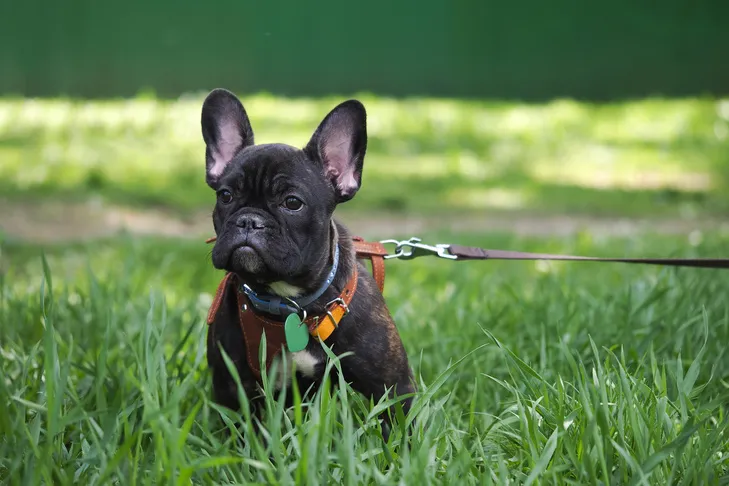 A small puppy wearing a blue harness sits attentively on a leash in lush green grass.
Encouraging Your Puppy to Come to You
Once your puppy understands the cue, start encouraging them to move with you. While they are still on their way to you after hearing the cue, take a few steps backward. Reward them enthusiastically when they reach you. Gradually increase the number of steps you take backward, so your puppy learns to follow you for a few paces upon hearing the cue noise. Remember that young puppies have short attention spans. Keep training sessions brief (5-10 minutes) and always end on a positive note, before your puppy becomes mentally fatigued or loses interest. This ensures they remain eager for the next session.
Practicing Indoors
With your puppy now understanding [how to train puppy to run with you](https://dogcarestory.com/how-to-train-puppy-to-run-with-you/) indoors, transition to practicing walking a few steps in a room with minimal distractions. The sensation of the leash and collar, combined with the slight restriction, will be enough of a challenge initially. Continue to offer treats and verbal praise as your puppy learns to walk alongside you while wearing the leash. This controlled environment builds their confidence before encountering the complexities of the outside world.
Venturing Outside
Finally, you are ready to test your puppy’s budding skills in the great outdoors. This step introduces a new level of complexity due to the myriad of sounds, smells, and sights that will naturally intrigue your puppy. Be patient and keep these first outdoor walks very short. During your walk, maintain constant vigilance over your puppy. If you notice them about to lunge towards something or become overly distracted, make your cue sound and take a few steps away to redirect their attention. Reward them promptly with a treat for following you. Consider exploring options for the [best leash for training a dog to walk](https://dogcarestory.com/best-leash-for-training-a-dog-to-walk/) to ensure maximum comfort and control during these crucial outdoor sessions.
 A sleepy Basset Hound puppy sits calmly on a leash in a field of green grass.
Common Leash Training Challenges and Solutions
Even with a solid foundation, puppies can encounter issues as they grow, explore new environments, and face novel distractions. Learning to walk on a loose leash is beneficial for both you and your dog, promoting a more pleasant experience and enabling them to pass tests like the Canine Good Citizen. Here are some tips for troubleshooting common leash training problems.
Managing a Puppy That Pulls
If your puppy begins to pull aggressively in a direction opposite to where you want to go, employ the “be a tree” method. Stand completely still and refuse to move until your dog returns to your side or slackens the leash. Avoid yanking or jerking the leash, as this can be harmful and counterproductive. Instead, calmly wait for them to relieve the tension, then praise and reward before continuing. For persistent pullers, tools like [front-hook harnesses](https://chewy.sjv.io/Z6gqEg) or [head halters](https://chewy.sjv.io/Bn4BkW) can provide better control without causing discomfort. Understanding [how to get your dog stop jumping](https://dogcarestory.com/how-to-get-your-dog-stop-jumping/) can also offer insights into managing other impulse control issues during walks.
Addressing Lunging Behavior
When your dog attempts to lunge at another dog, a car, or a skateboarder during a walk, being proactive is key. Anticipate potential triggers and try to redirect their attention with a treat before they have the chance to lunge. Increase the physical distance between your dog and the perceived threat or exciting target. Stay alert and be prepared to intervene before the object of their frustration or excitement gets too close. While this behavior might be more common in certain breeds, such as herding dogs, any puppy can be startled or overstimulated by unfamiliar sights or sounds.
Dealing with Excessive Barking on Walks
Some dogs develop a habit of barking excessively at other dogs or passersby during walks. Often, this behavior stems from a lack of sufficient mental and physical stimulation. Ensure your puppy receives the appropriate amount of exercise and enrichment for their age and breed. If barking remains a problem, apply a similar proactive strategy as you would for lunging. Create distance from the trigger and offer treats before they start to bark. Each time they see another dog and choose to focus on you instead, reward them. Over time, they will learn to associate the presence of other dogs with receiving a treat and turning their attention to you. It’s also important to ensure their living environment, like their [crate](https://dogcarestory.com/my-dog-escapes-her-crate/), is a secure and positive space, as overall comfort contributes to better behavior.
Conclusion
Mastering leash training is one of the most rewarding aspects of puppy ownership, offering a lifetime of shared adventures and strengthening the bond between you and your dog. By understanding when to start leash training your puppy – ideally during their early socialization period – and implementing consistent, positive reinforcement methods, you can guide your puppy to become a confident and well-behaved walking companion. Remember to be patient, keep training sessions short and positive, and proactively address any challenges that arise. With dedication, you’ll soon enjoy peaceful and enjoyable walks with your furry friend, reinforcing the idea that a well-trained dog is a happy dog.
