
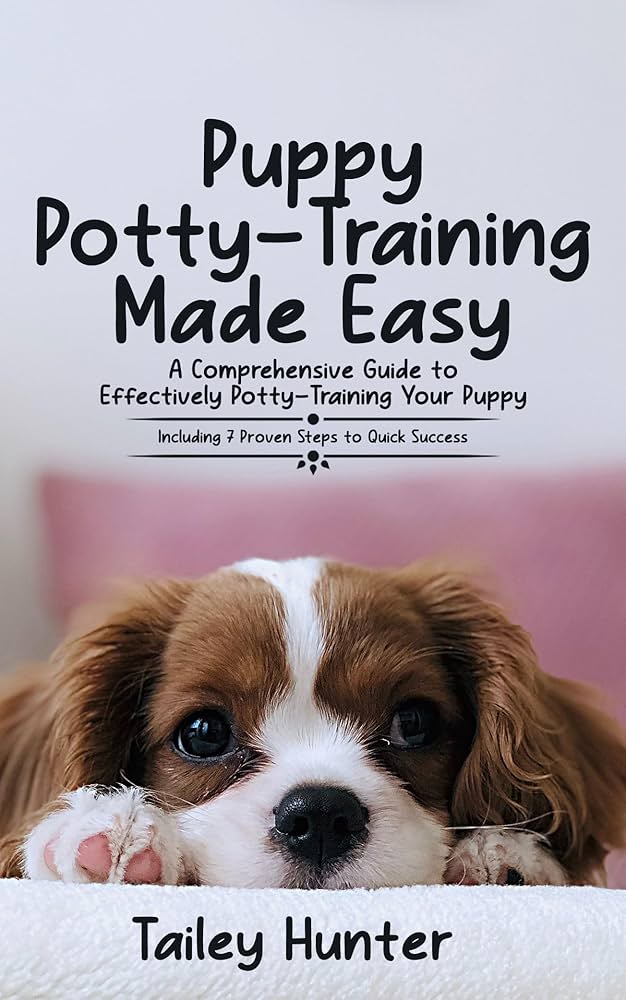
Potty training your new canine companion is an exciting, and sometimes messy, milestone in dog ownership. The question on many new pet parents’ minds is, “When Should My Dog Be Potty Trained?” While there’s no single magic age that applies to every dog, understanding the developmental stages and implementing consistent training methods are key to success. Generally, the process can begin when puppies are around 12 weeks old, but the timeline can vary significantly based on breed, individual development, and the owner’s approach. Patience, positive reinforcement, and a predictable routine are your best allies in this journey.
Understanding Puppy Development and Potty Training Readiness
Puppies, much like human babies, need time to develop the physical and cognitive abilities necessary for successful potty training. Their bladders and bowels aren’t fully developed at birth, meaning they have little to no control initially.
The Critical Age Window
Most puppies begin to develop bladder and bowel control between 8 to 12 weeks of age. This is often when owners can start actively house-training them. Before this period, their attempts at holding it are largely involuntary. Trying to force potty training too early can lead to frustration for both you and your puppy, and may even set back the training process.
Factors Influencing Readiness
- Breed Size: Smaller breeds tend to have smaller bladders and less muscle control, which can sometimes mean a longer potty training period. Larger breeds may develop control slightly faster.
- Individual Temperament: Some puppies are naturally more eager to please and quicker to learn, while others may be more independent or easily distracted.
- Previous Environment: Puppies coming from environments where they were expected to eliminate in their living space (like some puppy mills or shelters) may take longer to unlearn those habits.
Starting the Potty Training Process: The Fundamentals
Once you notice signs that your puppy might be ready – such as starting to whine or pace before eliminating, or showing an interest in going outside – you can begin a structured potty training routine. Consistency is paramount.
Establishing a Predictable Schedule
A consistent schedule helps your puppy learn when to expect potty breaks. Take your puppy out:
- First thing in the morning.
- After waking up from naps.
- After playing.
- After eating or drinking.
- Shortly before bedtime.
The frequency of these breaks will decrease as your puppy matures and gains better control. A general rule of thumb is that puppies can typically hold their bladder for their age in months, plus one, for one hour. For example, a 3-month-old puppy might be able to hold it for about 4 hours.
Choosing a Designated Potty Spot
Select a specific area in your yard for your dog to eliminate. Taking them to the same spot each time helps them associate that location with potty breaks. When they successfully go, offer immediate praise and a high-value treat. This positive reinforcement is crucial for them to understand what you want.
Recognizing the Signs
Learn to recognize your puppy’s signals that they need to go. These often include:
- Circling.
- Sniffing the ground intently.
- Whining or barking.
- Pacing.
- Suddenly stopping play.
If you catch your puppy in the act indoors, interrupt them with a gentle sound (like a clap), immediately pick them up, and take them outside to their designated spot. If they finish outside, praise them enthusiastically.
What to Do When Accidents Happen
Accidents are an inevitable part of potty training. The key is to handle them calmly and correctly.
The Importance of Positive Reinforcement
Reward desired behavior lavishly. When your dog eliminates in the correct spot, shower them with praise, petting, and a small, tasty treat. Make it a big, happy event! This positive association is far more effective than any form of punishment.
Handling Accidents Indoors
- Never punish your dog for an accident after the fact. They won’t understand why they’re being punished, and it can lead to fear and anxiety, potentially causing them to hide when they need to go.
- If you catch them in the act, interrupt with a sharp, but not scary, sound and rush them outside.
- Clean up accidents thoroughly with an enzymatic cleaner. These cleaners break down the biological waste and eliminate odors that might attract your dog back to the same spot. Regular household cleaners may not fully remove the scent, leading to repeat offenses.
Advanced Potty Training Tips and Considerations
As your dog progresses, you might encounter specific challenges or want to refine the training process.
Crate Training for Potty Training Success
Crate training can be an invaluable tool in potty training. Dogs are naturally clean animals and are reluctant to soil their sleeping area. A crate, when used correctly, can help prevent accidents when you can’t directly supervise your dog.
- Size Matters: The crate should be just large enough for your dog to stand up, turn around, and lie down comfortably. If it’s too large, they might use one end as a toilet.
- Gradual Introduction: Make the crate a positive place with treats and toys. Never use it as punishment.
- Supervision is Still Key: Ensure your dog is taken out frequently, especially after waking up from crate naps.
Dealing with Specific Challenges
- Nighttime Potty Training: Until your puppy is about 4-6 months old, they may not be able to hold it through the night. You might need to set alarms for middle-of-the-night potty breaks initially. As they mature, these will become less frequent.
- Submissive or Excitement Urination: Some dogs may urinate when excited, fearful, or during greetings. This is not a lack of control but a behavioral response. It requires patience and desensitization techniques, often involving consulting a professional trainer.
- Regression: It’s common for dogs to have a period of regression, especially during adolescence (around 5-8 months). This is usually temporary and can be managed by reverting to a stricter routine.
When to Seek Professional Help
If you’ve been consistently training for several months and are still struggling with frequent accidents, or if your dog exhibits sudden changes in potty habits, it’s essential to consult a veterinarian. Underlying medical issues like urinary tract infections, kidney problems, or diabetes can cause incontinence. If medical issues are ruled out, a certified professional dog trainer or a veterinary behaviorist can provide personalized guidance.
The Role of Diet and Hydration
What you feed your dog and when they drink can impact their potty training progress.
Consistency in Feeding Times
Establish consistent feeding times. Dogs typically need to eliminate about 15-30 minutes after eating or drinking. By sticking to a schedule, you can better anticipate when potty breaks are needed.
Managing Water Intake
While it’s crucial for your dog to have access to fresh water at all times, you might consider limiting water intake an hour or two before bedtime to minimize nighttime accidents. Always consult your veterinarian before making significant changes to your dog’s diet or water consumption.
A Lifelong Commitment to Understanding Your Dog
Potty training is more than just a routine; it’s the foundation of a trusting relationship between you and your dog. Understanding their developmental milestones, being patient, and employing positive, consistent training methods will pave the way for a happy, housetrained companion. Remember, every dog is an individual, and the timeline for when your dog should be potty trained is as unique as they are. Celebrate the successes, learn from the setbacks, and enjoy the journey of raising your well-behaved best friend.
