
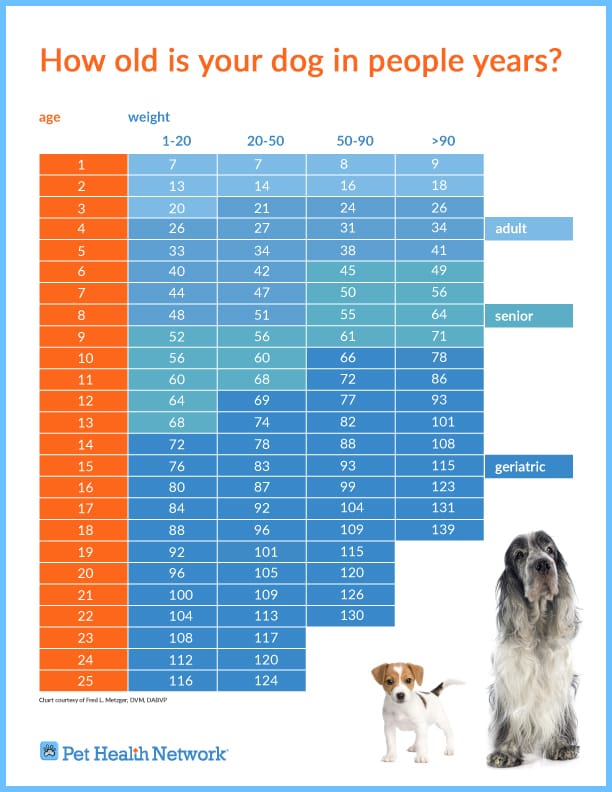
As our beloved canine companions age, it’s crucial for pet parents to understand the nuances of senior dog care. Advances in veterinary medicine and improved pet parenting practices mean dogs are living longer, healthier lives. While age itself isn’t a disease, recognizing when your dog enters their senior years is key to providing them with the specialized care they need. This involves understanding the signs of aging and adapting their lifestyle, nutrition, and healthcare accordingly.
Determining Your Dog’s Senior Status: It’s All About Size
The most accurate way to determine when a dog is considered a senior is by their size. Generally, larger dogs age faster and have shorter lifespans compared to their smaller counterparts. This is thought to be due to less stress on the cardiovascular system in smaller breeds, allowing them to live longer and age more slowly. Some medical conditions common in senior dogs may also be more challenging to treat in larger breeds.
Consequently, larger dogs reach their golden years sooner. A giant breed like a Great Dane might be considered a senior as early as 6 years old, while a small breed such as a Dachshund may not reach senior status until they are 10 years old. Most dogs are generally treated as seniors around the age of 8.
Here’s a general guideline based on dog size:
- Small breeds (e.g., Dachshund): 10–12 years old
- Medium breeds (e.g., Australian Shepherd): 8–10 years old
- Large breeds (e.g., Boxer): 8–9 years old
- Giant breeds (e.g., Great Dane): 6–7 years old
Recognizing the Signs Your Dog is Entering Senior Years
As dogs age, both physical and mental changes become apparent. Recognizing these signs allows you to proactively address your dog’s evolving needs.
Visible Changes: The Little Signs of Aging
You might notice cosmetic changes as your dog gets older. A common sign is a graying muzzle and a change in coat texture. Their skin may also become less elastic, potentially affecting wound healing and hair regrowth.
A whitish-blue haze may develop in your senior dog’s eyes due to age-related changes in the lens, a condition known as nuclear sclerosis. While this can resemble cataracts, it’s important to note that nuclear sclerosis does not affect vision, unlike cataracts which can lead to blindness.
A Shift in Energy Levels
A noticeable decrease in energy is typical for senior dogs. Their tolerance for prolonged playtime and strenuous exercise will likely diminish compared to their younger days. Consequently, they may spend more time sleeping.
Altered Eating and Drinking Habits
Older dogs often benefit from a specialized senior dog diet. These diets can help manage weight as activity levels decrease and address potential health issues. Changes in appetite, whether a decrease or a sudden increase, along with symptoms like vomiting, diarrhea, or increased thirst, are indicators of underlying medical conditions that require veterinary attention.
Mobility Challenges
As dogs age, they tend to lose muscle mass and gain fat, increasing the risk of obesity. This can exacerbate or lead to various health problems, including mobility issues and metabolic diseases like diabetes. Arthritis and other conditions affecting movement become more prevalent. Even if your dog had orthopedic issues earlier in life, such as luxating patella or ligament tears, these joints may become more problematic with age.
To help your senior dog navigate your home more easily, consider providing dog ramps or dog stairs. If you observe limping, dragging their feet, or muscle loss, it could signify an orthopedic or neurological condition, such as degenerative myelopathy. Consulting your veterinarian is essential if you notice these symptoms.
Behavioral and Cognitive Changes
Increased sleep is a hallmark of aging dogs. If your older dog is sleeping significantly more, especially after activities they once enjoyed, it’s a clear sign they are entering their senior phase. Pain and discomfort from age-related issues can also lead to behavioral changes. Difficulty with stairs, stiffness, increased anxiety, or aggression can be indicators that your senior dog is in pain.
Canine Cognitive Dysfunction Syndrome (CCD), similar to dementia in humans, is another age-related condition where a dog’s brain deteriorates. This can affect their awareness, learning abilities, memory, and overall responsiveness.
Sensory Decline
The senses of senior dogs can also be affected by aging. Vision, hearing, smell, and taste may diminish or be lost entirely. Worsening vision might make your dog hesitant to go outside at night, and hearing loss can lead to a decreased response to voice commands. Any noticeable changes in your dog’s senses warrant a prompt visit to the veterinarian.
Essential Senior Dog Care Strategies
Caring for your senior dog is a rewarding experience. Providing attentive care ensures they maintain a good quality of life during their twilight years. The companionship of a senior pet offers unique joys.
Regular Veterinary Care is Paramount
Routine veterinary visits are crucial for senior dogs. Checkups every six months are recommended, including a thorough physical examination, blood work, and urine testing. These diagnostics help evaluate organ function and detect any developing diseases in their early stages.
Optimal Nutrition for Aging Canines
Proper nutrition for your senior dog is vital. Switching to a vet-recommended senior dog food can help manage medical conditions and maintain mobility. These diets are typically lower in fat and calories to prevent obesity. Many senior formulas also include supplements like glucosamine and chondroitin for joint health. Always consult your veterinarian before making dietary changes or adding supplements.
Ensuring Comfort and Managing Pain
Prioritizing your senior dog’s comfort and managing any pain is essential. Non-slip surfaces, like runners on tile or wood floors, can provide better traction. An orthopedic dog bed offers cushioning for joints and pressure points, promoting restful sleep.
While age-related issues are common, they don’t have to diminish your senior dog’s quality of life. With a little extra TLC, senior dogs can remain active, cherished members of your family, enjoying their golden years to the fullest.
