
Potty training is a significant milestone in a dog’s life, and as loving pet parents, we’re all eager to know: when do dogs typically get potty trained? It’s a question filled with anticipation and sometimes, a bit of frustration. While there’s no single magic age that fits every pup, understanding the general timeline, factors influencing the process, and effective training strategies can make this journey smoother for both you and your furry companion.
The journey to a reliably house-trained dog is as unique as each dog itself. While some puppies pick it up with astonishing speed, others may take a bit longer to grasp the concept. Patience, consistency, and positive reinforcement are your best allies in this endeavor.
Understanding the Potty Training Timeline
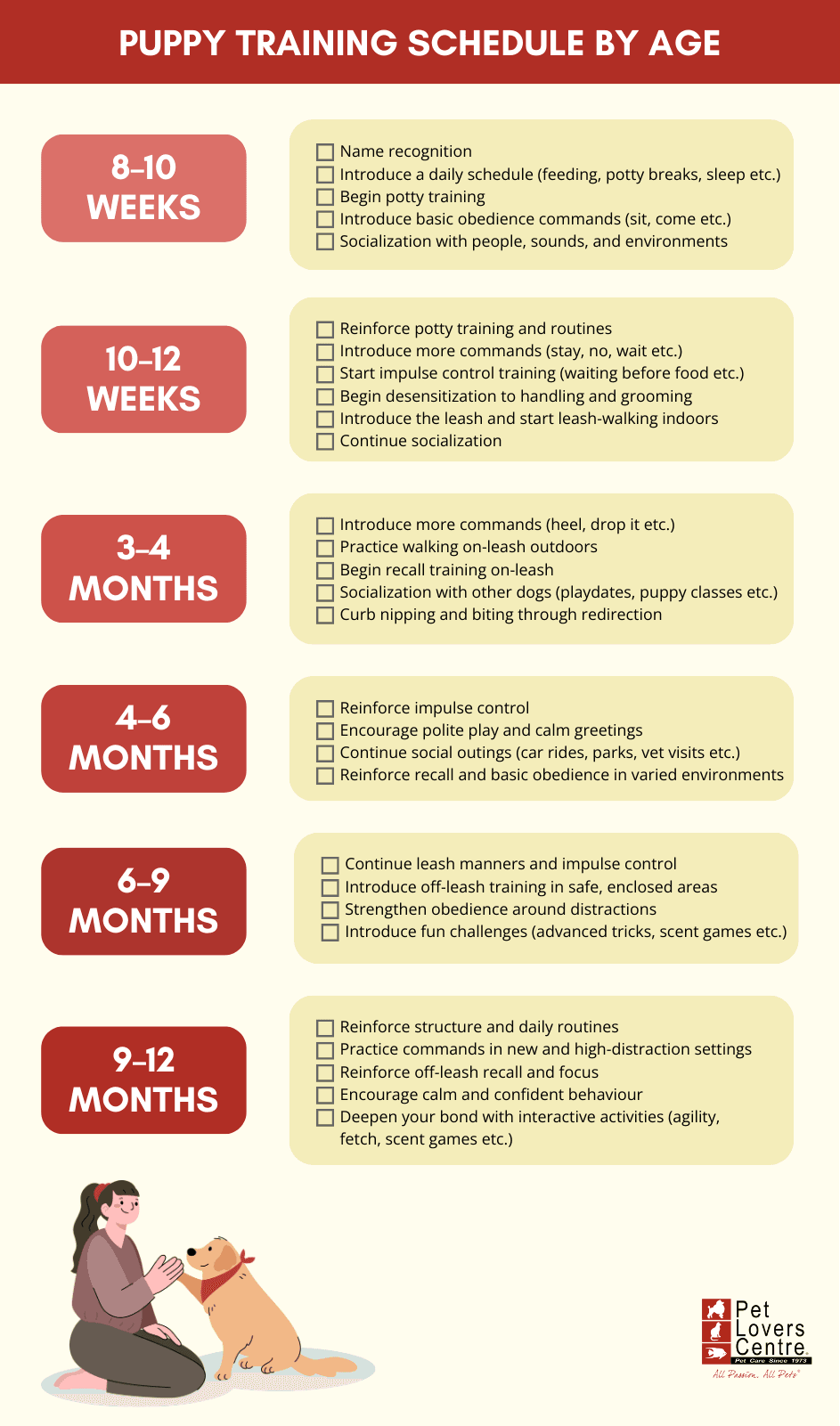
Generally, puppies can begin potty training as soon as they are weaned and brought home, typically around 8 to 10 weeks old. However, the age at which they achieve full house-training can vary significantly.
- 8-12 Weeks: At this stage, puppies have some bladder and bowel control but are still prone to accidents. They can usually hold it for about an hour per month of age, meaning a 2-month-old puppy might need to go out every 2 hours. This is the crucial period for establishing a routine and teaching them where to eliminate.
- 3-6 Months: Most puppies begin to gain better bladder and bowel control during this period. They can often hold it for longer stretches, and accidents become less frequent. This is when many owners see significant progress and start to feel confident about their dog’s house-training.
- 6 Months and Beyond: By six months, many dogs are considered reliably potty trained. However, some dogs, especially larger breeds, might take longer. It’s not uncommon for occasional accidents to still occur, particularly if there are changes in routine or environment.
It’s important to remember that these are just general guidelines. Factors like breed, individual learning pace, and the consistency of your training efforts play a huge role.
Factors Influencing Potty Training Success
Several elements can influence how quickly and successfully your dog becomes potty trained. Understanding these can help you tailor your approach:
Breed and Size
Smaller breeds often have smaller bladders and less muscle control, which can make them take longer to potty train than larger breeds. They may need more frequent trips outside, especially in the early stages. Conversely, some larger breeds might take longer to physically mature, which can also extend the training period.
Age of Acquisition
Puppies brought home at a younger age will naturally require more time and consistent effort to potty train compared to an older dog that may have already had some prior training or maturity.
Consistency of Routine
This is perhaps the most critical factor. A consistent schedule for feeding, watering, playing, and especially potty breaks, helps your dog learn when and where to eliminate. Taking your dog out first thing in the morning, after meals, after naps, after playtime, and right before bed is a solid foundation.
Positive Reinforcement
Rewarding your dog immediately after they successfully eliminate in the designated spot is incredibly effective. This could be with verbal praise, a small treat, or a favorite toy. Positive reinforcement builds a strong association between the desired behavior and a positive outcome, encouraging them to repeat it.
Your Response to Accidents
Accidents are inevitable, especially in the beginning. It’s crucial not to punish your dog. Punishment can create fear and anxiety, making your dog hesitant to eliminate in front of you, even when they need to go. Instead, if you catch them in the act, calmly interrupt them and immediately take them outside. Clean up accidents thoroughly with an enzymatic cleaner to eliminate odors that might attract them back to the same spot.
Underlying Health Issues
Sometimes, a dog that was previously well-trained might start having accidents. This can indicate a health problem, such as a urinary tract infection, kidney issues, or diabetes. If you notice a sudden change in your dog’s potty habits, it’s always best to consult your veterinarian.
Effective Potty Training Strategies
When you’re navigating the potty training journey, having a toolkit of effective strategies can make all the difference. The core principle is consistency and positive reinforcement.
Establish a Strict Schedule
- Feeding: Feed your dog at the same times each day. This helps regulate their digestive system and predict when they’ll need to go outside.
- Potty Breaks: Take your dog out frequently. A good starting point is every 1-2 hours for young puppies, gradually increasing the time between breaks as they mature. Always take them out after waking up, after meals, after play sessions, and before bedtime.
- Designated Spot: Choose a specific area in your yard for your dog to eliminate. Always take them to this spot to help them associate it with potty time.
Master the “Go Potty” Command
As you take your dog to their designated spot, use a cue word or phrase, such as “Go potty” or “Do your business.” When they successfully eliminate, praise them enthusiastically and offer a high-value treat. Over time, they’ll associate the command with the action. This is similar to how dog training hand signals can aid in communication.
Crate Training Benefits
Crate training can be an invaluable tool for potty training. Dogs have a natural instinct not to soil their den. A properly sized crate will prevent your dog from having accidents inside it. If your dog needs to be left alone for a short period, the crate can prevent accidents and help them learn to hold it. Remember that the crate should be a positive space, never used for punishment. For dogs experiencing dog house training issues, crate training, when done correctly, can be a game-changer.
Supervise Closely
When your dog is not in their crate, keep a close eye on them. Watch for signs that they need to go, such as sniffing the ground intently, circling, whining, or heading towards a door. If you see these signs, immediately take them outside to their potty spot. Close supervision is key to preventing accidents and reinforcing good habits.
Handling Accidents Properly
- If you catch them in the act: Calmly interrupt them with a noise (like a clap), pick them up, and rush them outside to their designated spot. If they finish eliminating outside, praise them.
- If you discover an accident after the fact: Do not punish your dog. They won’t understand why they are being reprimanded. Simply clean it up thoroughly using an enzymatic cleaner to remove all traces of odor.
Consider Professional Help
If you’re struggling significantly with potty training, don’t hesitate to seek professional help. A certified dog trainer can assess your dog’s behavior, identify any underlying issues, and provide personalized guidance. For those in specific areas, resources like dog training Rock Hill SC can connect you with local experts. Some owners even consider acquiring trained dogs for sale Illinois if they feel they cannot manage the training process.
Common Potty Training Challenges and Solutions
Even with the best intentions, you might encounter a few hurdles along the way.
The “Too Big to Train” Myth
A common concern is whether older dogs can be potty trained. The answer is a resounding yes! While it might take more patience and a different approach than with a puppy, older dogs can absolutely learn. For dogs with long-standing dog house training issues, a determined owner and a professional trainer can often resolve these problems.
Regression in Training
Sometimes, a dog that seemed reliably trained may start having accidents again. This can be due to stress, changes in routine (like a new pet or a move), or a medical issue. Revert to a more stringent potty training schedule and reinforce commands. Consulting your vet is crucial if medical reasons are suspected.
Refusal to Potty Outside
If your dog consistently refuses to eliminate outside, despite your efforts, consider the following:
- Is the potty spot appealing? Ensure it’s clean and free of distractions.
- Are they scared? Loud noises, other animals, or even the weather can deter some dogs. Try a different spot or wait for a calmer moment.
- Are they confused? Ensure you are consistently taking them to the right spot at the right times.
Frequently Asked Questions About Potty Training
Q1: How long does it typically take to potty train a puppy?
A1: While some puppies are reliably trained by 4-6 months, it can take up to a year for others. Consistency and patience are key.
Q2: What should I do if my dog has an accident in the house?
A2: Do not punish your dog. Clean the mess thoroughly with an enzymatic cleaner and recommit to your training schedule. If you catch them in the act, interrupt calmly and take them outside.
Q3: Can a dog be too old to potty train?
A3: No, dogs of any age can be potty trained. Older dogs might have ingrained habits or underlying medical conditions to consider, but training is achievable.
Q4: My puppy won’t stop having accidents. What am I doing wrong?
A4: Double-check your schedule for frequency of potty breaks, ensure you’re using positive reinforcement effectively, and consider if there might be a medical issue. Close supervision is crucial. Perhaps you need to revisit basics like potty training a 6-month-old dog if your puppy is around that age.
Q5: How can I prevent my dog from having accidents when I’m not home?
A5: Crate training is highly effective. Ensure the crate is the right size. For longer absences, consider a dog walker or a pet sitter.
Conclusion: The Journey to a Potty-Trained Dog
The age when dogs get potty trained is less important than the process and your dedication to it. By understanding the general timeline, recognizing the factors that influence training, and implementing consistent, positive strategies, you can successfully guide your dog to become reliably house-trained. Celebrate every success, remain patient through the challenges, and remember that the bond you build during this training period is as valuable as the clean floors you’ll eventually enjoy. Happy training!
