
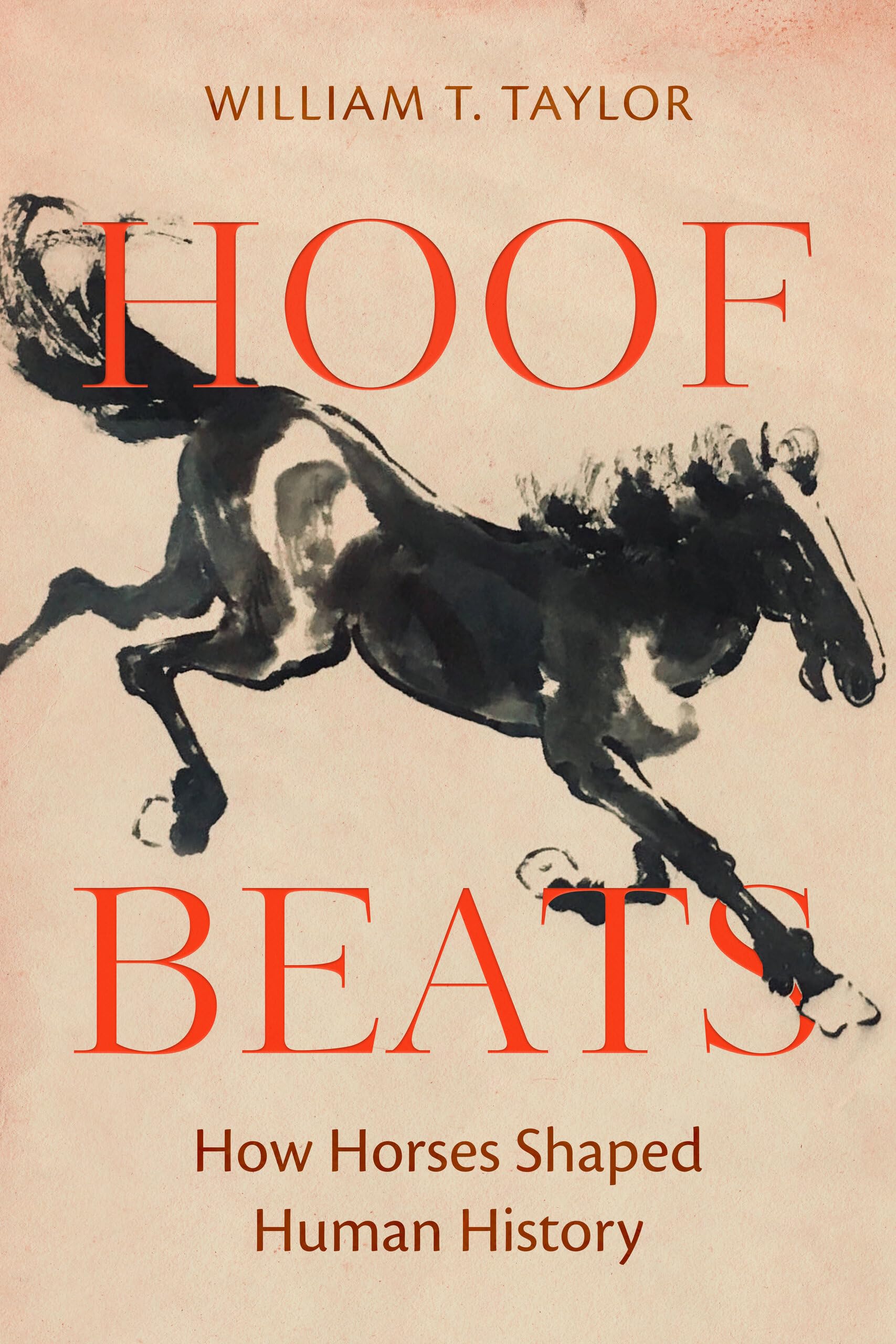
Horses have galloped through human history, leaving an indelible mark on our civilizations, cultures, and even our hearts. From their wild origins to their roles as partners in work, war, and sport, the story of the horse is a captivating saga of evolution, domestication, and a remarkable bond with humankind. Their majestic presence and diverse capabilities have cemented their place as one of the most significant animals in our shared narrative.
The Ancient Echoes: Origins and Early Domestication
The journey of the horse begins in the vast plains of Central Asia, where their wild ancestors roamed freely for millennia. These early equines, smaller and less robust than today’s breeds, were a vital part of the prehistoric landscape. The process of domestication, believed to have begun around 6,000 years ago, was a pivotal moment. Early humans recognized the potential of these powerful animals, not just for sustenance, but for companionship and utility. This symbiotic relationship, once established, would fundamentally alter the course of human development, enabling greater mobility, expanding trade routes, and revolutionizing warfare. The ability to traverse greater distances and transport goods and people more efficiently laid the groundwork for the growth of civilizations and the interconnectedness of early societies. The very concept of exploring new territories and establishing communities was profoundly influenced by the advent of the domesticated horse.
A Tapestry of Breeds: Diversity in Form and Function
Over centuries of selective breeding, humans have developed an astonishing array of horse breeds, each with unique characteristics tailored to specific purposes. From the powerful draft horses like the Clydesdale, bred for heavy labor, to the swift and agile Thoroughbreds, perfected for racing, the diversity is astounding. The sturdy Quarter Horse excels in Western disciplines, while the elegant Arabian is renowned for its endurance and refined beauty. Each breed represents a chapter in the ongoing story of human-animal partnership, a testament to our ability to shape and refine nature to meet our needs and desires. This genetic tapestry not only showcases the versatility of the equine species but also reflects the varied environments and human activities across the globe. Whether for plowing fields, carrying riders across vast distances, or performing intricate maneuvers in an arena, there is a horse breed ideally suited for the task. The ongoing development and preservation of these breeds ensure that this rich heritage continues to thrive.
More Than Just Animals: Horses in Culture and Mythology
Horses are deeply woven into the fabric of human culture, appearing in myths, legends, art, and literature across the globe. They symbolize power, freedom, nobility, and grace. From Pegasus, the winged horse of Greek mythology, to the warrior steeds of ancient epics, these animals have consistently represented ideals and aspirations. Their presence in art, from prehistoric cave paintings to Renaissance masterpieces, underscores their profound impact on the human psyche. In many cultures, horses are seen as spiritual beings, bridges between the earthly and the divine. This deep cultural resonance highlights the enduring fascination and respect humans have for these magnificent creatures. Their image evokes a sense of untamed spirit and noble companionship, qualities that have been celebrated and emulated for generations. This rich symbolic language further illustrates the profound connection that has developed between humans and horses over thousands of years.
The Modern Equine: Roles in Contemporary Society
While the advent of industrialization and motorized transport has diminished the horse’s role in heavy labor and warfare, their importance in modern society remains significant. Equestrian sports, from show jumping and dressage to rodeo and endurance riding, showcase the athleticism and partnership between horse and rider. Therapeutic riding programs utilize horses to improve the physical and emotional well-being of individuals with disabilities. For many, horses are cherished companions, offering a unique form of recreation and a deep connection to nature. The legacy of the horse continues to thrive, adapting to new roles while retaining the essence of what has made them so special for millennia. The modern era has seen a shift towards recreational and therapeutic applications, demonstrating the enduring value of human-equine interaction. The emotional benefits derived from these relationships are as profound as the practical ones of the past.
Understanding the Horse: A Deeper Connection
To truly appreciate the story of the horse, one must understand their behavior, needs, and the intricacies of their care. This involves recognizing their social nature, their communication through body language, and their requirement for proper nutrition, exercise, and veterinary attention. Learning to read a horse’s cues, understanding their training, and providing a safe and stimulating environment are crucial for any responsible owner or enthusiast. This deeper understanding not only benefits the horse but also enriches the human experience, fostering a more profound and respectful bond. Engaging with horses on their terms, with patience and empathy, unlocks a unique level of connection that transcends words. It is through this mindful interaction that we can truly grasp the depth of their intelligence and their capacity for loyalty and partnership. This reciprocal relationship is at the heart of the enduring appeal of horses.
