
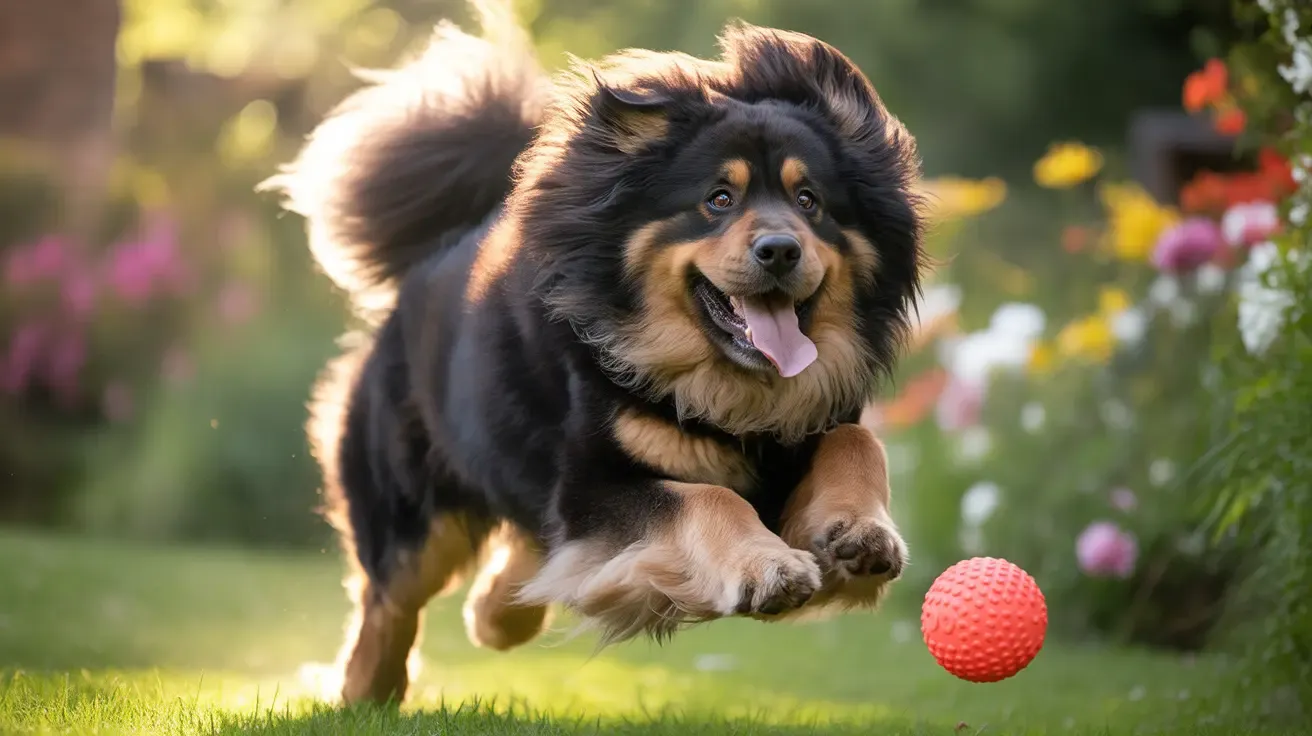
 Happy Australian Shepherd jumping for a red ball in a garden, reflecting the joy of healthy dog care with beneficial treats like yogurt.
As devoted pet parents, we constantly seek ways to enhance our furry friends’ health and happiness. Yogurt, a popular human superfood, often comes to mind as a potentially beneficial treat for our canine companions. Indeed, when chosen carefully, yogurt can be a healthy and delicious addition to your dog’s diet, offering a wealth of probiotics, calcium, and protein. However, the world of yogurt is vast, and not all varieties are safe for dogs. Navigating the options requires a keen eye to ensure you select brands and types free from harmful ingredients. This comprehensive guide will equip you with the knowledge to understand the benefits of yogurt for dogs, identify exactly What Yogurt Is Good For Dogs, recommend the safest brands, and provide clear instructions on how to serve it properly and safely, helping you make informed decisions for your pet’s well-being.
The Nutritional Benefits of Yogurt for Dogs
Plain yogurt is much more than just a tasty snack; it’s a powerhouse of beneficial nutrients for dogs. Its primary advantage lies in its live probiotic cultures, which play a crucial role in maintaining a balanced and healthy gut microbiome. A robust gut flora is fundamental for overall health, supporting efficient digestion and a strong immune system. For dogs experiencing mild gastrointestinal upset, such as occasional diarrhea or constipation, the probiotics in yogurt can often help to soothe the digestive tract and restore balance. Beyond probiotics, yogurt is an excellent source of several other essential nutrients:
- Calcium: Absolutely vital for the development and maintenance of strong bones and healthy teeth, calcium also plays a role in nerve transmission and muscle function.
- Protein: An indispensable macronutrient, protein supports muscle growth and repair, provides energy, and is crucial for creating hormones and enzymes.
- B Vitamins: Yogurt is particularly rich in B12 and riboflavin, which are critical for energy metabolism, red blood cell formation, and maintaining a healthy nervous system.
The combination of these elements makes plain, dog-safe yogurt a valuable supplement, particularly for dogs with sensitive stomachs, as the probiotics can aid digestion and potentially reduce gut inflammation. However, it cannot be stressed enough that the benefits are only realized if the yogurt is free from any ingredients that could pose a risk to your dog’s health. Understanding the right choices is paramount.
Key Factors When Choosing Dog-Safe Yogurt
To ensure your dog reaps the benefits of yogurt without encountering any health risks, a careful selection process is crucial. Not all yogurts are created equal, especially when it comes to canine consumption. Here are the most important factors to scrutinize when deciding what yogurt is good for dogs:
Plain & Unsweetened – The Golden Rule
This is perhaps the most critical rule. Always opt for plain, unsweetened yogurt. Yogurts with added sugars, fruit purees, or artificial flavorings are not suitable for dogs. Even “natural” fruit flavorings can contain high levels of sugar, which can lead to weight gain, dental issues, and other health problems for your canine. Sugars can also disrupt a dog’s sensitive digestive system, causing upset stomachs.
Beware of Xylitol and Artificial Sweeteners
A grave danger lurking in many human yogurts, especially “diet” or “sugar-free” varieties, is xylitol. Xylitol is an artificial sweetener that is highly toxic to dogs. Even a small amount can cause a rapid release of insulin in dogs, leading to a sudden and dangerous drop in blood sugar (hypoglycemia), which can quickly escalate to liver failure, seizures, and even death. Always check the ingredient label meticulously for xylitol and other artificial sweeteners. If in doubt, do not feed it to your dog. For more information on what foods can be harmful, consider reviewing what vegetables are dogs not allowed.
Fat Content Matters: Low-Fat or Non-Fat Options
High-fat content in a dog’s diet can contribute to various health issues, including obesity and a painful condition known as pancreatitis. Pancreatitis is an inflammation of the pancreas that can be severe and life-threatening. Therefore, choosing non-fat or low-fat plain yogurt is the safest bet for your dog. These options are generally easier to digest and provide the beneficial components without the excessive fat.
Live and Active Cultures – The Probiotic Powerhouse
The primary reason to give your dog yogurt is for its probiotic content. Look for yogurt explicitly labeled as containing “live and active cultures.” These beneficial bacteria, such as Lactobacillus acidophilus and Bifidobacterium, are what support gut health and bolster the immune system. Without these live cultures, yogurt offers little more than just protein and calcium, missing its most potent health benefit.
Avoid Additives and Preservatives
A simple ingredient list is always best. Avoid yogurts that contain artificial colors, thickeners, stabilizers, or preservatives. These can be unnecessary and potentially irritating or harmful to your dog’s digestive system and overall health. Pure, unadulterated yogurt is what you’re aiming for.
Lactose Concerns: Low-Lactose or Lactose-Free
Many dogs, like some humans, are lactose intolerant. This means they lack the enzyme lactase needed to break down lactose, the sugar found in milk. Feeding lactose-containing products to an intolerant dog can lead to digestive upset, including gas, bloating, and diarrhea. Greek yogurt often has less lactose than regular yogurt due to its straining process, making it a better option. Lactose-free yogurts are also readily available and offer a safer alternative for sensitive pups.
Top Dog-Safe Yogurt Brands Recommended by Experts
Once you understand the criteria for choosing safe yogurt, the next step is to identify specific brands that meet these standards. Here are some of the best human-grade and dog-specific yogurt brands that consistently fit the bill when considering what yogurt is good for dogs:
- Seven Stars Organic Plain Yogurt: This organic brand boasts a strong reputation for its purity and simplicity. Their plain yogurt is made without artificial ingredients or added sugars and is naturally rich in beneficial probiotics.
- 365 Organic Greek Yogurt (Whole Foods Brand): An accessible and widely available option, this plain Greek yogurt from Whole Foods is organic, unsweetened, and packed with live active cultures. Its notably thick texture is often a favorite, especially for larger dogs, and can be great for filling puzzle toys.
- Happy Belly Plain Greek Yogurt (Amazon Brand): A budget-friendly choice from Amazon’s private label, Happy Belly offers a plain Greek yogurt that contains no added sugars, artificial flavors, or preservatives. It’s a reliable source of protein and probiotics, making it an excellent everyday option.
- Chobani Non-Fat Plain Greek Yogurt: Chobani is a well-known and trusted brand. Their non-fat plain Greek yogurt is not only low in fat but also typically lactose-free and loaded with probiotics. Chobani’s commitment to quality control and clean labeling makes it a top choice for discerning pet parents.
- Specialty Dog Yogurts: Yogi-Dog & Chobani Daily Dollop: For pet parents seeking products explicitly formulated for canines, specialty yogurts exist. Yogi-Dog yogurt, for example, is lactose-free and free from added sugars, often coming in dog-safe flavors. Chobani has also ventured into the pet market with their Daily Dollop, a plain, low-fat dog yogurt that includes canine-targeted probiotics, making it an ideal selection for dogs with particularly sensitive stomachs. For more comprehensive insights on general safe food options, see our guide on what foods can i give my dog.
How to Introduce and Feed Yogurt to Your Dog Safely
Introducing any new food to your dog’s diet requires caution, and yogurt is no exception. While it offers numerous benefits, proper introduction and portion control are key to ensuring a positive experience.
- Start with Small Portions: Begin by offering a very small amount. For small dogs, a teaspoon is adequate, while larger dogs can start with a tablespoon. Observe your dog closely for 24-48 hours for any signs of adverse reactions, such as gas, bloating, diarrhea, or vomiting. If no issues are observed, you can gradually increase the amount.
- Creative Ways to Serve (Toppers, Treats): Yogurt can be a versatile addition. It can be mixed in with your dog’s regular kibble or wet food as a topper, adding extra flavor and a boost of nutrition. You can also use it as a standalone treat or as a binder for other dog-safe ingredients.
- The 10% Rule for Treats: Remember that treats, including yogurt, should not constitute more than 10% of your dog’s daily caloric intake. This rule helps prevent overfeeding and ensures your dog still gets the majority of their nutrition from their balanced dog food.
- Monitor for Signs of Intolerance: Even with low-lactose or lactose-free options, some dogs may still show sensitivity. Be vigilant for any signs of digestive upset like excessive gas, abdominal discomfort, loose stools, or diarrhea. If these symptoms occur, discontinue feeding yogurt and consult your veterinarian. If your dog experiences an upset stomach, specific bland foods might be recommended.
Delicious Homemade Yogurt Treats for Dogs
Making homemade yogurt treats allows you complete control over the ingredients, ensuring they are wholesome and free from unwanted additives. These recipes are not only safe but also incredibly fun for your dog, especially during warmer months.
- Frozen Yogurt Bites with Fruit:
- Ingredients: Plain, unsweetened, low-fat yogurt; mashed banana; a handful of blueberries (or other dog-safe fruits like strawberries or apples without seeds).
- Instructions: Mix all ingredients thoroughly. Spoon the mixture into ice cube trays or silicone molds. Freeze until solid. These make refreshing, bite-sized treats.
- Pumpkin Yogurt Pops:
- Ingredients: Plain, unsweetened, low-fat yogurt; canned plain pumpkin puree (ensure it’s 100% pumpkin, not pie filling, which contains spices and sugar).
- Instructions: Combine yogurt and pumpkin puree. The pumpkin adds a fiber boost and is great for digestion. Freeze in silicone molds or small cups for easy-to-handle pops.
- Yogurt-Stuffed KONGs & Other Fillers:
- Ingredients: Plain, unsweetened, low-fat yogurt.
- Instructions: Spoon plain yogurt directly into a KONG toy or other treat-dispensing toy. You can add a dollop of peanut butter (xylitol-free!) at the opening to seal it. Freeze the stuffed toy for a long-lasting, calming, and mentally stimulating treat that helps keep your dog entertained. For picky eaters, these types of engaging treats can sometimes spark interest. If you’re dealing with a picky eater, creative food presentations can be very helpful.
These homemade options are particularly beneficial during hot weather, helping to keep your dog hydrated and offering a cool, enjoyable diversion.
Important Warnings and Considerations for Pet Parents
While plain yogurt can be a beneficial treat, awareness of potential dangers is critical. Your dog’s health is paramount, and being vigilant about ingredients can prevent serious issues.
- The Xylitol Danger (Reiteration and Emphasis): This cannot be overstated. Always, always check the ingredient label for xylitol. It is found in many sugar-free products, including some yogurts, and is lethally toxic to dogs. Even trace amounts can cause a medical emergency. When in doubt, do not feed it.
- Other Harmful Additives: Beyond xylitol, be cautious of other artificial ingredients such as colors, flavors, and preservatives. While not all are immediately toxic, they can cause allergic reactions, digestive upset, or contribute to long-term health issues. Simple, natural ingredients are always the safest choice. French Bulldogs, for instance, often have sensitive digestive systems, making ingredient checks even more important. Understanding what vegetables can French Bulldogs eat also emphasizes the importance of species-specific dietary considerations.
- Always Check Expiration Dates: Just like for humans, spoiled dairy products can cause food poisoning in dogs. Ensure the yogurt is fresh and within its expiration date before serving it to your pet.
- Consult Your Veterinarian: Before introducing any new food into your dog’s diet, especially if they have pre-existing health conditions, allergies, or are on medication, it is always best to consult your veterinarian. They can provide personalized advice based on your dog’s specific health needs.
Frequently Asked Questions About Dogs and Yogurt
What brand of yogurt is safe for dogs to eat?
Safe and recommended brands include Seven Stars Organic Plain Yogurt, 365 Organic Greek Yogurt (Whole Foods Brand), Happy Belly Plain Greek Yogurt (Amazon Brand), and Chobani Non-Fat Plain Greek Yogurt. Dog-specific options like Yogi-Dog Yogurt and Chobani Daily Dollop are also excellent choices, as they are formulated with canine needs in mind.
Can dogs with lactose intolerance eat yogurt?
Many dogs are lactose intolerant. Greek yogurt generally has less lactose due to its straining process, making it a better option. Lactose-free plain yogurts are also available and are the safest choice for dogs with known lactose sensitivity. Always start with a tiny amount and closely observe your dog for any digestive issues.
How often can I give my dog yogurt?
Yogurt should be considered a treat or supplement, not a main meal replacement. It can be given a few times a week, ensuring it adheres to the 10% rule, meaning treats should not exceed 10% of your dog’s daily caloric intake.
Is Greek yogurt better than regular yogurt for dogs?
Yes, generally, Greek yogurt is often a superior choice for dogs. It typically contains more protein and has less lactose compared to regular yogurt due to its thicker, strained consistency, making it easier for many dogs to digest, especially those with mild lactose sensitivity.
Can puppies eat yogurt?
Yes, puppies can eat plain, unsweetened, low-fat yogurt in very small amounts. However, puppies have delicate digestive systems, so introduce it cautiously and always consult your veterinarian before adding new foods to their diet.
Does yogurt help with my dog’s digestion?
Absolutely. The live and active probiotic cultures found in dog-safe yogurt can significantly promote healthy digestion. These beneficial bacteria help maintain a balanced gut microbiome, which can alleviate symptoms like loose stools, flatulence, and general digestive upset.
