
As devoted pet parents, we constantly seek the best for our furry companions, and their diet plays a pivotal role in their overall health and happiness. While commercially prepared dog food forms the foundation of most canine diets, supplementing with wholesome, natural ingredients can offer a wealth of additional nutrients, flavors, and enrichment. Understanding what foods dogs can and cannot eat is crucial for their safety and well-being. This comprehensive guide will explore a variety of safe whole foods that can be incorporated into your dog’s diet, outlining their benefits, proper preparation, and important precautions to ensure a healthy and happy canine companion.
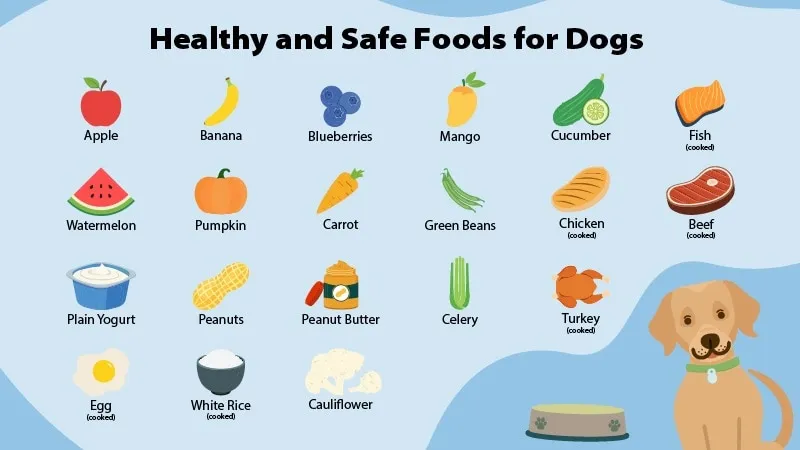 Assortment of fresh fruits and vegetables safe for dogs to eat, including apples, carrots, and blueberries, signifying healthy whole food options for canine diets.
Understanding Your Dog’s Dietary Needs
Dogs are omnivores, meaning their diet naturally includes both plant and animal matter. While they thrive on a meat-based diet, certain fruits, vegetables, and other whole foods can provide essential vitamins, minerals, and fiber that contribute to a balanced and healthy lifestyle. Introducing new foods slowly and in moderation is always recommended, and consulting your veterinarian is paramount, especially if your dog has any underlying health conditions or dietary sensitivities.
Safe & Beneficial Whole Foods for Dogs
Here’s a detailed look at whole foods you can safely share with your dog:
Apples
Apples are a fantastic, crunchy treat for dogs, rich in vitamins A and C, and a good source of fiber. Vitamin A supports immune function, bone growth, and skin health, while Vitamin C acts as an anti-inflammatory and immune booster. Always remember to remove the seeds and core, as apple seeds contain small amounts of cyanide and the core can be a choking hazard.
Bananas
Soft and easy to chew, bananas are an excellent treat, especially for older dogs or those with sensitive teeth. They are packed with health benefits, including supporting heart health and blood pressure regulation. Bananas provide fiber for digestion, folate (Vitamin B9) for healthy cell growth, lectin for blood sugar and intestinal health, potassium for fluid balance, and tryptophan, an essential amino acid important for mood and sleep regulation.
Beef (Cooked and Unseasoned)
Cooked beef is a highly nutritious protein source, providing all essential amino acids, along with vital vitamins and minerals. When offering beef, ensure it’s thoroughly cooked to eliminate any harmful bacteria. Opting for lean cuts and avoiding excessive fat is best. Always serve plain, without any seasonings, which can be detrimental to your dog’s health. For specific advice on what type of meat should i feed my dog, consulting a vet is always recommended.
Blueberries
These tiny powerhouses are a delightful treat for dogs, loaded with antioxidants and vitamins C, K, and A. These nutrients can help reduce inflammation and may contribute to preventing various diseases and age-related issues. Blueberries are small and generally safe to feed whole, making them a convenient and healthy snack.
Carrots
Carrots are a superb, crunchy treat that can even help clean your dog’s teeth by scraping away plaque. This orange root vegetable is an excellent source of vitamin A, crucial for vision and immune health. Cold or frozen carrot pieces can also soothe teething puppies. For smaller dogs and puppies, always cut carrots into small, manageable pieces to prevent choking.
Cauliflower (Unseasoned)
Low in calories and nutrient-dense, cauliflower is a great dietary supplement. It’s rich in fiber, antioxidants, folate, potassium, magnesium, and vitamins C, K, and B6. While beneficial, cauliflower can cause gas in some dogs, so introduce it in small amounts. It can be served raw or cooked, but it must always be unseasoned.
Celery
For dogs needing a low-calorie option, celery is an ideal choice. It’s low in fat and a good source of fiber, vitamins A, C, and K, as well as folate, potassium, and manganese, which aids in a healthy metabolism. Celery may even help freshen your dog’s breath. Due to its stringy nature, chop celery into bite-sized pieces to prevent choking, especially for smaller breeds or what fruits can shih tzus not eat.
Chicken (Cooked and Unseasoned)
Plain, boiled chicken is often recommended by veterinarians for dogs with upset stomachs due to its easy digestibility, high protein content, and low fat. It makes an excellent supplement or a high-value treat. However, it should not replace a balanced diet. Crucially, never give cooked chicken bones to your dog, as they can splinter and cause severe damage to the gastrointestinal tract.
Cucumbers
Similar to celery, cucumbers are a hydrating, low-calorie, and fat-free crunchy treat. They offer a refreshing snack without adding significant calories. As with celery, cucumbers can pose a choking hazard if not prepared properly. Always cut them into small, bite-sized pieces for your dog’s safety.
Eggs (Cooked and Unseasoned)
Eggs are a powerhouse of nutrition, offering high-quality protein and a wide range of vitamins including A, B, D, and K, along with essential minerals like selenium, calcium, and zinc. These nutrients collectively support overall canine health. Always cook eggs thoroughly, as raw eggs can carry salmonella. Scrambled or hard-boiled eggs, without seasoning, are excellent additions to their diet.
Fish (Cooked and Unseasoned)
Certain fish, such as salmon and sardines, are excellent sources of protein, amino acids, and beneficial omega-3 fatty acids, which promote healthy skin, coat, and joint function. Sardines are unique in that their soft bones can be left in, providing a valuable calcium boost. For all other fish, ensure bones are meticulously removed. Always serve fish fully cooked and unseasoned, limiting intake to no more than two servings per week.
Green Beans
Green beans are an ideal snack for dogs, particularly those managing their weight, as they are very low in calories and fat. They are also a good source of fiber and vitamin C. Green beans can be served cooked or frozen, offering a satisfying crunch.
Mango
This delicious tropical fruit is rich in fiber and vitamins A, B6, C, and E, making it a wonderful sweet treat. However, always remove the large pit and the peel, as the pit can be a choking hazard and contains small amounts of cyanide, while the peel can be difficult to digest. Due to its natural sugars, mango should be given in moderation to avoid stomach upset or weight gain.
Peanuts (Unsalted) and Peanut Butter
Unsalted peanuts are safe for dogs in moderation, providing healthy fats and protein. However, too much fat can lead to issues like weight gain or pancreatitis. Peanut butter, when unsalted and unsweetened, adds vitamins B and E, and fiber, beneficial for cardiovascular and digestive health. Crucially, ensure the peanut butter contains no xylitol, an artificial sweetener that is highly toxic to dogs.
Pumpkin
Pumpkin is an exceptional supplement for any dog’s diet. It’s loaded with nutritional value, including vitamins A, C, and E, and minerals like iron and potassium. Its high soluble fiber content makes it incredibly beneficial for digestion, helping to alleviate both diarrhea and constipation. Pumpkin is also rich in prebiotics, supporting a healthy gut microbiome. When using canned pumpkin, always ensure it’s 100% pure pumpkin puree, not pumpkin pie filling which contains harmful additives. What can you feed to puppies often includes a little pumpkin for digestive health.
Turkey (Cooked and Unseasoned)
Like chicken, fully cooked, unseasoned turkey is a lean source of protein. When preparing turkey for your dog, always remove the skin, bones, and any excess fat. Cooked turkey bones are brittle and can splinter, causing internal injuries.
Watermelon
A refreshing and hydrating treat, watermelon is particularly enjoyable for dogs in warmer weather. It’s a good source of vitamins A, C, and B6. Ensure all seeds and the rind are removed before offering watermelon to your dog, as seeds can cause intestinal blockages and the rind is difficult to digest. For specific breed considerations, such as what can cocker spaniels not eat, it’s always wise to consult a vet.
White Rice (Cooked)
Cooked white rice is a bland, easily digestible food often recommended by veterinarians for dogs recovering from an upset stomach. It helps to firm up stool and can be soothing to the digestive tract. However, dogs with diabetes should only consume small amounts due to its potential to spike blood sugar levels. Your veterinarian can provide specific guidance on appropriate portions.
Yogurt (Plain)
Plain, unsweetened yogurt can be a healthy treat for many dogs, offering beneficial probiotics that support a strong digestive system. However, some dogs are lactose intolerant and may experience digestive upset. Always choose plain yogurt without any added sugars, artificial sweeteners (especially xylitol), or artificial flavors.
Key Considerations When Feeding Whole Foods
While these whole foods offer numerous benefits, it’s essential to integrate them thoughtfully into your dog’s diet:
- Moderation is Key: Whole foods should be treats or supplements, making up no more than 10% of your dog’s daily caloric intake to prevent nutritional imbalances.
- Introduce Slowly: Introduce one new food at a time in small quantities to monitor for any adverse reactions like digestive upset or allergies.
- Consult Your Veterinarian: Always speak with your vet before making significant changes to your dog’s diet, especially if they have allergies, health conditions, or are on a specialized diet.
- Avoid Toxic Ingredients: Be vigilant about seasonings, spices, and other human food ingredients that are toxic to dogs (e.g., onions, garlic, chocolate, grapes, avocado, xylitol).
- Portion Control: Even healthy foods can contribute to weight gain if given in excess. Always consider your dog’s size, age, and activity level.
Conclusion
Incorporating safe and beneficial whole foods into your dog’s diet can be a wonderful way to boost their nutrition and enjoyment. From crunchy carrots to juicy blueberries, these natural additions offer essential vitamins, minerals, and fiber that support overall health. Remember, careful preparation, moderation, and always consulting with your veterinarian are the cornerstones of responsible feeding. By making informed choices, you can ensure your beloved canine friend enjoys a varied, healthy, and delicious diet for a lifetime of wagging tails. Explore more articles on Dog Care Story for expert advice on canine nutrition and wellness!
