
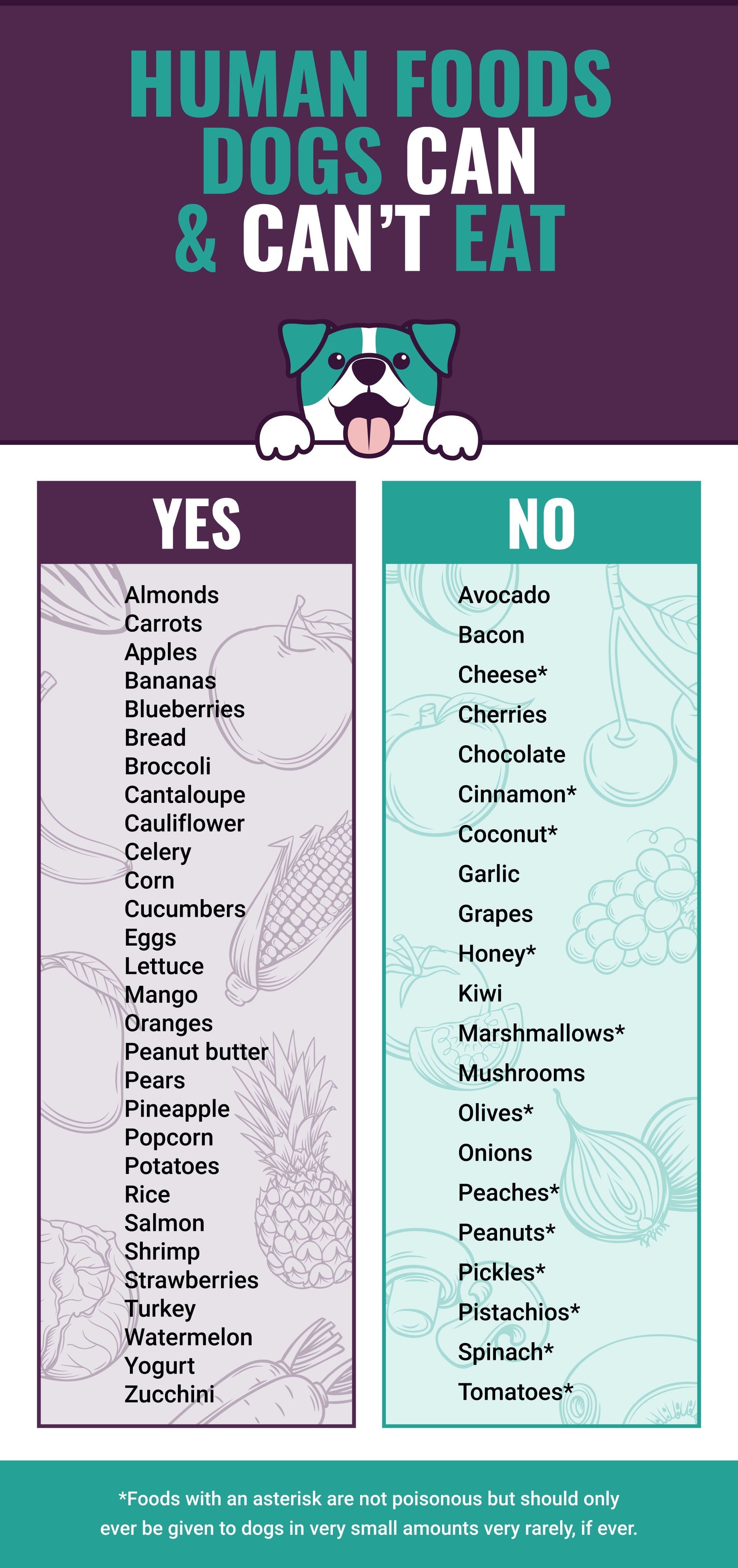
As responsible pet owners, ensuring our canine companions have a safe and healthy diet is paramount. While many human foods can be safely enjoyed by dogs, others pose serious health risks. Understanding which fruits are safe and which to avoid is crucial. This guide will delve into common fruits, highlighting those that are beneficial, those that should be given with caution, and those that are strictly off-limits for your furry friends.
Fruits Dogs Absolutely Cannot Eat: A Strict Warning
Certain fruits are highly toxic to dogs and can cause severe health issues, even in small quantities. It is imperative to keep these out of your dog’s reach at all times.
Grapes and Raisins: A Dangerous Combination
Grapes and their dried form, raisins, are among the most dangerous fruits for dogs. They can lead to acute kidney failure. The exact toxic compound in grapes is still unknown, but even a small amount can be fatal for some dogs. If your dog ingests any grapes or raisins, contact your veterinarian immediately. It is important to distinguish between whole grapes and grape seed extract. Grape seed extract, in fact, can be beneficial for dogs, whereas the fruit itself is extremely poisonous.
Citrus Fruits: Lemons and Limes
While small amounts of juice from lemons and limes might be found in some commercially prepared dog treats and foods and are considered safe, the fruits themselves should be avoided. The high acidity in lemons and limes can cause significant digestive upset, including vomiting and diarrhea. It’s best to err on the side of caution and refrain from offering these fruits to your dog.
Fruits Dogs Can Eat in Moderation: With Caution and Preparation
Several fruits are safe and even beneficial for dogs, but they require careful preparation and should only be given in moderation due to their sugar content or potential hazards like pits and seeds.
Mango: A Sweet Treat, Minus the Pit
Dogs can enjoy the sweet flesh of mangoes. However, it is crucial to remove the hard pit before serving. The pit is a significant choking hazard and contains cyanide, which is poisonous to dogs. Additionally, the mango skin can be difficult for dogs to digest, so it’s best to offer only the inner fruit. Due to the high sugar content in mangoes, they should be given in moderation to prevent potential weight gain and the risk of diabetes.
Nectarines: Benefits with Pit Removal
Similar to mangoes, nectarines are safe for dogs provided the pit is removed. The pits can be toxic and pose a choking risk. The flesh of nectarines offers several benefits, including beta-carotene and Vitamin A, which support skin, teeth, and bone health. The high fiber content aids in digestion, and potassium contributes to overall well-being. Always monitor your dog when introducing new foods.
Oranges: Inside Only
Dogs can eat oranges, but only the fleshy inside. The peel is difficult for dogs to digest and should be discarded. Oranges are a good source of Vitamin C and potassium, and the fiber content aids digestion. However, like other sweet fruits, oranges should be given in limited quantities.
Peaches: Pit-Free and Prepared
Peaches are a safe and healthy snack for dogs, but always remember to remove the pit. Peach pits contain cyanide and are a choking hazard. Canned peaches should be avoided due to their high sugar content from added syrups. Small amounts of fresh, cut-up peaches offer benefits like fiber for digestion and Vitamin A.
Pears: Seeds and Pits Must Go
Pears are a great addition to a dog’s diet, but like peaches and nectarines, the seeds and pit must be removed. These parts contain cyanide and can be poisonous. Pears provide beneficial nutrients such as copper, Vitamin C, and Vitamin K, along with dietary fiber. Ensure the pieces are not too large to prevent choking.
Conclusion: A Balanced Approach to Fruit Consumption
While many fruits can be a healthy and enjoyable part of your dog’s diet, careful selection and preparation are essential. Always prioritize fruits that are known to be safe, and when offering fruits that contain pits or seeds, ensure they are completely removed. Moderation is key, especially with fruits high in sugar, to maintain your dog’s overall health and prevent conditions like obesity and diabetes. When in doubt, consult your veterinarian about introducing new foods to your dog’s diet.
