
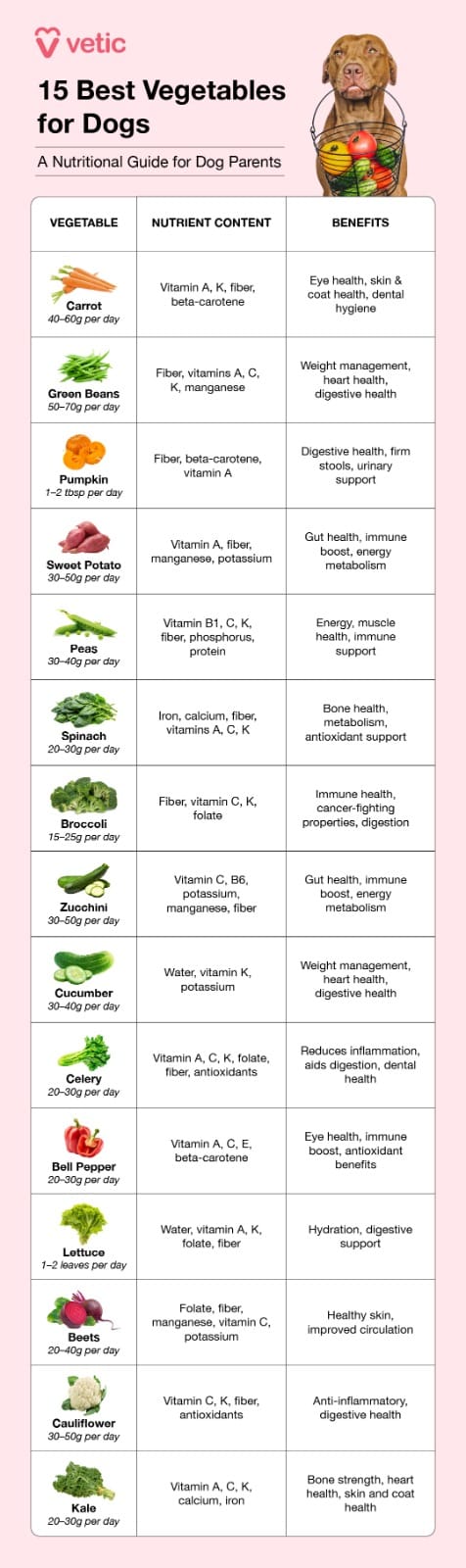
As responsible pet owners, we’re always looking for ways to enrich our dogs’ diets with healthy and wholesome ingredients. Vegetables can be a fantastic addition, offering a boost of vitamins, minerals, and fiber. However, not all vegetables are created equal when it comes to canine consumption. Some are incredibly beneficial, while others can be downright toxic. This guide will explore the diverse world of vegetables and help you determine which ones are safe and how to prepare them for your furry companion. Always consult your veterinarian before introducing any new foods to your dog’s diet, as individual health conditions and dietary needs can vary significantly.
Safe Vegetables for Your Canine Companion
Many vegetables, when prepared correctly, can be a nutritious treat for your dog. Here are some of the best options:
Bell Peppers
Available in various colors, bell peppers are a safe and healthy choice. They are packed with essential vitamins like A, B6, and E, as well as antioxidants such as vitamin C and beta-carotene. These nutrients contribute to healthy skin, coat, and vision in dogs.
Broccoli
Broccoli is a good source of fiber, but be mindful that it can cause gas in some dogs. It also contains antioxidants, digestible plant protein, and a range of vitamins and minerals, including vitamin C, vitamin K, potassium, and magnesium.
Brussels Sprouts
These mini cabbages are rich in fiber, antioxidants, and vitamins A, B1, B6, C, and K. However, feeding too many can lead to flatulence and digestive upset.
Butternut Squash
Butternut squash is a powerhouse of vitamin C, supporting your dog’s immune system. Its high fiber content and abundance of antioxidants also make it a beneficial addition to their diet.
Cabbage
Cabbage offers antioxidants and fiber, aiding in your dog’s digestive health. It also provides folate, protein, and various vitamins and minerals. Like broccoli and Brussels sprouts, it can contribute to increased flatulence.
Carrots
Carrots are an excellent low-calorie, high-fiber treat. They are rich in beta-carotene, which the body converts to vitamin A, promoting good vision and skin health. Their natural sweetness makes them a hit with most dogs, offering a satisfying crunch. However, due to their sugar content, they should be given in moderation.
Cauliflower
Low in calories, cauliflower is a healthy treat that provides vitamins C and K, calcium, potassium, and folate. Its high fiber content may cause gassiness.
Celery
Celery is highly hydrating due to its water content and is also low in calories and high in fiber. It contains vitamins A, B, C, and K, along with folate, potassium, and manganese. Remember to remove the strings before serving.
Cucumbers
With a water content of 96%, cucumbers are incredibly hydrating for dogs. They are low in calories and sugar and provide potassium, magnesium, vitamin C, and vitamin K.
Green Beans
Green beans are a nutritious option, offering vitamins A, B6, C, and K, plus protein, iron, calcium, and fiber. They are low in calories, help dogs feel full, and possess a natural sweetness that most dogs enjoy.
Lettuce
Lettuce, including romaine, arugula, and iceberg varieties, is a low-calorie, high-fiber, and hydrating vegetable for dogs. However, it’s important to note that spinach and kale should be given in moderation due to potential risks in large quantities.
Mushrooms
Plain, washed white mushrooms from the grocery store are safe for dogs. It is crucial to avoid any wild mushrooms, as many are toxic and difficult to identify.
Peas
Peas are a good source of vitamins A, C, and K, iron, and potassium. Their fiber content and antioxidants can help reduce inflammation.
Pumpkin
Pure pumpkin is renowned for its ability to regulate digestion and prevent constipation in dogs. It’s rich in antioxidants and provides vitamins A, C, and E, potassium, and iron. Opt for plain, canned pumpkin without additives.
Spinach
Spinach is safe for dogs in small amounts. However, it contains oxalates and isothiocyanates, which can lead to kidney and bladder stones or gastric irritation if consumed in large quantities.
Sweet Potatoes
Sweet potatoes are high in fiber and a great source of vitamin A, benefiting skin, coat, and eye health. They must be cooked before serving to your dog.
Zucchini
Zucchini is a safe, low-calorie, and low-fat vegetable for dogs. It’s packed with fiber, antioxidants, and essential vitamins and minerals.
Vegetables Toxic to Dogs
Certain vegetables are toxic to dogs and should be strictly avoided. If your dog ingests any of these, especially in large amounts, contact your veterinarian immediately.
Onions, Garlic, Leeks, and Chives
These members of the allium family are highly toxic to dogs and can cause vomiting, diarrhea, stomach pain, nausea, and red blood cell rupture.
Wild Mushrooms
Never allow your dog to consume wild mushrooms. The sheer variety and difficulty in identifying toxic species make it a significant risk. Always ensure your dog does not forage for or eat mushrooms found outdoors.
Preparing and Serving Vegetables Safely
When preparing vegetables for your dog as a treat, follow these guidelines:
- Wash thoroughly: Ensure all vegetables are clean.
- Keep them plain: Avoid any seasonings, spices, herbs, or oils.
- Cut into appropriate sizes: Small, bite-sized pieces prevent choking hazards.
Remember that treats, including vegetables, should constitute no more than 10% of your dog’s total daily diet. The remaining 90% should come from a well-balanced dog food diet.
Frequently Asked Questions About Dogs and Vegetables
What raw vegetables can dogs eat?
Dogs can safely eat raw bell peppers, broccoli, carrots, cauliflower, lettuce, spinach, and zucchini. Raw pumpkin, squash, and sweet potatoes are not recommended; they should be cooked first.
What canned vegetables can dogs eat?
Safe canned vegetables for dogs include green beans, pumpkin, spinach, and peas, provided they are unsalted and prepared without additives.
What vegetables are commonly found in dog food?
Common vegetables in commercial dog food include sweet potatoes, potatoes, carrots, green beans, peas, broccoli, beets, corn, kale, spinach, and soybeans.
Which vegetables can cause gas in dogs?
Vegetables high in fiber and certain sugars can lead to gas in dogs as they ferment in the gut. These include broccoli, peas, cauliflower, Brussels sprouts, and cabbage.
