
Navigating the vast array of dog food options can be overwhelming, especially when trying to determine What Type Of Meat Should I Feed My Dog. From chicken and beef to lamb and exotic proteins, each offers unique nutritional benefits crucial for your canine companion’s health. While diet rotation is often recommended to provide a diverse range of nutrients, understanding the specific contributions of different meats is key to making informed decisions for your pet’s well-being. This guide, featuring insights from board-certified nutritionist Sally Perea, DVM, MS, DACVIM, will explore the most common meats in dog food, highlighting their nutritional value and what makes them so beneficial for our beloved dogs.
Why Meat is Essential for Your Dog’s Diet
“High-quality meat is an excellent source of protein,” says Dr. Perea. Protein is fundamental for building and repairing tissues, supporting muscle growth, and maintaining overall health in dogs. Beyond just muscle, protein is vital for countless bodily functions, from enzyme production to hormone regulation.
Dr. Perea further explains, “Additionally, meats provide all the essential amino acids that dogs cannot produce on their own, making them necessary components of a balanced diet.” These amino acids are the building blocks of protein, and a complete profile is critical for optimal health. “Moreover, meats serve as a good source for various vitamins and minerals crucial for a dog’s well-being, such as B vitamins, iron, zinc, and selenium.” These micronutrients support metabolism, immune function, and contribute significantly to skin and coat health. “Plus, meats are highly palatable for dogs, helping to enhance enjoyment at meal times, even for a typically fussy eater.”
While dogs are omnivores and rely on more than just meat for their dietary requirements, selecting dog food with high-quality meat is a significant step towards a nutritious diet. It’s important to differentiate between processed meats and whole, lean options to ensure your dog receives the best possible nutrition.
Popular Meats and Their Nutritional Benefits
Understanding the specific benefits of each meat type can help you decide what type of meat should I feed my dog for optimal health.
Chicken
Chicken is a cornerstone ingredient in many dog foods for excellent reasons. “It’s a lean source of protein, essential for your dog’s energy and muscle health,” explains Dr. Perea. Its high protein content supports daily activity levels and helps maintain strong musculature. “Additionally, chicken provides omega-6 fatty acids, promoting healthy skin and a glossy coat.”
Beyond protein and healthy fats, chicken is a powerhouse of vitamins and minerals. “Not only that, but chicken provides vitamins and minerals like vitamins B6 and B12, crucial for glucose production, red blood cell formation, and nervous system function,” Dr. Perea adds. “Chicken also contains zinc, vital for immune system support and thyroid function in dogs, along with selenium, which is important for metabolism function.” If you opt to prepare chicken yourself, always ensure it is thoroughly cooked. Feeding raw or undercooked chicken can expose your dog to bacteria like salmonella, similar to humans. Also, if preparing homemade meals, consulting with a veterinary nutritionist is crucial to ensure a complete and balanced diet.
Beef
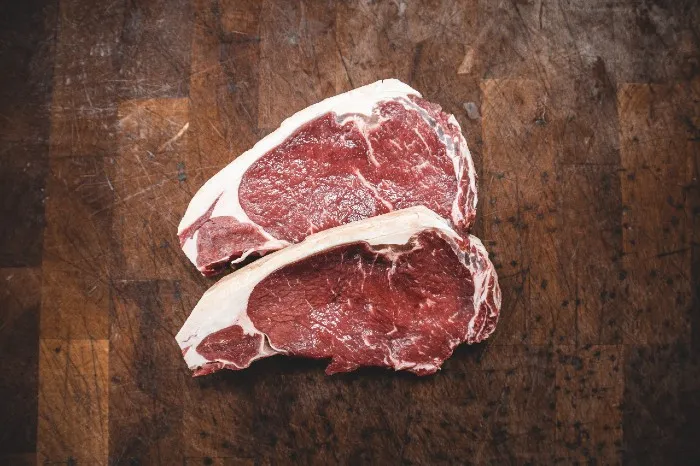
Much like chicken, beef is widely available and can be a delicious, nutrient-dense option for dog food. “Beef is an excellent source of protein and has a wide variety of nutrients including vitamin B12 and B6, zinc, iron, magnesium, potassium, and sodium,” says Dr. Perea. “With similar benefits to chicken, beef protein will give your dog energy, maintain their healthy coat, and support their immune system.”
While lean beef, such as grass-fed options, makes a great meal, some commercial foods may use rendered beef. Rendering is a high-pressure and high-temperature process to ensure the safety of the final meat meal, defining a dry rendered product from beef tissues, exclusive of blood, hair, hoof, horn, hide trimmings, manure, stomach, and rumen contents. Although the protein digestibility of rendered meat meals can vary, they still offer valuable proteins, fats, and minerals. Conversely, it’s best to avoid feeding fatty cuts of beef like ribeye or T-bone steak, as these can lead to gastrointestinal upset. Furthermore, never give your dog beef bones, corned beef, or seasoned human foods like hamburgers, as these can be detrimental to their health. For more guidance on what foods to avoid, check out what not to give a dog to eat.
Turkey
“Turkey is an excellent protein source for dogs. It is a lean meat that can be gentler on digestion than fatty red meats. It’s also packed with protein, low in fat, and rich in essential amino acids and omega-6 fatty acids,” Dr. Perea highlights. This makes turkey an ideal choice for dogs needing a lighter protein option.
When offering turkey as a treat or meal, ensure it is cooked and completely unseasoned. Turkey skin and some ground turkey varieties can have higher fat content, so always check the label and choose lean versions. As with all poultry, bones are strictly off-limits due to choking hazards and potential internal injuries. Any home-prepared turkey diet should be balanced with the guidance of a veterinary nutritionist.
Lamb
“Lamb, like any other meat mentioned, is a great source of protein and a tasty option for dogs with intolerances to chicken, or with sensitive stomachs,” says Dr. Perea. Its distinct flavor and often easier digestibility make it a valuable alternative for many dogs, providing essential nutrients without triggering sensitivities.
Duck
“Duck, similar to other poultry, is rich in omega-6, which can be good for maintaining a healthy skin and coat,” notes Dr. Perea. It serves as an excellent alternative for dogs who may not tolerate chicken or simply prefer a different flavor profile. Like other meats, duck is a good source of iron and protein.
Dr. Perea emphasizes, “Duck is a lean source of protein that is low in saturated fat and contains healthy polyunsaturated and monounsaturated fats, which provides your dog with energy.” This makes duck a highly nutritious choice, contributing to sustained energy levels and overall vitality.
Fish
High in protein and rich in omega-3 fatty acids, fish like salmon or tuna can be a highly beneficial and delicious option for your dog. “Fish provides a great source of protein, is relatively low in saturated fats, and is easily digestible as a cooked product,” Dr. Perea explains.
“Fish is considered a novel protein in many commercial diets, which may be beneficial to dogs with food intolerances, allergies, or other dietary sensitivities.” This makes it an excellent choice for dogs struggling with common protein allergies. “Fish is also a good source of several key vitamins and minerals that play important roles in maintaining your dog’s health throughout her life.” These include Vitamin D, B vitamins, and iodine, all crucial for various bodily functions.
Venison
Venison, though less common, is an equally nutritious, natural, lean meat found in some premium dog foods. “Venison offers a dual benefit for your dog’s well-being,” says Dr. Perea. “Firstly, venison is a highly digestible and lean protein source, making it gentle on your dog’s digestive system.” This is particularly beneficial for dogs with delicate digestive systems.
“Again, venison is a novel protein, so it’s less likely to trigger ingredient sensitivities,” she adds. Its unique protein structure makes it a valuable option for eliminating common allergens from a dog’s diet.
Rabbit
For those seeking a truly lean option, rabbit meat is an excellent choice. “Rabbit is rich in protein and leaner than many other protein sources such as beef, pork, dark meat chicken, or lamb,” says Dr. Perea. “This is a good protein source for dogs needing a nutritious treat that is lower in calories and fat.” This makes rabbit ideal for weight management or for dogs with pancreatic issues who require low-fat diets. For more specific dietary needs, especially concerning what a Shih Tzu can or cannot eat, refer to our article on what can shih tzu not eat.
Offal (Organ Meat)
Offal, or organ meat, is an underrated ingredient, often packed with a higher concentration of nutrients than muscle meat. “Compared to regular cuts of muscle meat, offal is packed with a range of essential nutrients like vitamins A, B, and D, as well as vital minerals such as iron, zinc, and selenium,” says Dr. Perea. “These nutrients provide benefits for your dog’s overall health and well-being.”
“It’s common for pet food to contain offal,” she notes, reflecting its recognized nutritional value. Including organ meats like liver, heart, and kidney can significantly boost the micronutrient profile of your dog’s diet.
 Variety of raw meats including chicken, beef, and fish, with vegetables, representing diverse protein sources for a healthy dog diet
Making the Right Choice: What Meat Should You Feed Your Dog?
When considering what type of meat should I feed my dog, the general rule is to opt for lean, nutritious, meat-based dog food. Your dog will then reap the benefits of the meat, along with other essential ingredients needed for a balanced diet. However, there are some critical do’s and don’ts to keep in mind:
Do’s:
- Do speak to your vet if you’re trying a new food or are concerned about any food allergies or sensitivities. They can provide tailored advice for your dog’s specific health needs.
- Do feed your dog nutritious dog food with a high-quality protein source as its main ingredient. Look for whole meat listed first on the ingredient list.
- Do work with a veterinary nutritionist if you plan on home-cooking for your dog to ensure the diet is complete and balanced, meeting all their nutritional requirements.
Don’ts:
- Don’t feed your dog cooked bones from meat, as they can splinter and become a choking hazard or cause internal injuries.
- Don’t feed your dog table scraps that include seasoning, as certain seasonings such as garlic or onion can be highly toxic for dogs.
- Don’t give your dog highly processed meats such as bacon or sausages, as they are typically high in fat, salt, and preservatives, which are unhealthy for dogs.
- Don’t only feed your dog meat, as dogs need a complete and balanced diet that includes carbohydrates, fats, vitamins, and minerals from various sources, not just protein.
Conclusion
Choosing the right type of meat for your dog’s diet is a crucial aspect of responsible pet ownership. As highlighted by Dr. Sally Perea, different meats offer distinct nutritional profiles, all contributing to your dog’s overall health, energy, and well-being. From lean chicken and beef to novel proteins like venison and nutrient-dense offal, each can play a valuable role in a balanced diet.
Ultimately, the best approach is to provide a diet rich in high-quality, appropriately prepared meats, while ensuring it is complete and balanced with other essential nutrients. Always prioritize your dog’s individual needs, considering any allergies or sensitivities. When in doubt, consulting with your veterinarian or a board-certified veterinary nutritionist is the best way to determine what type of meat should I feed my dog to ensure they thrive.
References
- AAFCO. (n.d.). AAFCO OP. Retrieved from https://www.dogfoodadvisor.com/canine-nutrition/what-is-aafco/
