
As a devoted pet owner, ensuring your dog’s health and happiness is paramount. This often involves carefully considering their diet and what treats are safe and beneficial. You might be wondering if cheese, a popular human food, is a safe and healthy addition to your dog’s diet. While cheese can offer some nutritional benefits, it’s crucial to understand the types of cheese that are safe, the potential risks, and how to incorporate it in moderation. This guide will explore the ins and outs of feeding cheese to your canine companions.
Understanding Cheese and Your Dog’s Diet
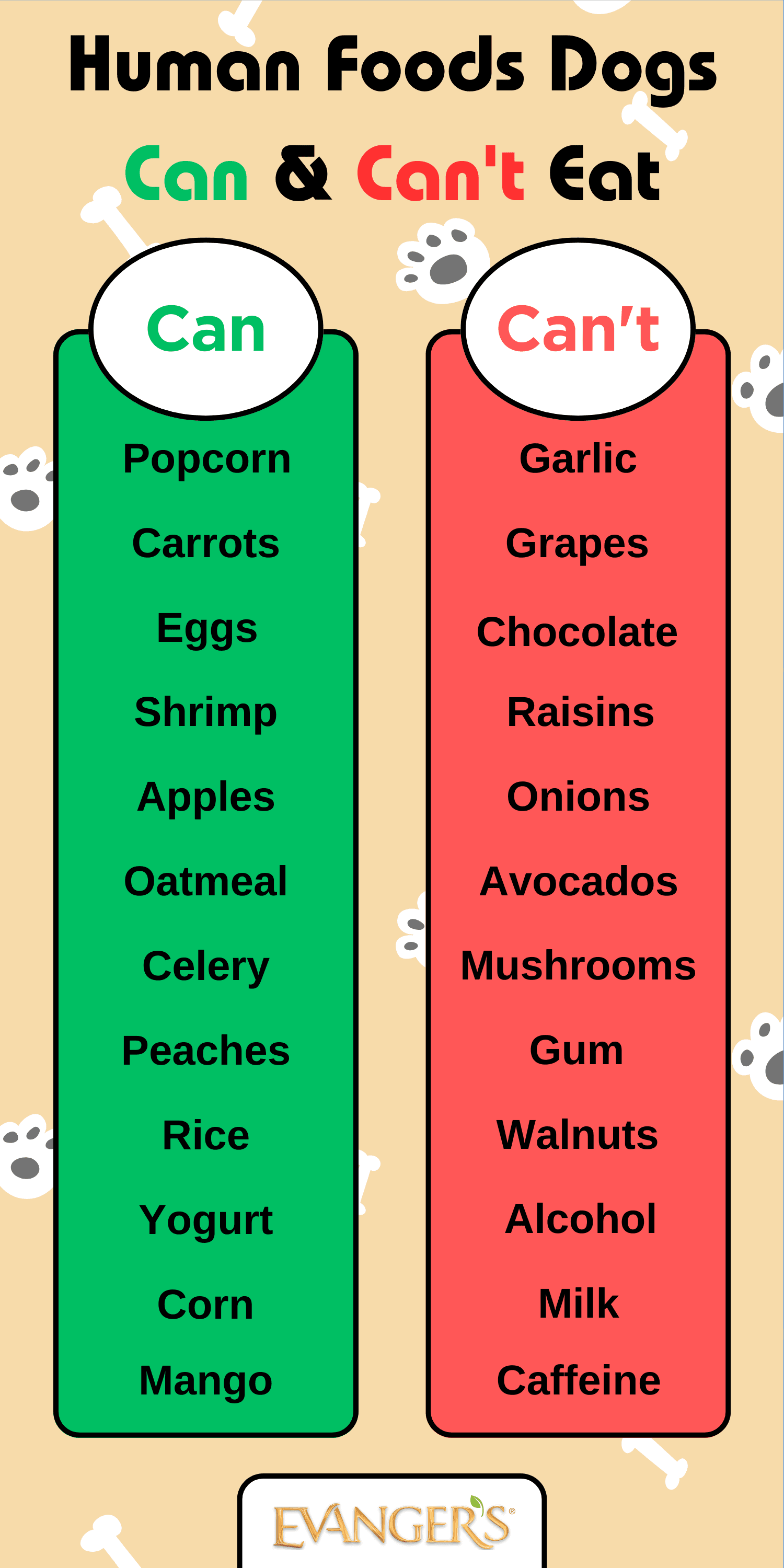
Cheese is often viewed as a high-fat, high-calorie “junk food” by many dog owners. However, it also provides essential nutrients such as protein, vitamins, and minerals that are important for your dog’s overall well-being. One serving of cheese can contain as much calcium as a cup of milk, providing a significant portion of a dog’s daily phosphorus requirement. Furthermore, cheese contains butyrate, a fatty acid that has been linked to cancer prevention. Despite these benefits, it’s important to remember that excessive consumption of cheese can lead to digestive issues like diarrhea due to its lactose and fat content. Therefore, moderation is key when offering cheese as a treat. It’s also wise to consult resources on what human food can dogs eat and what you do not feed a dog to ensure a balanced diet.
Beneficial Cheeses for Your Canine Companion
Several types of cheese can be safely offered to dogs in moderation, providing them with valuable nutrients:
Mozzarella
Mozzarella is a readily available cheese with a good nutritional profile, including vitamins A and D. A 1.5 oz serving contains approximately 18.3 mg of calcium, along with phosphorus, potassium, protein, and sodium. Its relatively lower fat content compared to other cheeses makes it a good option for occasional treats.
Cheddar
Cheddar cheese is a popular choice and is suitable for dogs due to its lower lactose content. It serves as an excellent source of calcium, protein, potassium, and zinc. Its savory flavor can make it a highly motivating treat during training.
Gouda
Gouda cheese is a good source of protein and an excellent source of calcium, also containing a notable amount of zinc. While it can cause diarrhea in some dogs if consumed in large quantities, it is generally safe when given in moderation.
Swiss Cheese
Swiss cheese offers a reasonable amount of vitamins A and D, as well as adequate calcium and phosphorus, making it a nutritious option for your dog.
Feta
Feta cheese, typically made from sheep’s, goat’s, or cow’s milk, has a distinct salty flavor and crumbly texture. It is high in calcium, with about 19.5 mg per 1.5 oz serving. Some believe that the probiotics in feta can help boost a dog’s mood and reduce anxiety.
Cheeses to Strictly Avoid
While many cheeses are safe in moderation, some types pose significant health risks to dogs and should be entirely avoided:
Cheeses with Harmful Additives
It is crucial to avoid giving your dog cheeses that contain added ingredients like garlic, onions, or other herbs, as these can cause stomach upset, diarrhea, and vomiting. Additionally, cheeses with preservatives such as nitrates, stuffing, or processed components should be kept away from your dog, as these ingredients can be toxic. Always check the ingredient list to ensure there are no harmful additives. Understanding what can dogs not eat or drink is vital for their safety.
Unpasteurized Cheeses
Unpasteurized cheeses, while sometimes enjoyed by humans, are not suitable for dogs, especially older dogs. They can contain Listeria, a harmful bacteria that can pose a serious threat to your dog’s health. Always opt for pasteurized dairy products for your pets.
Blue Cheese
Blue cheese presents a significant risk to dogs, not just due to its high-fat content but primarily because of the mold used in its production. Dogs lack the necessary enzymes to properly digest the mold, which can lead to severe gastrointestinal distress, including diarrhea and vomiting. It is best to keep all varieties of blue cheese away from your dog.
Conclusion: Consult Your Veterinarian
As a responsible dog owner, your primary goal is to provide the best possible care for your furry friend. When in doubt about whether your dog can eat cheese or any other human food, always consult with your veterinarian. They can provide personalized advice based on your dog’s specific health needs, age, and any pre-existing conditions. For those looking for wholesome alternatives, consider exploring options like healthy dog treats in Australia made from natural ingredients, free from artificial preservatives, colors, and flavors. These can offer a safe and delicious way to reward your beloved pet. Remember, a balanced diet and informed choices are the cornerstones of a long and healthy life for your dog.
