
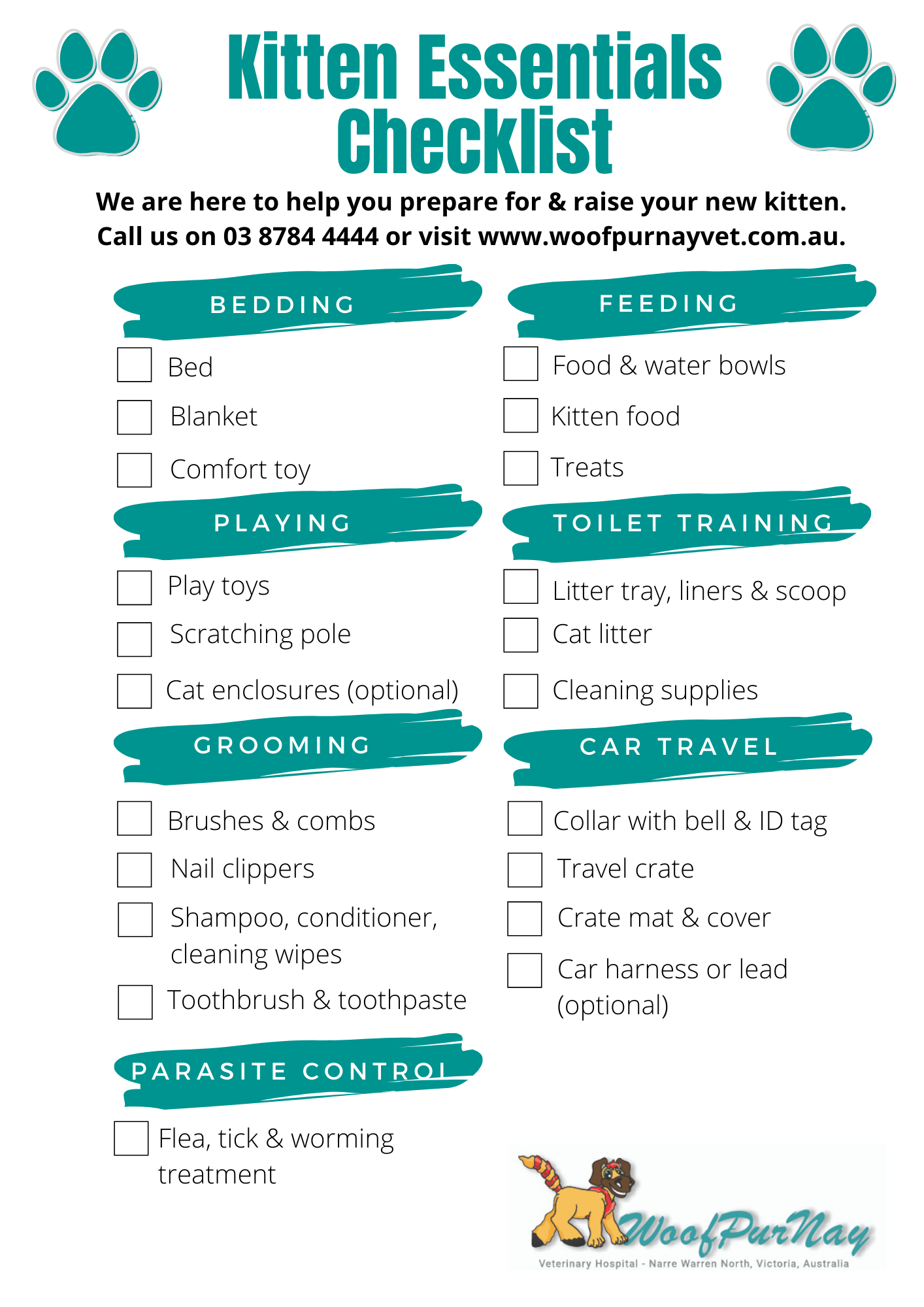
Bringing a new kitten into your home is an exciting experience. To ensure your feline friend grows into a well-behaved and happy companion, incorporating training from an early age is crucial. Kittens are intelligent creatures and can be successfully trained with patience and the right techniques. This guide provides eight essential training tips to help you and your new kitten get started on the right paw.
Training Your Kitten to Sit On Command
Teaching your kitten to sit on command is a foundational skill that can be a gateway to more complex training. Start by using a clear verbal cue, such as “sit.” As soon as your kitten’s rear touches the ground, immediately offer positive reinforcement. This can be a clicker sound followed by a verbal affirmation like “yes” or “good job,” along with a small, high-value treat. If your kitten attempts to jump up for the treat before sitting, withhold it to signal that sitting is required to earn the reward. Consistency is key, and short, frequent training sessions are more effective than long, infrequent ones.
Encouraging Use of Their Bed and Crate
For a cat bed or crate to be useful, your kitten needs to accept it as a safe and comfortable space. This is particularly important for travel. You can encourage your kitten to use these spaces by associating them with positive experiences, such as mealtime. Place your kitten’s food bowl inside the bed or crate, allowing them to eat at their own pace. This helps them build a positive association and encourages them to explore and relax in these designated areas. Over time, they will come to view these spots as their own.
Developing Crucial Socialization Skills
The critical socialization window for kittens occurs between 2 to 7 weeks of age. During this period, exposure to various sights, sounds, people, and other animals is vital. A lack of socialization can lead to a timid cat that is easily frightened by changes in its environment. To foster good socialization, invite friends over to interact with your kitten, introduce them to other well-behaved pets, and consider taking them to pet-friendly public places on a leash, like a pet store or a farmer’s market. Make these experiences positive by using toys and treats, helping your kitten learn to enjoy social interactions. Learning how to teach a cat no is also part of this socialization process, ensuring they understand boundaries.
Teaching Safe Playing Techniques
Kittens have abundant energy, and playtime is an excellent opportunity for bonding and positive energy expenditure. However, it’s imperative to teach your kitten that claws and teeth are not to be used on human skin. Engage in play using toys like feather wands, balls, or catnip-filled mice. Redirect any attempts to bite or scratch your skin towards these toys. This teaches them appropriate play behavior and prevents the development of aggression. Roughhousing with hands or feet should be strictly avoided.
Getting Your Kitten Accustomed to Handling
Your kitten will need to tolerate being handled for various reasons, from veterinary visits to routine grooming. Start by gently holding your kitten in different positions, allowing them to become comfortable. Gradually introduce touch to different parts of their body, including their sides, back, and legs. Extend this to more sensitive areas like their ears, paws, and even their mouth and teeth. Early desensitization to handling will make tasks like ear cleaning or teeth brushing much easier as they grow.
Litter Training Your Kitten
Litter training is often intuitive for kittens, as they naturally seek out substrates for burying their waste. The primary step is to show your kitten the litter box. Place them in it, especially after waking up or eating, to encourage them to use it. Gently let them scratch the litter material to trigger their natural instincts. If your kitten experiences accidents, remain calm and clean the area thoroughly to eliminate any scent. Avoid punishing your kitten, as this can create fear and anxiety. For persistent issues, consult resources on how do u litter train a kitten.
Proper Feeding Etiquette
It’s essential to understand that many human foods, such as chocolate, garlic, onions, grapes, and raisins, are toxic to kittens. Beyond these dangers, feeding your kitten directly from the dinner table is discouraged. This can lead to begging behavior every time you eat and establishes unhealthy habits. Kittens should be fed food specifically formulated for felines, in appropriate portions and at consistent mealtimes. This ensures they receive the correct nutrition and learn a structured eating routine.
Training Your Kitten to Recognize Their Name
Teaching your kitten to respond to its name is a rewarding process that strengthens your bond. Consistently use your kitten’s chosen name whenever you address them. Pair their name with positive reinforcement, such as a clicker and a treat, when they look at you or come when called. Avoid using their name in conjunction with punishment or negative experiences, as this can lead to them associating their name with unpleasant events. Patience and repetition are key to successful name recognition.
Implementing these training tips will not only help your kitten become a well-adjusted pet but also deepen the connection you share. Remember that consistency, positive reinforcement, and understanding your kitten’s needs are the cornerstones of effective training.
For more insights into kitten care and training, explore resources on how to discipline your kitten and how to train a cat to use the toilet outside.
