
Bringing a new puppy home is an exciting time, filled with joy and new responsibilities. Among the most crucial aspects of their care is ensuring they receive a safe and nutritious diet. While it’s tempting to share your favorite snacks, many common human foods can be incredibly dangerous, even toxic, to your developing puppy. Understanding “what not to feed your puppy” is paramount to preventing illness, costly veterinary visits, and even potentially fatal incidents. This comprehensive guide, reviewed by veterinary experts, will help you navigate the complexities of canine nutrition, highlighting foods to avoid and offering safe alternatives to keep your furry companion healthy and thriving. For a broader understanding of canine dietary restrictions, explore what foods dogs can and cannot eat.
Why Certain Foods Are Toxic to Puppies
A puppy’s digestive system and metabolism are vastly different from a human’s, making them susceptible to substances we can safely consume. Their bodies process certain compounds much slower or differently, leading to rapid buildup and potentially severe toxicity. For example, the theobromine and caffeine in chocolate metabolize slowly in dogs and puppies, which can quickly become lethal. Similarly, while you might enjoy cherries, the cyanide found in their pits, stems, and leaves can be problematic in large quantities for your puppy, causing digestive upset or worse.
Food toxicity can also vary depending on your puppy’s size, breed, and overall health. Younger puppies, with their less developed immune and digestive systems, are particularly vulnerable. Therefore, it’s always best to consult your veterinarian if you have any questions about specific foods or if your puppy has ingested something questionable.
Common Foods Your Puppy Cannot Eat
Many everyday household foods pose a significant threat to puppies. While this list isn’t exhaustive, it covers the most common and dangerous items you should always keep out of your puppy’s reach.
1. Alcohol
Even tiny amounts of alcohol can have deadly effects on puppies, whose smaller body weight makes them far more susceptible than humans. Symptoms of alcohol poisoning in puppies mirror those in people, including vomiting, breathing difficulties, coma, or even death. Always keep alcoholic beverages and food products containing alcohol strictly away from your pup.
2. Apple, Apricot, Cherry, and Plum Seeds/Pits
While the fleshy part of an apple is safe (without the core and seeds), the seeds contain cyanide. Although small amounts might not immediately cause harm, it’s safest to avoid the core and seeds entirely. Apricot, cherry, peach, and plum seeds and pits also contain cyanide, which can lead to severe symptoms such as vomiting, irregular heartbeat, seizures, and even coma due to impaired oxygen transport in red blood cells.
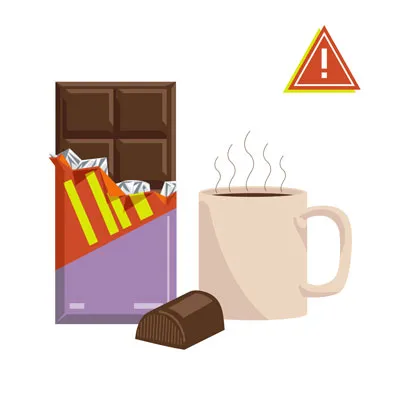 Assorted chocolate bars and cocoa powder, a highly toxic food for puppies
3. Chocolate
Chocolate toxicity is one of the most frequent causes of pet poisoning. Chocolate contains theobromine and caffeine, which puppies cannot metabolize effectively. The darker the chocolate, the higher the concentration of these toxic compounds. Some sugar-free chocolates may also contain xylitol, an artificial sweetener highly dangerous to dogs. Ingesting chocolate can lead to hyperactivity, vomiting, diarrhea, pancreatitis, abnormal heart rhythms, and seizures. If your puppy consumes any amount of chocolate, contact your veterinarian immediately.
4. Grapes and Raisins
Grapes and raisins are highly dangerous to puppies and can cause acute kidney failure. The exact toxic substance is tartaric acid, and even a few bites can wreak havoc on your puppy’s kidneys. Symptoms of grape or raisin poisoning include vomiting, diarrhea, loss of appetite, and changes in urination. This is a critical item to keep away from all dogs, especially vulnerable puppies.
5. Macadamia Nuts, Almonds, and Pistachios
Macadamia nuts are particularly toxic, causing symptoms like weakness, overheating, and vomiting, even in small quantities. While the exact mechanism is unknown, as few as six nuts can cause severe poisoning in a small puppy. Other nuts like almonds and pistachios, if unflavored and unsalted, generally aren’t toxic but can pose significant choking hazards or cause digestive upset due to their high-fat content. For more information on plant-based dangers, see what veggies can dogs not have.
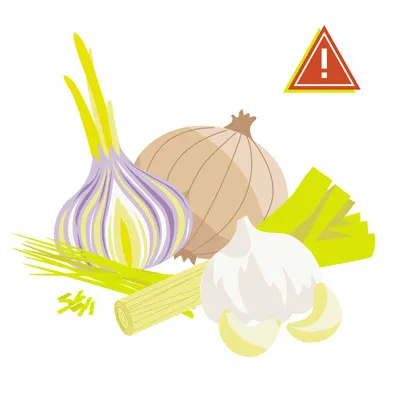 Assortment of allium vegetables: onions, garlic, chives, and leeks, toxic to puppies and dogs
6. Onions, Garlic, Chives, and Leeks
Members of the allium family—onions, garlic, chives, and leeks—are highly toxic to puppies and dogs. They contain sulfoxides and disulfides that can damage red blood cells, leading to anemia. Onion and garlic powders are present in many processed foods, so always check labels if you’re considering sharing human food. Certain Japanese breeds, like Akitas and Shiba Inus, are particularly sensitive, but all puppies are at risk.
7. Sugar-Free Gum and Candy (Xylitol)
Xylitol is an artificial sweetener common in sugar-free products like gum, candy, and some baked goods. In puppies, xylitol causes a rapid and dangerous drop in blood sugar, leading to weakness, seizures, and even liver failure. The amount of xylitol in just a few pieces of gum can be fatal to a small puppy. Always check ingredient lists for xylitol, especially in products marketed as “sugar-free.”
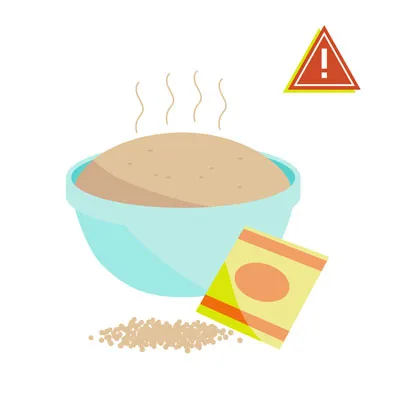 Raw bread dough, which can expand and ferment in a puppy's stomach, causing alcohol toxicity
8. Yeast and Raw Dough
Raw yeast dough is extremely dangerous for puppies. The dough can expand in their stomach, causing severe pain, bloating, and potentially life-threatening gastric torsion or rupture. Furthermore, the yeast and sugar in raw dough ferment, producing alcohol, which can lead to alcohol toxicity. This is a medical emergency requiring immediate veterinary attention.
Other Foods to Avoid
- Avocado: Contains persin, which can cause vomiting and diarrhea in some animals, and the large pit is a choking hazard and can cause GI obstruction.
- Broccoli: Contains isothiocyanates, which can be harmful in very large doses. Stalks can also cause choking.
- Caffeine and Coffee Grounds: Contains methylxanthines, causing potentially fatal vomiting, diarrhea, seizures, and irregular heartbeats.
- Fatty Cuts of Meat (Chicken/Turkey Skin, Ham): High fat content can cause acute pancreatitis, a life-threatening illness. Avoid turkey and chicken bones, as they can splinter and cause internal damage or obstruction.
- Milk and Dairy Products: Many puppies are lactose intolerant and can experience diarrhea and gas from cow’s milk. Ice cream is also bad due to high sugar and fat. Small amounts of low-fat cheese might be tolerated, but always observe your puppy.
- Mushrooms: Some varieties are highly toxic, causing kidney/liver failure, hallucinations, and red blood cell damage. It’s best to avoid all mushrooms unless explicitly confirmed safe by a vet.
- Nutmeg and Cinnamon: Nutmeg can cause hallucinations and severe vomiting due to myristicin. Cinnamon can irritate your puppy’s mouth and lead to low blood sugar.
- Salt: Excessive salt intake can disrupt fluid balance, leading to tremors, seizures, diarrhea, or coma.
- Spicy Food: Can cause vomiting, stomach ulcers, and diarrhea.
- Tomatoes (Green Parts/Unripe) and Raw Potatoes: Contain solanine, which is toxic. Ripe red tomatoes and cooked potatoes without additives are generally safe in moderation.
- Tobacco: Nicotine-containing products cause vomiting, diarrhea, agitation, abnormal heart rate, seizures, and can be fatal.
- Raw Meat: Poses risks of bacterial contamination (Salmonella, E. coli) and choking from bones.
- Rhubarb and Star Fruit: Contain soluble calcium oxalate crystals, which can bind with calcium and lead to kidney failure.
- Flavored and Seltzer Water: Stick to fresh, clean water. Flavored/carbonated waters can contain dangerous additives or cause bloating.
Puppies Most at Risk from Toxic Foods
While all puppies should avoid toxic foods, some are more vulnerable:
- Smaller Breeds: Due to their lower body weight, small puppies are more susceptible to toxins like chocolate, where a small amount can have a disproportionately large impact. For breed-specific concerns, you might consider articles like what can bichon frise not eat or what should i not feed my bulldog.
- Younger Puppies: Their digestive and immune systems are less developed, increasing their risk from various substances.
- Puppies with Pre-existing Conditions: Conditions like diabetes or kidney disease can make them even more vulnerable to food toxicities.
How to Prevent Your Puppy from Eating Toxic Foods
Accidents happen, but proactive steps can significantly minimize the risk:
- Store Foods Out of Reach: Keep dangerous items on high shelves, in secure cabinets, or in locked pantries where your curious puppy cannot access them.
- Avoid Feeding from Your Plate: Resist the urge to share food directly from your plate or while cooking. It reinforces begging behavior and increases the chance of accidental ingestion of harmful foods. Stick to treats specifically made for puppies.
- Educate Family and Guests: Ensure everyone in your household and any visitors understand the importance of not feeding your puppy human food, regardless of how much they beg.
- Be Extra Cautious During Holidays: Busy times, especially holidays, often involve more food left unattended. Maintain vigilance and designate a safe, food-free zone for your puppy.
What to Do if Your Puppy Eats Something Toxic
If your puppy consumes something toxic, immediate action is crucial.
First, familiarize yourself with common symptoms of food toxicity, which can include listlessness, distress, pain, vomiting, bloody stools, or a bloated, hard-feeling stomach.
If you suspect your puppy has eaten something dangerous:
- Call Your Veterinarian or Poison Control Immediately: Time is of the essence. Quick treatment significantly improves outcomes.
- Be Prepared with Information: Provide details such as the type of food eaten, the estimated amount consumed, and the time of ingestion.
- Avoid Home Remedies: Do not attempt home remedies like inducing vomiting unless explicitly instructed by your veterinarian, as some remedies can be more harmful depending on the toxin ingested. For guidance on caring for a sick dog, you may also find information on what is good to feed a sick dog.
Safe Food Alternatives for Your Puppy
While the list of forbidden foods is extensive, there are plenty of healthy human foods that your puppy can enjoy in moderation as treats. Always offer plain, unseasoned, and appropriately sized portions. Some popular safe choices include:
- Fruits: Apple slices (no core/seeds), blueberries, blackberries, cantaloupe, mango, peaches (no pit), pears (no core/seeds), pineapple, watermelon (no rind/seeds).
- Vegetables: Carrots, cucumber, celery, green beans, peas, cooked sweet potato.
- Protein Sources: Plain, cooked chicken or turkey (no skin, bones, or fat), plain cooked eggs, plain cooked fish (salmon, sardines, no bones).
- Other Treats: Small amounts of plain, low-fat cheese (if not lactose intolerant), air-popped, unsalted, unbuttered popcorn, plain corn (off the cob).
- Nut Butters: Unsalted peanut butter (check for xylitol!), small amounts of plain cashews or peanuts.
Always introduce new foods slowly and in small quantities to monitor for any adverse reactions.
Keep Your Puppy Safe and Healthy
Navigating the world of human foods for your puppy can feel overwhelming, but staying informed and vigilant is your best defense. By understanding “what not to feed your puppy” and being prepared for emergencies, you can protect your beloved companion from harm. Focus on providing a balanced commercial puppy food and supplementing with vet-approved, safe human treats in moderation. When in doubt, always consult your veterinarian – they are your best resource for ensuring your puppy enjoys a long, healthy, and happy life.
