
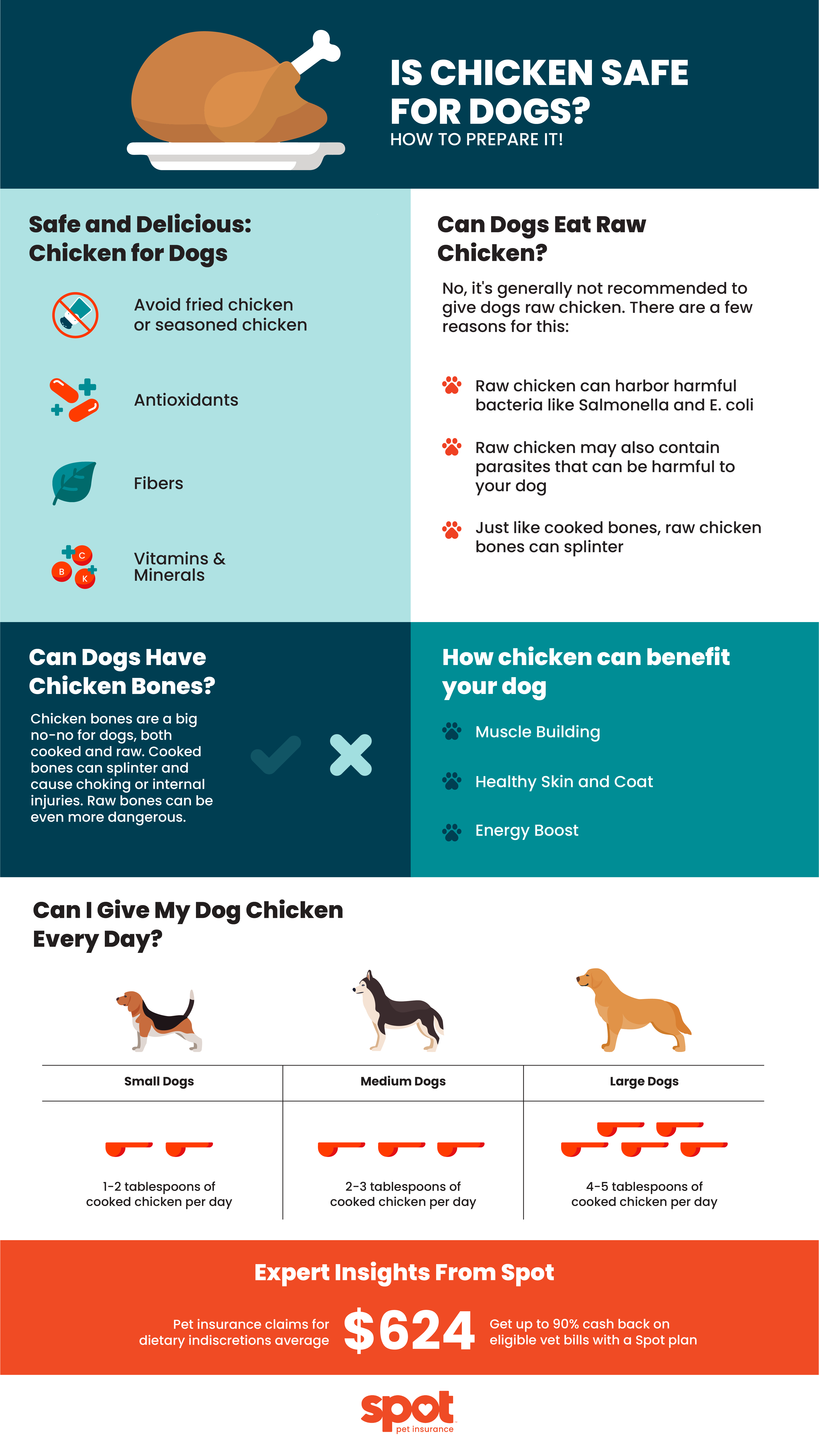
Encountering a situation where your dog has ingested a chicken bone can be a distressing experience for any pet owner. It’s crucial to know the right steps to take to ensure your dog’s safety and well-being. Chicken bones, especially when cooked, can splinter into sharp fragments, posing significant risks such as choking, internal blockages, or damage to the digestive tract. Understanding the potential dangers and having a clear action plan can make a critical difference in an emergency. This guide will walk you through the essential dos and don’ts if your dog happens to eat a chicken bone.
Immediate Actions to Consider
If you witness your dog consuming a chicken bone, the first and most important step is to remain as calm as possible. Your dog can sense your anxiety, which might exacerbate their distress.
- Issue a “Drop It” or “Leave It” Command: If your dog hasn’t fully swallowed the bone, a well-trained dog might respond to commands like “drop it” or “leave it.” If they drop the bone, closely monitor them to ensure no small pieces were ingested.
- Safely Remove from Mouth: If you can safely access your dog’s mouth, gently try to remove the bone or any visible fragments. Be cautious not to force anything, as this could push the bone further down or cause injury. Never yank or be rough, as this could lead to your dog panicking and biting down, potentially worsening the situation or causing you harm. Sometimes, gently pressing on the underside of your dog’s jaw can help dislodge the bone.
- Do Not Induce Vomiting: Attempting to make your dog vomit at home can be dangerous. The splintered bone fragments could cause further damage to the esophagus as they are expelled. Always consult your veterinarian before considering any at-home remedies for inducing vomiting.
Understanding the Risks
The primary concern with chicken bones is their tendency to splinter. The hollow nature of bird bones makes them brittle and prone to breaking into sharp shards when chewed.
- Choking Hazard: Small bone fragments can become lodged in your dog’s throat, leading to choking and potential suffocation.
- Internal Damage: Swallowed fragments can cause tears or perforations in the esophagus, stomach, or intestines. This can lead to serious internal bleeding and infection.
- Blockages: Larger pieces or a collection of fragments can cause a blockage in the digestive tract, requiring immediate veterinary intervention, potentially including surgery.
- Size Matters: Smaller dogs are at a higher risk of choking or experiencing blockages due to their smaller anatomy. However, larger dogs can still suffer from internal injuries caused by sharp fragments.
What NOT to Do
Several common pieces of advice regarding dogs eating chicken bones are actually harmful.
- Don’t Give Cotton Balls: The idea of feeding your dog cotton balls soaked in milk or oil is a myth and is dangerous. Cotton balls can expand and cause blockages or choking hazards themselves. They offer no benefit and can create a new set of problems.
- Don’t Panic: While it’s natural to be worried, panicking can lead to poor decision-making. Stay calm and focus on the steps you need to take.
When to Seek Veterinary Care
Contacting your veterinarian is paramount, regardless of whether your dog appears to be in distress.
- Immediate Call: If your dog shows any signs of distress, difficulty breathing, excessive drooling, or pawing at their mouth, call your vet immediately.
- Veterinary Assessment: Your vet can provide guidance over the phone and advise whether you should bring your dog in. They may recommend observation at home or an in-clinic examination.
- Diagnostic Imaging: In some cases, your vet might suggest an X-ray to pinpoint the location and size of the bone fragments, helping them determine the best course of action.
Supportive Measures and Monitoring
If your dog has swallowed a bone and doesn’t appear to be choking or in immediate distress, certain supportive measures may be recommended by your vet.
- Offer Soft Food and Water: Giving your dog a small amount of soft food, like white bread, or encouraging them to drink water can help. The soft food may coat the bone fragments, potentially protecting the digestive tract lining as they pass. Some believe that bone broth can help dissolve the bones due to stomach acids, but this is not a substitute for professional veterinary care.
- Monitor Closely: For at least 24-48 hours after your dog has eaten a chicken bone, observe them vigilantly for any unusual symptoms. Signs of internal distress can include:
- Lethargy or unusual fatigue
- A bloated or painful abdomen
- Loss of appetite
- Vomiting
- Blood in stool or vomit
- Difficulty defecating or straining
- Apparent discomfort or whining
If you notice any of these symptoms, or if your intuition tells you something is wrong, seek veterinary attention immediately. You know your dog best, and trusting your instincts is crucial.
Conclusion
Preventing your dog from accessing chicken bones is the best approach. Store cooked bones securely and be mindful of what you feed your dog. If your dog does eat a chicken bone, remember to stay calm, assess the situation, and most importantly, contact your veterinarian. Professional guidance is essential to ensure your dog receives the appropriate care and to mitigate potential health risks.
If you are in the Westminster, CO area and need assistance with a pet emergency or have concerns about your dog’s health, the experienced veterinarians at Arrowhead Animal Hospital are available to help. You can reach them at [ (303) 469-1616 ] for compassionate and expert care.
