
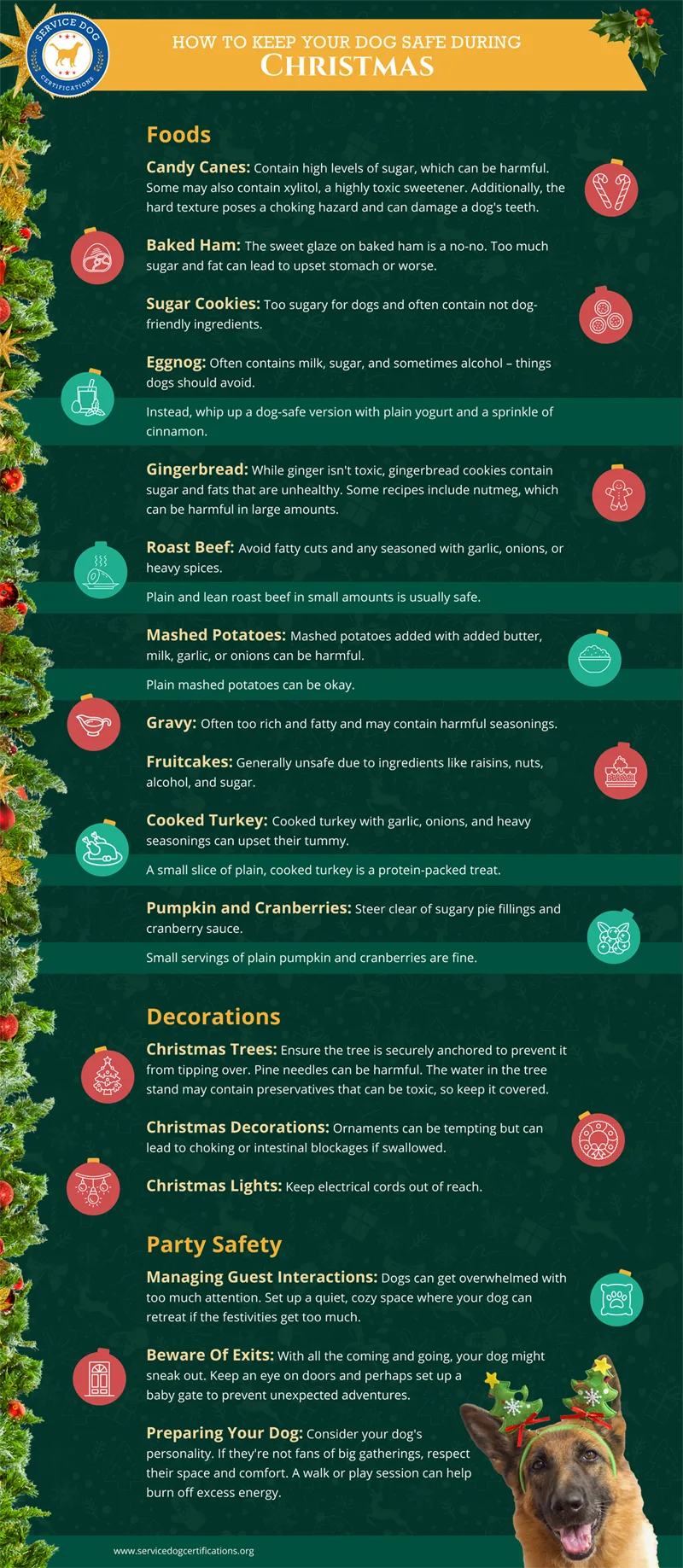
As the festive holiday season approaches, the aroma of delicious feasts, especially ham, fills the air. While it’s tempting to share these culinary delights with our beloved canine companions, it’s crucial for pet parents to understand that ham, despite its appeal, is not a suitable food for dogs and can pose significant health risks. This article will delve into why feeding ham to your dog is a cause for concern and what steps to take if your pet has ingested it.
Why Ham is a Risky Treat for Dogs
Ham is a popular holiday staple, but its rich, salty composition makes it problematic for dogs. The primary concerns stem from its high fat and sodium content, which can lead to serious health issues.
1. Pancreatitis: The Fat Content Threat
Ham is considerably higher in fat compared to many standard dog foods and other lean meats. Consuming high-fat foods like ham can trigger pancreatitis, an inflammation of the pancreas. This condition can manifest with severe symptoms including:
- Vomiting
- Diarrhea
- Dehydration
- Significant abdominal pain
These signs may not appear immediately but can develop hours to days after the ingestion of fatty food.
2. Sodium Poisoning: A Salty Danger
Beyond its fat content, ham is notoriously high in salt. Excessive sodium intake can lead to a condition known as salt toxicity in dogs, characterized by:
- Increased thirst and water consumption
- Vomiting
- Diarrhea
- Abdominal pain
In severe cases, particularly if a large quantity of ham is consumed, dogs may experience more critical symptoms such as muscle weakness, seizures, high blood pressure, and a worsening of pre-existing heart conditions. The effects of salt toxicity can become apparent within hours as the body attempts to process the absorbed salt.
What to Do If Your Pet Eats Ham
The course of action depends largely on the amount of ham your pet has consumed.
If your dog has only managed to sneak a few small bites of ham, it is generally advised to monitor them closely for any signs of pancreatitis or salt toxicity over the following hours and days. Should any concerning symptoms arise, immediate veterinary attention from your family veterinarian or a local animal emergency hospital is recommended.
However, if your pet has ingested a large quantity of ham, it is considered an urgent situation. You should seek immediate care at your local animal emergency hospital to begin managing the potential symptoms and mitigate risks. This is classified as an “ORANGE” – or urgent case – on the Fast Track Triage system, and contacting a poison control center like the ASPCA Animal Poison Control at 888-426-4435 is advisable for immediate guidance.
Treatment Options for Ham Ingestion
The treatment plan for a dog that has eaten ham will be tailored to the amount consumed and the time elapsed since ingestion. Common veterinary interventions include:
- Early Intervention (within 1-2 hours): If a large amount of ham was eaten recently, a veterinarian may induce vomiting to minimize the absorption of fat and salt, thereby reducing the risk of toxicity and pancreatitis.
- Delayed Intervention (several hours later): If too much time has passed for induced vomiting to be effective, diagnostic tests like bloodwork will be performed to assess the pet’s salt levels. Treatment may involve hospitalization for intravenous (IV) fluid therapy to help dilute the salt in the bloodstream. In some cases, outpatient care with subcutaneous fluids and anti-nausea medication may be sufficient.
- Sodium Poisoning Management: Prognosis varies based on the quantity ingested and the pet’s overall health. Treatment focuses on supportive care, including managing nausea and diarrhea, and carefully administered IV fluids over an extended period to normalize salt levels.
- Pancreatitis Treatment: This condition can range from mild to severe and, in rare instances, can be fatal. Treatment primarily involves supportive care, such as ensuring adequate hydration, managing pain, administering anti-nausea medication, providing a bland diet, and treating any diarrhea. Pancreatitis in pets requires diligent veterinary care.
Preventing Ham Ingestion: Holiday Safety Tips
To ensure a safe and happy holiday season for your pet, it’s essential to prevent them from accessing ham and other holiday foods.
- Secure Storage: Keep all holiday foods, especially ham, securely stored and well out of your pet’s reach. Never leave tempting foods unattended where your pet might get to them.
- Kitchen and Dining Area Management: Consider keeping your pets out of the kitchen and dining areas during meal preparation and mealtimes to avoid accidental ingestion or begging.
- Stick to Regular Diets: The safest approach is to resist the urge to share any human food, including ham, with your dog. Adhering to their regular, balanced diet is paramount for their health and well-being.
By taking these precautions, you can help keep the holiday season merry and bright for both your family and your furry companions, ensuring that the holiday ham remains off Fido’s menu.
If your pet requires veterinary attention during the holiday season, remember that emergency services are often available 24/7. Always call ahead to inform the clinic of your arrival and your pet’s situation.
