
What to do if a dog eats chicken bones is a question that often arises among pet owners, especially those with inquisitive and adventurous canine companions. The innocent act of scavenging can quickly turn into a worrisome situation if your dog decides to indulge in a forbidden snack like chicken bones. This article aims to provide comprehensive guidance on navigating this common concern, offering insights into the potential risks, immediate actions, and long-term preventive measures you can take to safeguard your beloved pet. We will delve into the dangers associated with different types of chicken bones, explore the signs of distress to watch out for, discuss home remedies and when to seek veterinary attention, and finally, highlight strategies for preventing similar incidents in the future. By understanding the complexities of this issue and implementing the advice provided, you can be better prepared to ensure your furry friend’s well-being and enjoy a harmonious relationship filled with love and understanding.
Understanding the Risks of Chicken Bones
The innocent act of a dog enjoying a tasty treat can quickly turn into a cause for concern if that treat happens to be chicken bones. While the occasional nibble of a raw bone might seem harmless, the risk associated with chicken bones, particularly cooked ones, is something every dog owner should be aware of. The inherent structure of chicken bones, their propensity to splinter, and the potential for causing internal damage makes them a significant hazard to our canine companions. Understanding the potential dangers is crucial for taking swift and appropriate action should your dog encounter and consume chicken bones.
Types of Chicken Bones: Cooked vs. Raw
The first crucial step in understanding the risks associated with chicken bones is recognizing the fundamental differences between cooked and raw chicken bones. This distinction is pivotal in assessing the severity of the situation and determining the appropriate course of action if your dog ingests them.
Cooked chicken bones undergo a transformation during the cooking process, which makes them far more dangerous than their raw counterparts. The heat applied during cooking alters the bone’s structure, making them brittle and prone to splintering. These sharp fragments can easily pierce the delicate tissues of your dog’s mouth, throat, and digestive tract. Imagine a toothpick or sliver of wood – that’s the type of sharp edge that cooked chicken bones can develop, and this presents a considerable choking hazard and risk of internal injuries.
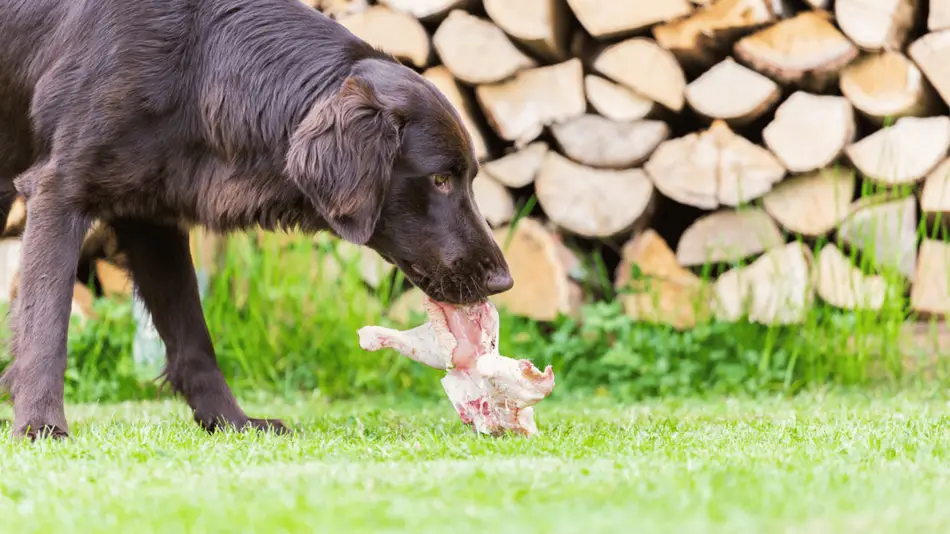
Raw chicken bones, on the other hand, are generally more flexible and less likely to splinter into sharp, dangerous pieces. While not completely risk-free, they have a higher chance of being digested safely due to their softer and more pliable structure. However, it’s still vital to exercise caution and consider factors like the size and breed of your dog. Smaller breeds are more susceptible to choking on raw bones due to their comparatively smaller throat and esophagus. It’s also important to note that even raw bones can potentially cause gastrointestinal issues, like blockages, if consumed in large quantities or if the dog is prone to digestive sensitivities. The safest approach is to avoid offering bones to your dog altogether in order to maximize their chance of a healthy, complication-free life.
what to do if a dog eats chicken bones
The potential health hazards associated with chicken bones largely depend on the type of bone, the size and breed of the dog, and the quantity ingested. Despite the seemingly innocent nature of a bone, the consequences of consuming them, particularly cooked chicken bones, can range from mild discomfort to severe, life-threatening conditions requiring urgent medical intervention.
The most immediate and concerning risk is choking or obstruction of the airway. A piece of a splintered chicken bone can become lodged in the dog’s throat, blocking the passage of air and causing immense respiratory distress. This is a true emergency, requiring swift action to prevent suffocation. Symptoms can include difficulty breathing, gagging, coughing, and excessive drooling. In such cases, immediate intervention, possibly involving the Heimlich maneuver if you’re trained in its use, could be life-saving.
Beyond the immediate risks of choking, splintered chicken bone fragments can damage the lining of the mouth and throat, leading to painful cuts and infections. As these fragments travel along the digestive tract, they can lacerate the stomach and intestinal walls, resulting in internal bleeding and severe abdominal pain. The risk is particularly high in smaller dog breeds or dogs with a history of sensitive stomachs.
The presence of splintered bones within the digestive tract can also lead to blockages, which can impede the passage of food and waste. Depending on the location and severity of the blockage, this can cause vomiting, loss of appetite, constipation, or abdominal swelling. A digestive blockage can be extremely serious if left untreated and could require surgery to remove the bones.
Initial Reactions and Immediate Steps

When faced with a situation where your dog has eaten chicken bones, it’s natural to feel a surge of worry and panic. However, it’s crucial to take a moment to regain your composure and assess the situation before any rash actions are taken. Although fear is a natural response in this situation, fostering a sense of calm allows you to make more rational decisions which can impact your dog’s health.
Staying Calm: The Importance of Composure
The first step in managing a dog that has eaten chicken bones is to remain calm and avoid escalating the situation. Your dog can sense your emotions and may react to your stress and anxiety. While it’s difficult not to feel concerned when our beloved companions are in distress, maintaining composure allows you the space to think clearly and assess the situation with a more rational perspective. Consider how your dog might perceive your heightened emotions. If you are frantic, they might react with further anxiety and fear, potentially worsening their existing stress.
Furthermore, staying calm is essential for accurate assessment. In moments of panic, details can be overlooked or misjudged, which can hinder your ability to determine the immediate risks to your dog’s health. Take several deep breaths and try to settle your emotions. It’s okay to feel concerned, but that concern is better served by a calm and collected approach rather than a flurry of anxious reactions.
Having a well-planned thought process is even more crucial when faced with an emergency. By preparing your mind for a potentially serious ordeal, you can more effectively react in a way that helps your dog. Taking a moment to consciously prioritize your thoughts and feelings can help you make the best decisions, ensuring the well-being and safety of your loved one.
Assessing the Situation: What to Check First
Once you’ve regained a sense of composure, it’s time to assess the situation thoroughly.
The immediate focus is on identifying any signs of immediate distress. This may include observing your dog for any difficulty breathing, coughing, gagging, or choking. Visibly choking is often accompanied by pawing at the mouth and struggling to breathe.
Inspecting their mouth and surrounding area may also provide valuable clues. Look for any signs of bleeding, cuts, or swollen tissue around their mouth, throat, or gums. The presence of blood or swelling can indicate bone fragments have caused damage or injury. Check if your dog’s throat appears to be swollen or if they are showing excessive drooling. They could also be breathing heavily or making unusual, laboured breathing sounds.
If you observe any signs of significant distress, particularly choking or trouble breathing, swift action may be necessary. Emergency situations require quick thinking and calm execution.
Signs of Distress to Observe
Acknowledging the signs that suggest distress in your dog is crucial in determining the urgency of the situation and the need for veterinary intervention. While the severity in each case varies and depends on the factors mentioned above, the symptoms we will discuss can help you get a picture of the seriousness of the situation. The ability to identify these symptoms empowers you to make informed decisions and potentially save your dog’s life. These signs of distress are often subtle indicators of a more serious underlying issue. Recognizing them is therefore crucial in understanding the potential complications from ingesting chicken bones.
Common Symptoms Indicating Choking or Blockage
When a dog is choking or experiencing a blockage caused by chicken bone fragments, it is accompanied by a range of symptoms that can help you determine the severity of the situation.
Choking is often characterized by intense coughing and gagging. Your dog may struggle to breathe, and noises like gurgling or wheezing may be audible. The frequency and intensity of these symptoms will paint a clearer picture of the urgency of the situation. Difficulty breathing will also be apparent as the dog struggles to get air into their lungs. Their respiratory rate may increase, and they might appear panicked, with their mouth open and tongue out. If your dog is exhibiting any of these severe signs, especially if they are struggling to breathe, it is imperative to take immediate action and seek veterinary intervention as soon as possible.
A dog experiencing a blockage in the digestive tract might display symptoms that are a bit less dramatic than those of choking. However, that doesn’t mean they aren’t serious. Changes in bowel movements, including constipation or diarrhoea, can occur. If the blockage is serious, your dog may also experience vomiting. Often, the vomited material will have food and possibly traces of the ingested bone. Abdominal pain or discomfort might also be evident as the dog whines or displays some uneasiness when their belly is touched.
Behavioral Changes to Watch For
In addition to physical symptoms, dogs may also exhibit behavioral changes indicative of distress following ingestion of chicken bones. These changes can include subtle shift in demeanor, reluctance to eat or drink, or reduced energy levels. These seemingly small signs, however, can be crucial indicators that your dog is not feeling well.
Changes in your dog’s typical level of activity and enthusiasm can be subtle signs of discomfort. If a normally playful dog suddenly becomes subdued or unusually quiet, it could be a sign of pain or discomfort. Lethargy, a reduced level of energy and excitement, is a common indicator of pain or illness. They may not be as responsive as usual and seem to be in a state or disinterest or just plain low energy.
Changes in appetite or feeding behavior are also an important indicator. A dog that refuses to eat or shows a decreased interest in their regular meals might be experiencing discomfort or pain in the abdomen, throat, or mouth. However, it’s important to note that some dogs might continue eating despite experiencing mild discomfort. In other cases, your dog may also show reluctance to drink when they usually guzzle water.
Behavioral changes can reflect how a dog is managing internal discomfort or distress. Therefore, it is important to monitor your dog’s behavior carefully, and if you notice a significant departure from their normal behavior, then it’s always recommended to consult with a veterinarian. Observing a change in a familiar pattern can paint a powerful picture of what is happening within your dog. It is important to note how you usually observe them and compare it to how they are now.
When to Contact a Veterinarian

The decision to contact your veterinarian regarding chicken bone ingestion is a balancing act between watchful waiting and immediate intervention. While some cases might resolve themselves with minimal intervention, others require rapid and professional attention to prevent serious health complications. Understanding when a professional opinion is necessary and understanding the severity of your dog’s condition is crucial in providing them with the best chance of a comfortable and full recovery.
Recognizing Emergency Situations
In cases of obvious choking or difficulty breathing, it’s imperative to seek immediate veterinary help. It is essential to act fast when your dog is experiencing genuine respiratory distress. Call your veterinarian or emergency animal hospital right away. In this situation, time can be a crucial factor in determining whether your dog survives, especially for small breeds or those with pre-existing breathing difficulties. They may need emergency medical procedures such as surgery or a procedure to remove the obstruction.
If you notice blood in your dog’s mouth or vomit, or if a significant amount of blood is also in their stool, it’s imperative to seek veterinary attention. This suggests that bone fragments have damaged internal tissues, potentially leading to internal bleeding and infections. Early intervention to stop this bleeding could mean the difference between a minor incident and a significant health crisis. These are often symptoms that need to be addressed rapidly to prevent further complications.
If your dog is displaying signs of severe abdominal pain, such as continuous whimpering or reluctance to move, it could indicate internal damage, inflammation, or a blockage. Veterinary intervention can help diagnose and treat the problem before it becomes worse.
Preparing for a Vet Visit: Information to Gather
After realizing that your dog has consumed chicken bones, and you believe they might require professional attention, it’s beneficial to gather information before a visit with your veterinarian. These details can provide relevant context for a prompt diagnosis, allowing the vet to create a plan of care with the best possible chance of a positive outcome.
Prior to contacting the vet, try to confirm when your dog last ate the chicken bones. Determine the type and size of bone your canine consumed, as this will give the vet an idea of the potential risk and severity. Did they devour the chicken and most of the bone or just a few pieces of a bone? Was it cooked, raw, or deep-fried? Be sure to pay attention to the characteristics of the bone to the best of your ability.
When you describe any symptoms your dog is presenting, describe them in detail. Try to recall the sequence of events and the timeframe when your dog began experiencing symptoms. This information will help the vet understand the progression of your dog’s health over time.
Remember to include any recent changes in your dog’s behavior or diet, or any pre-existing health issues they may have. They might have a condition that makes them more susceptible to a certain condition, and the vet would appreciate knowing that in order to develop a plan for their care.
If you are able to collect a sample of the vomited material or droppings it could help the vet to identify any signs of bone fragments, which could influence the treatment plan.
Gathering the necessary information before your veterinary visit can help the vet be more prepared when your dog arrives. Having all the information at hand makes the vet visit more efficient and can potentially lead to a more rapid diagnosis and intervention, which can minimize the suffering and stress for your dog and for yourself.
Home Remedies and Care
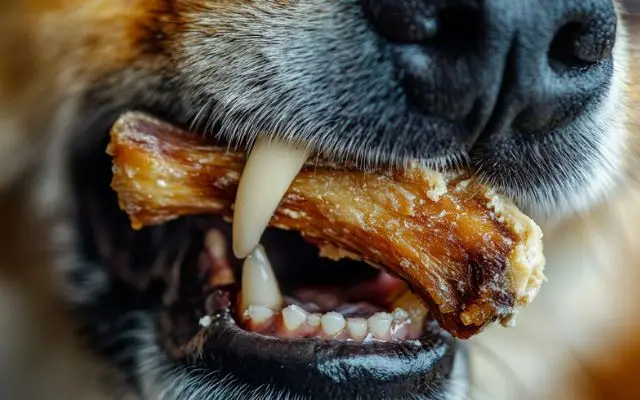
When a dog has eaten chicken bones, the temptation to jump into elaborate solutions can be overwhelming. However, a balanced approach that combines observation and careful attention can often provide comfort and relief to your canine companion. These strategies are meant to complement veterinary care and are not to be used as replacements for professional advice.
Providing a Bland Diet for Recovery
One of the traditional pieces of advice often found in various resources when a dog has consumed chicken bones (or numerous other potentially problematic items) is to start them on a bland diet. This dietary approach aims to soothe an upset stomach and help reduce digestive stress.
Feeding your dog plain, white rice and boiled chicken (without bones, of course) is a common suggestion. The simplicity of these foods helps avoid further irritation to a potentially inflamed or irritated stomach. White rice is a gentle source of carbohydrates, while boiled chicken provides a good source of protein that is normally easily digested by dogs.
It is important to limit the fatty content of their food, as fats can exacerbate gastrointestinal upset. In addition, try to avoid large quantities of food, beginning with small meals throughout the day to allow their stomach to begin to heal naturally. Ensure the food is also lukewarm or room temperature, as warm or hot foods can further irritate a sensitive stomach.
As their stomach begins to settle, you can gradually introduce their regular food back into their dietary plan. This transition should be a slow process to ensure their digestive tract doesn’t experience any more stress. Over time, as they remain symptom-free and their appetite returns to normal, they should be able to return to their regular diet with no further problems.
Digestive Aids: Natural Solutions to Consider
In addition to a bland diet, there are also natural remedies that can assist in promoting digestive health and mitigating potential discomfort caused by the consumption of chicken bones. These remedies often focus on soothing the digestive tract and supporting healthy gut function.
Pumpkin puree is a popular home remedy for digestive issues in dogs. It is rich in fiber which can add bulk stool and thus help regulate bowel movements, especially if they are struggling with constipation. The fiber in pumpkin can also help to soothe the lining of the digestive tract. Pumpkin puree acts as a gentler approach to re-establishing the normal consistency of stools. The right amount of pumpkin puree can prevent excessive diarrhea alongside the constipation.
Plain yogurt with live active cultures can also help restore the balance of healthy bacteria in the dog’s gut, which can contribute to a healthy and functional digestive system. The probiotics in yogurt help to combat any imbalance that may have resulted from the chicken bone consumption. But choose plain yogurt with little-to-no added sugar or artificial flavourings.
These remedies are often considered safe and effective, but it’s always advisable to consult your veterinarian before introducing any new dietary changes, particularly if your dog has any underlying health conditions. Knowing if any of the ingredients may aggravate their pre-existing condition can assist in providing them with a prompt and comprehensive treatment.
Long-term Health Monitoring

Once the initial panic has subsided and your dog seems to have recovered from the incident, it is essential to continue monitoring their health for signs of any lingering issues. The consumption of chicken bones, even if it appears to have passed without serious incident, can sometimes lead to complications that manifest days or even weeks later. This proactive approach to health monitoring aims to prevent long-term issues.
Keeping an Eye on Your Dog’s Digestion
Even if your dog appears to be back to their normal self after consuming chicken bones, it’s crucial to continue monitoring their digestion for a few days or weeks following the incident. Pay attention to their bowel movements, looking for changes in consistency, frequency, or colour. Their stools should become regular and healthy, as well as not containing any blood.
If you notice any changes in your dog’s usual bowel movements, including blood in the stool, straining, or excessive diarrhea, it’s important to contact your veterinarian. This can indicate that a bone splinter hasn’t been passed through their system or it could be a sign of a more serious issue.
Additionally, observe your dog for any signs of vomiting or changes in appetite. If they are vomiting regularly or if they have lost their appetite for more than a day or two, it could signify an ongoing digestive issue. Changes in appetite can indicate that they are not feeling well, or that the bone fragments are still lingering within their gastrointestinal tract causing a blockage.
Regular Vet Check-ups: Importance of Routine Care
Routine veterinary check-ups are essential for maintaining the overall health and well-being of our canine companions. These check-ups provide an excellent opportunity for your veterinarian to assess your dog’s health, identify any potential problems early on, and discuss any concerns you may have.
Regular veterinary visits can help to detect subtle changes in your dog’s health that you might miss. The vet can assess their digestive tract and assess any internal damage that might result from chicken bone ingestion. They are able to recommend or provide tests if needed that can help to detect any foreign objects or any lingering problems associated with the chicken bones.
Routine examinations can help establish a baseline for your dog’s health and provide a framework for detecting any abnormalities that develop over time. By getting frequent check-ups, you can help your dog have a longer and more comfortable life.
Preventive Strategies to Avoid Future Incidents

The best way to ensure your dog’s safety and well-being when it comes to chicken bones is to implement preventative measures. This involves creating a secure environment that discourages scavenging and reinforcing responsible pet-ownership practices among all household members. By taking precautions, you can create an environment where your dog is more likely to remain safe and avoid potential harm.
Secure Food Storage Practices
One of the most effective preventive measures involves ensuring that all food items, especially those containing chicken bones, are stored securely and out of reach of your dog.
Place trash cans and recycling bins in areas that are inaccessible to your dog. Secure all trash can lids tightly, or consider purchasing robust, heavy-duty containers that are designed to be pet-resistant. Many dogs have a remarkable ability to discover creative ways to open containers, and investing in secure containers will be a prudent decision to ensure the safety of your dog.
Ensure all kitchen counters and tables are kept clean and clear of any food scraps or leftovers. Foods that contain chicken bones should be disposed of carefully immediately and be out of the reach of your dog.
If you are cooking foods that contain chicken bones, keep the area well-ventilated and out of reach from your dog. The enticing smell of cooked chicken might tempt your dog to come and find a way to gain access to the food.
Educating Family Members on Safe Pet Practices
Teaching all household members and regular visitors about safe pet practices and about the dangers of chicken bones is essential. Encourage everyone to be vigilant and avoid leaving any food items, especially chicken bones, within a dog’s reach.
Open and transparent communication about this issue with everyone in the house will be invaluable in training your dog to avoid chicken bones. If one person is more likely to leave food on the table or leave dishcloths with some food on them, discussing this issue can help avoid issues and make the household a safer place for your dog.
Ensure that children understand the importance of keeping food out of reach. Supervise any interaction between young children and your dog, especially if any food is involved. This step will greatly reduce the potential for issues to arise from children giving your dog access to chicken bones.
Safe Chewing Alternatives for Dogs
Satisfying your dog’s natural urge to chew is vital for their oral health and psychological well-being. However, this instinct must be guided towards safe alternatives rather than scavenging for potentially harmful objects like chicken bones. There are many safe and engaging chew toys and treats that can meet your dog’s needs.
Specialized dental chews specifically designed for dogs are a great way to satisfy their chewing urge and promote dental hygiene. Providing these chews on a regular basis can help to promote clean teeth and fresh breath, but it also discourages the behaviours that may put your dog at risk.
Rawhide chews or bully sticks made of dried beef can be enticing alternatives to bones. These chews are designed to last for quite some time, which can assist in ensuring your dog is well occupied and entertained.
Exploring Nutritional Chews and Treats
The market is filled with a range of nutritious chews and treats that are safe and beneficial for your canine companions. When choosing alternatives for chicken bones, ensure that the treats you provide are specifically designed for dogs and do not contain any harmful ingredients.
Many brands offer chews that are designed for specific dental care or to help reduce excessive shedding, or to promote a healthy digestive tract. Opting for these chew toys encourages your dog to have a healthy and happy mouth and digestive system. Selecting a variety of chews will keep your dog entertained and interested.
It’s beneficial to opt for chews or treats that are made with natural ingredients, and try to avoid those that contain artificial colours, flavours, or preservatives. Many natural ingredients such as coconut oil, sweet potatoes, or chia seeds can be used to enhance your dog’s overall health and well-being. Check packaging, where possible, for guarantees that the product has been produced in a responsible manner.
Benefits of Supervised Playtime with Safe Toys
Playtime is a crucial aspect of a dog’s life. Engaging your dog with interactive play sessions provides them with a healthy outlet for physical and mental stimulation. Using active play to redirect your dog’s energy means they are less likely to explore and discover hidden dangers around the house.
Provide various appealing and safe chew toys for your dog to explore and play with. Having a variety of safe toys on hand gives your dog more options to choose from and will keep them interested and engaged.
Engage your dog in games like fetch, tug-of-war, or hide-and-seek to promote physical activity and mental stimulation. Interactive toys can be used as rewards in those games.
Ensure that the playtime activities are supervised to ensure your dog is playing safely. By supervising playtime, you can manage any unexpected behaviours to prevent them from behaving in a way that might risk their safety and well-being.
Behavioral Insights: Why Dogs Eat Dangerous Foods
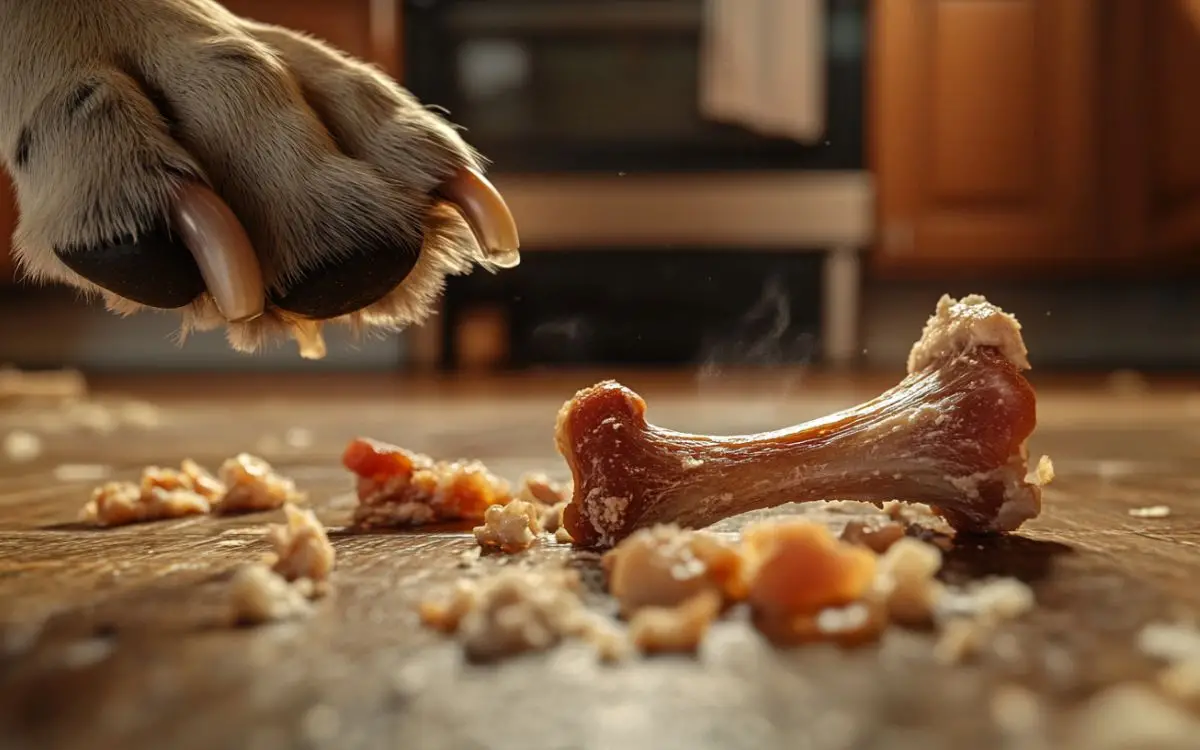
Understanding the underlying behavioral reasons why dogs might indulge in potentially harmful food items like chicken bones can be helpful in developing effective management strategies. This knowledge can help you understand your dog’s behaviour and give you a chance to adapt your home and your training to ensure the health and safety of your beloved companion. Recognizing their motivation can guide you in redirecting those urges towards safe avenues.
Canine Exploration and Scavenging Instincts
Dogs have evolved as scavengers. In the wild, they have historically relied on scavenging for food. This inherent behaviour is still present in domesticated dogs, and it can sometimes lead them to explore and investigate even potentially harmful food sources.
Dogs naturally have a strong sense of smell, and this can draw them to food items that are not intended for them. Even if food is stored securely within a container, the scent of delicious items, such as cooked chicken bones, can draw them in.
As dogs are curious creatures, they will often explore their surroundings through sniffing and tasting to understand the world around them. This drive to explore and discover can lead them to investigate items that are potentially dangerous or unhealthy for them.
The Impact of Environment on Eating Behaviors
The environment in which a dog lives plays a major role in shaping their eating behaviors. Environmental factors can influence a dog’s propensity to eat chicken bones or other unsuitable items.
If a dog is bored or lacks sufficient stimulation, they are more likely to engage in undesirable behaviours, such as scavenging or eating non-food items such as chicken bones. The desire to explore and play is embedded in most dogs, and if they don’t have the opportunities they need to express their energy levels in healthy ways, they will find less healthy ways.
A dog’s feeding routine and access to food can influence their behaviour. If a dog is regularly fed too little food, or if they are not fed regularly enough, they may develop a greater motivation to scavenge for additional sources of food. This motivation could drive them to get into trash cans or areas where chicken bones or other hazards might be found.
A dog’s social environment can also have an impact on their eating habits. If a dog is subjected to a harsh or inconsistent feeding schedule, they might develop stress or anxiety, which can increase their likelihood to eat inappropriate objects. If their food is taken away from them regularly when trying to eat or they are constantly scolded during feeding times, this will increase their anxiety.
The Emotional Aspect for Pet Owners
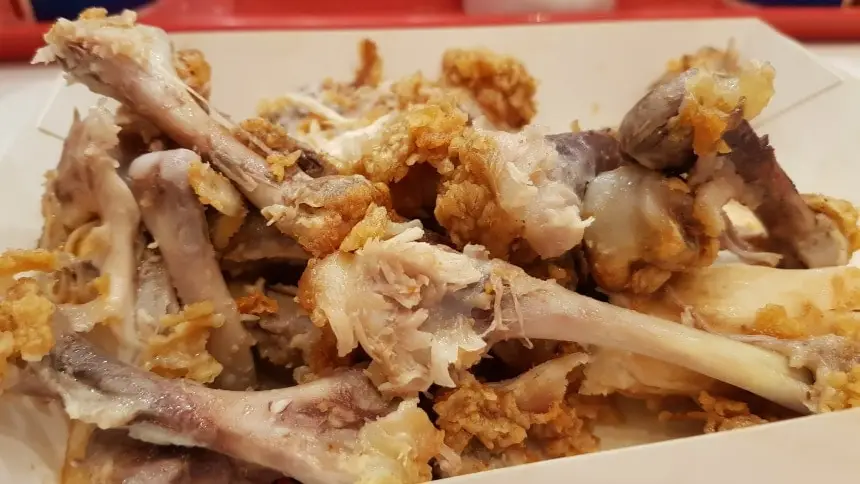
The experience of discovering that our beloved canine companion has eaten something potentially dangerous can trigger a significant emotional response in pet owners. This emotional response is valid, and understanding the feelings you experience is crucial for managing this situation effectively. Navigating this situation with clarity and empathy for both yourself and your dog is important in maintaining a healthy and supportive relationship.
Understanding Owner Anxiety and Stress
The natural reaction of a pet owner when their dog eats chicken bones can be a wave of panic and anxiety. Our dogs normally occupy significant roles within families, and they are often considered family members. This is especially true if your dog has a close bond with you or another member of the family.
This anxiety can stem from a sense of responsibility and the natural urge to protect our beloved pets. The worry of what could happen to your dog as a result of this potentially hazardous action is natural. It’s important not to dismiss these feelings, but rather allow them to be a motivating force for making safer decisions in the future.
The anxiety can sometimes be heightened if the dog is a young puppy or if they have not yet recovered following a surgery or a traumatic experience which caused great concern. Pre-existing health issues might also increase a pet owner’s fear, especially if the dog has a weakened immune system or health troubles related to their gastrointestinal tract.
Building a Stronger Bond Through Care and Vigilance
Amidst the worry and concern that comes from the chicken bone incident, it’s important to acknowledge that this event also offers an opportunity to deepen the bond between you and your canine companion. Your response during this situation showcases your love and dedication to the well-being of your furry family member. Acting with both swift and calm actions during this period will provide your dog with a greater sense of comfort and emotional security.
Pay attention to your dog’s needs following the incident. Maintain regular routines and interactions, and provide them with extra affection and reassurance. Your calmness and support can provide your dog with a safe space as they recover from the incident.
This incident can be a valuable learning experience for both you and your dog. By taking steps to prevent future incidents, you can effectively demonstrate your commitment to your dog’s safety, further strengthening your bond as you develop a deeper understanding of their needs and behaviours.
Final Thoughts

The journey of owning a dog is filled with beautiful moments, but it also comes with challenges and unforeseen circumstances. Navigating a scenario where your canine companion has consumed chicken bones requires a comprehensive approach, encompassing immediate responsiveness, home care protocols, and a long-term focus on preventative strategies. By maintaining a perspective that blends awareness with proactive measures, you can effectively reduce the likelihood of such incidents and ensure your dog’s well-being. Through calm assessment, mindful preparation, and a focus on open communication and preventative measures, you can significantly reduce the risks presented by chicken bones and build a more secure and harmonious relationship with your pet.
Conclusion

In conclusion, navigating the complexities of what to do if a dog eats chicken bones is a testament to the unwavering love and commitment that we feel towards our canine companions. While the immediate reaction might be one of panic, recognizing the potential dangers and understanding the signs of distress empower us to react with composure and implement effective solutions. Whether it’s providing a bland diet, considering natural remedies, or seeking veterinary guidance, our actions directly reflect our dedication to ensuring their well-being. Moreover, this experience reminds us that preventive strategies are vital for maintaining a safe and healthy environment for our dogs. Implementing secure storage practices, educating household members, and offering safe chewing alternatives are crucial aspects of promoting a harmonious and comfortable life for our canine partners. Ultimately, our journey with our dogs is one of continuous learning, shared growth, and mutual understanding. By embracing a proactive and informed approach, we can build a strong and lasting bond with our furry companions while mitigating future hazards through vigilance and mindful care.
