
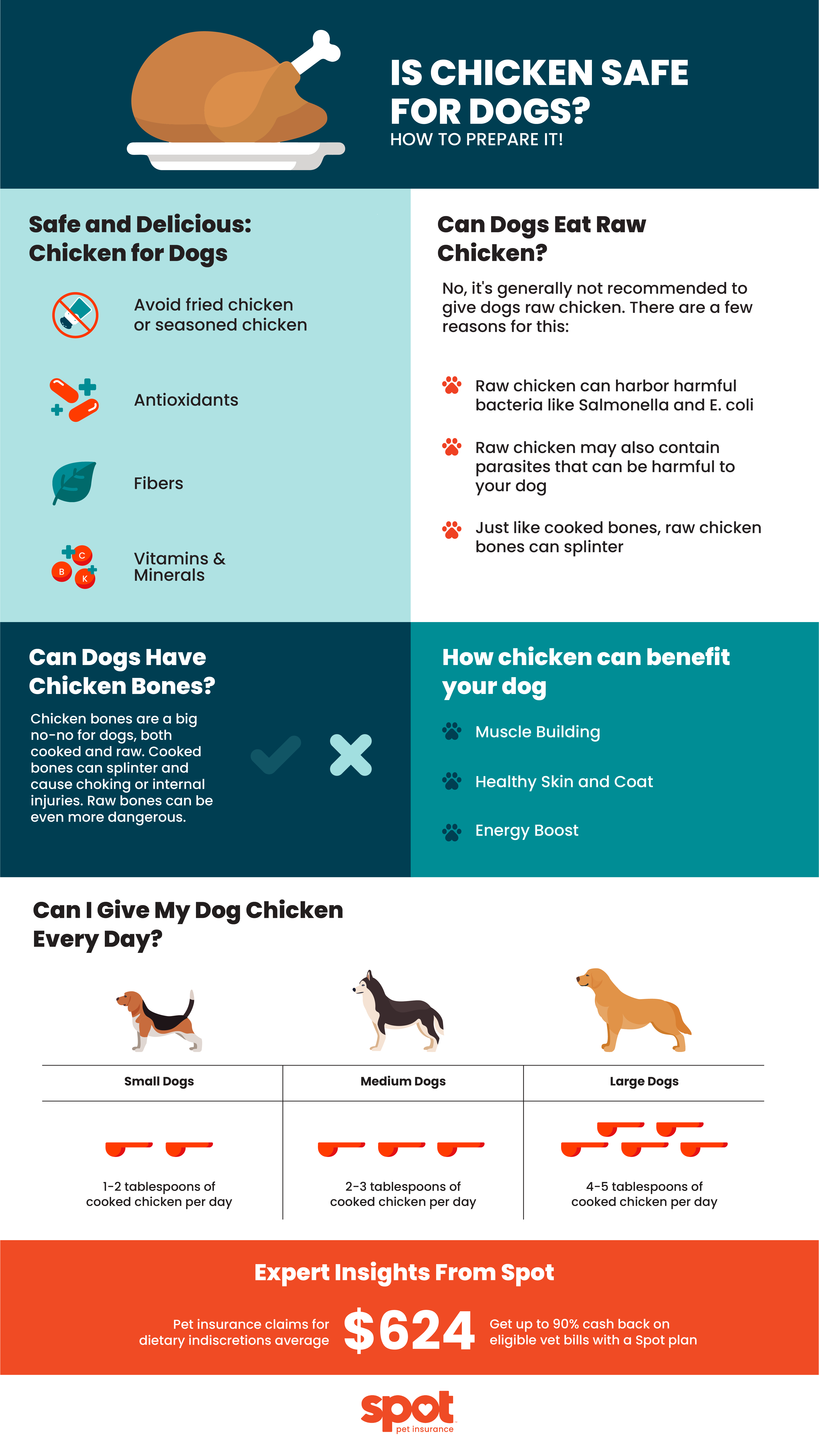
It’s a common concern for dog owners: what happens if your beloved canine companion ingests a chicken bone? These small, potentially dangerous objects can pose serious risks, from choking hazards to internal damage. Understanding the right course of action is crucial for ensuring your dog’s safety. This guide will walk you through the essential dos and don’ts if your dog ever eats a chicken bone.
Immediate Actions to Take
If you witness your dog consuming a chicken bone, staying calm is the first and most important step. Your reaction can significantly impact how you handle the situation.
Command “Drop It” or “Leave It”
If your dog has not yet swallowed the bone, employ a firm “drop it” or “leave it” command. A well-trained dog may comply, potentially preventing further ingestion. If they drop the bone, closely monitor them to ensure no small pieces were swallowed.
Safely Remove from Mouth
If possible and without causing distress, gently open your dog’s mouth to remove the chicken bone. Look for any fragments lodged in their gums or mouth that could be swallowed. Applying gentle pressure to the underside of their jaw might help release the bone. Avoid any sudden movements or force, as this could cause your dog to panic, bite down harder, or worsen the situation.
What NOT to Do
Certain actions, while seemingly helpful, can actually exacerbate the danger when a dog ingests a chicken bone.
Do Not Induce Vomiting
Attempting to make your dog vomit is strongly discouraged. The sharp edges of a chicken bone can cause further injury or become lodged in the throat during the process, leading to more severe complications than swallowing it whole.
Avoid Giving Cotton Balls
There’s a misconception that feeding dogs cotton balls soaked in milk or olive oil can help. This is untrue and dangerous. Cotton balls can unravel and cause blockages or choking hazards in your dog’s digestive tract, compounding the problem.
Assessing the Risk and Seeking Professional Help
The severity of the situation depends on various factors, including the dog’s size and how they ingested the bone.
Check for Choking
Ensure your dog is not exhibiting signs of choking. Chicken and turkey bones are hollow and can splinter easily. If your dog swallows the bone whole without chewing, it might pass safely. However, fragments can cause internal damage. Smaller dogs are at a higher risk of blockages, while larger dogs may suffer from internal injuries caused by sharp fragments.
Contact Your Veterinarian Immediately
If your dog shows any signs of distress after ingesting a chicken bone, contact your veterinarian right away. They can provide expert advice, assess the situation, and determine the necessary steps. This might include bringing your dog in for an examination or X-rays to locate the bone and assess any potential damage. In some cases, surgery may be required. You can learn more about surgical interventions for gastrointestinal foreign bodies in dogs here.
Supportive Care and Monitoring
If your dog seems fine immediately after eating a chicken bone and is not choking, there are supportive measures you can take, followed by diligent monitoring.
Offer Bread and Water
A small piece of white bread or another soft food, along with water, can help cushion the bone as it travels through your dog’s digestive system. Bread can protect the lining of the esophagus and stomach, and encouraging fluid intake can aid in the dissolution process. Some sources suggest that bone broth may also help increase gastric juices, aiding in dissolving the bone.
Monitor for Adverse Signs
Even if your dog appears unharmed, continuous monitoring for at least 24 hours is essential. Watch for any behavioral changes or physical symptoms, including:
- Lethargy
- Abdominal bloating
- Loss of appetite
- Vomiting
- Blood in stool
- Difficulty defecating
- Signs of discomfort or pain, such as whining or crying
If you observe any of these symptoms or if something feels “off,” do not hesitate to seek veterinary attention immediately. Trust your instincts as a pet owner; you know your dog best.
Prevention is Key
While these steps are crucial in an emergency, the best approach is prevention. Always keep cooked chicken bones, and other potentially harmful food scraps, out of your dog’s reach. Secure trash cans and be mindful of what you feed your dog. You can explore human foods that are safe for dogs to eat to provide safe and healthy treats.
Conclusion
Ingesting a chicken bone can be a frightening experience for both dog and owner. By remaining calm, knowing the correct immediate actions, and understanding when to seek professional veterinary care, you can significantly improve the outcome for your pet. Always prioritize preventative measures to ensure your dog’s safety and well-being. If you have concerns about your dog’s diet or have experienced a similar incident, consulting with a veterinarian is always the wisest course of action.
