
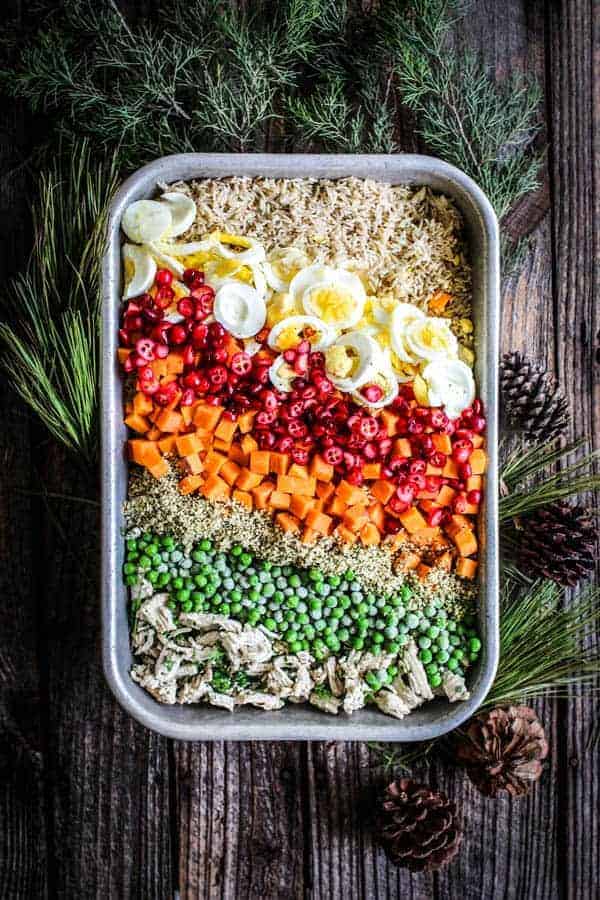
For many dog owners, kibble or dry food remains the staple diet due to its convenience and affordability, representing over 60% of dog food sales. However, the highly processed nature of dry dog food often leaves it less than perfect. The good news is that you can significantly improve your dog’s dry food diet by incorporating simple additions of cooked or raw foods, according to Mary Straus, a seasoned pet food researcher and owner of the DogAware.com website. These enhancements can add enjoyment, variety, and crucial nutrients to your dog’s meals.
The key to successfully enhancing your dog’s diet lies in moderation. Added foods should constitute a maximum of 25% of your dog’s total daily caloric intake. Exceeding this limit risks unbalancing the diet, especially regarding the critical calcium-phosphorus ratio. Information on the caloric content of both commercial dog food and potential additions can be found on food labels and resources like fdc.nal.usda.gov.
What to Add to Dog Food
Straus advocates for incorporating animal-source foods over plant-based options like grains, legumes, and starchy vegetables, as most dry foods are already carbohydrate-rich. Dogs, unlike many other species, do not have a specific nutritional requirement for carbohydrates. In contrast, animal proteins are vital for supporting the immune and central nervous systems, aiding wound healing, building lean muscle, and maintaining healthy skin and coat.
1. Eggs
Eggs are a highly nutritious and simple addition to your dog’s diet. They can be fed raw, lightly scrambled, soft-boiled, or hard-boiled. While whole raw eggs are generally safe, as the biotin in the yolk counteracts avidin in the raw whites, cooking the whites improves their digestibility. For dogs weighing 40 pounds or more, a whole egg daily is appropriate. For smaller dogs, halve an egg or offer a whole egg every other day, adjusting portions proportionally for smaller breeds.
2. Muscle Meat and Organ Meats
Incorporate various meats like chicken, turkey, or lean beef, served raw or lightly cooked. Ensure meat is ground or cut into small chunks to prevent choking. Never feed cooked bones, as they can splinter and cause internal damage. While organ meats such as liver are nutrient-dense, Straus advises caution with beef liver for dogs on kibble diets, as many commercial foods are already high in copper, and excess copper can lead to storage disease. For other organ meats, introduce them in small quantities. Heart and gizzard are nutritionally similar to muscle meat and can be fed in larger amounts, though excessive intake may cause digestive upset in some dogs.
3. Fish
Fatty fish like canned sardines (packed in water), jack mackerel, and pink salmon are excellent additions due to their beneficial omega-3 fatty acids (EPA and DHA) and trace minerals. Straus recommends providing 3 to 10 mg of EPA/DHA per pound of body weight daily, noting that a small sardine can offer 100 to 150 mg. However, avoid feeding raw salmon or trout from the Pacific Northwest, as it can harbor a fatal parasite for dogs. Other salt-water fish that spawn in freshwater, such as smelt, sturgeon, shad, and striped bass, should also be avoided if fed raw.
4. Yogurt and Kefir
Fermented dairy products, including plain, unsweetened yogurt and kefir (free of sugar and xylitol), can aid digestion by providing probiotics. Opt for whole-milk versions unless your dog requires a low-fat diet.
5. Cottage Cheese or Ricotta Cheese
Many dogs enjoy cottage cheese and ricotta. If these cheeses are made from the milk of grass-fed cattle, particularly A2 milk or goat’s milk, they are highly digestible and protein-rich.
6. Canned Pumpkin
Pure canned pumpkin (not pumpkin pie mix) is a traditional remedy for both diarrhea and constipation. Offer small amounts, such as 1 teaspoon per 10 pounds of body weight, once or twice daily, as a versatile digestive aid.
7. Cooked or Pureed Vegetables
Whole raw vegetables offer limited nutritional value to dogs due to their digestive system. Pureeing vegetables in a food processor, juicer, or blender, or cooking them, significantly improves digestibility. Recommended options include carrots, celery, various greens, broccoli, Brussels sprouts, zucchini, asparagus, turnips, and parsnins. Onions are toxic to dogs and should be avoided. If your dog suffers from arthritis or inflammation, steer clear of nightshade family plants, which include potatoes, tomatoes, peppers, eggplant, tomatillos, and goji berries.
8. Fruit
Most dogs can enjoy fruits like bananas, apples, melons, pears, and blueberries. However, avocados should be consumed in moderation due to their high fat and calorie content. Grapes, raisins, and fruit seeds and pits are potentially hazardous. Given the sugar content in fruits, it’s best to offer them in small quantities.
9. Raw Green Tripe
While bleached honeycomb tripe from the supermarket may pique your dog’s interest, it lacks significant nutritional value. Untreated, greenish-brown raw green tripe, often with a strong odor to humans, is highly recommended, especially from grass-fed cattle. If you feed a dry diet, limit green tripe to a maximum of 25% of your dog’s daily caloric intake.
10. Recreational Bones
Raw, recreational bones can be an excellent addition for many dogs, promoting dental health, preventing gum disease, and providing mental stimulation and jaw exercise. However, bones can pose risks, such as broken teeth, especially if their size and shape allow dogs to crunch them between their molars. Marrow bones and cooked bones are particularly risky due to splintering. Knuckle bones may be safer, particularly for large or aggressive chewers. Always feed fresh, raw bones and remove them once the meat is consumed, before they dry out.
For those seeking more in-depth guidance on incorporating fresh foods into their dog’s diet, resources like Steve Brown’s Unlocking the Canine Ancestral Diet and See Spot Live Longer, and Rick Woodford’s Chow: Simple Ways to Share the Foods You Love with the Dogs You Love and Feed Your Best Friend Better, offer valuable insights and recipes.
