
Welcoming a dog into your life means embracing a world of shared moments, and for many pet parents, this includes sharing meals and homemade treats. A common question that arises is, “What human foods can dogs eat?” The good news is that many of your favorite dishes can be safe and even beneficial for your canine companion when prepared correctly and given in appropriate moderation. This guide explores the healthiest human foods your dog can enjoy, offering insights into their nutritional benefits and how they can be incorporated into your dog’s diet, even as food toppers for picky eaters.
Healthiest Human Foods for Dogs and Their Benefits
While dogs are often thought of as carnivores, domesticated dogs are, in fact, omnivores, capable of digesting both plant and animal-based foods. However, this doesn’t mean they can eat everything humans can. It’s crucial to know which foods are safe and beneficial. Always ensure any food given to your dog is unseasoned, cooked thoroughly, and free from any ingredients toxic to dogs.
1. Cooked, Unseasoned Meats: Chicken, Turkey, and Beef
Plain, cooked chicken, turkey, and beef are excellent sources of lean protein, essential for muscle development and overall health. It is vital to remove all bones before serving, as cooked bones can splinter and cause serious internal injuries. Dr. Sylvia Berns, Sploot’s Medical Director, emphasizes, “Even cooked bones are risky. They can splinter in the dog’s GI tract and cause issues such as perforations.” Chicken is often considered the most balanced meat for dogs due to its high protein and lower fat content. Remember, while meat is beneficial, it should not be the sole component of your dog’s diet; a variety of nutrients is necessary for complete health.
2. Cooked, Unseasoned Fish
Fish, such as salmon or whitefish, when cooked and deboned, provides valuable protein and omega-3 fatty acids. These fatty acids are beneficial for skin and coat health, as well as cognitive function. As with other meats, ensure all bones are meticulously removed to prevent choking hazards.
3. Cooked Eggs
Whether scrambled or hard-boiled, cooked eggs are a nutritional powerhouse for dogs. They are a great source of protein, vitamin D, selenium, and riboflavin, all contributing to your dog’s well-being.
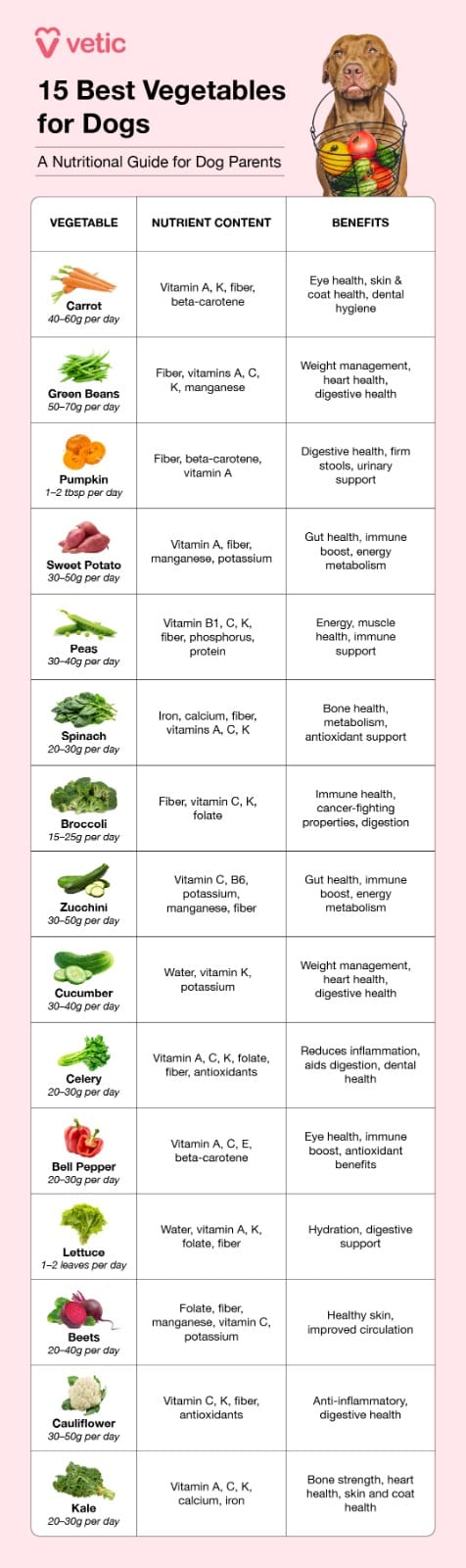
4. Cooked Pumpkin
Plain, cooked pumpkin is a fantastic source of fiber and beta-carotene. It aids in digestion and can improve coat quality. Its low-calorie and low-fat content make it an excellent treat for dogs managing their weight.
5. Cooked Green Beans
A serving of cooked green beans offers fiber, vitamin C, and other essential nutrients. They are also low in calories and fat, making them a healthy option for all dogs, particularly those needing to maintain a healthy weight.
6. Cooked Carrots
Cooked and chopped carrots are rich in fiber, vitamin A, and beta-carotene. Ensure carrots are cooked until tender to make them easier to digest. Raw carrots, while sometimes given as a crunchy treat, can be harder for some dogs to process.
7. Cooked Spinach
Spinach is packed with fiber, vitamins A, K, and C, and potassium. Its leafy and soft texture means it often doesn’t require chopping after cooking. This nutrient-dense vegetable is beneficial for both dogs and cats.
8. Sliced Apples (Moderation is Key)
Apples, including the skin, can be a delightful and healthy treat for dogs. Always remove the core and seeds, which can be choking hazards and contain small amounts of cyanide. Apples provide vitamins A and C, and fiber. Due to their natural sugar content (fructose), they should be given in moderation.
9. Bananas (Moderation is Key)
Bananas are a favorite for many dogs and are a common ingredient in homemade dog treats. They offer potassium, fiber, and magnesium. However, their high natural sugar content means they should be fed sparingly. If you’re interested in creative ways to use safe fruits, you might find articles on what raw meat can pitbulls eat insightful for understanding dietary variety.
10. Cooked Oatmeal
Oatmeal is a nutritious breakfast option that can also benefit dogs. It contains vitamin B and linoleic acid, which support skin and coat health. The soluble fiber in oatmeal aids digestion and is often found in commercial dog foods for good reason.
Understanding Canine Digestion and Allergies
Before introducing new human foods into your dog’s diet, it’s important to consider a few key points:
Dogs as Omnivores
Domesticated dogs, unlike their wolf ancestors, have evolved to be omnivores. This means their digestive systems can process nutrients from both plant and animal sources. This is why many dogs enjoy fruits and vegetables, and why cooked vegetables can be a beneficial addition to their diet when prepared without oil, butter, or spices, and cut into bite-sized pieces. Understanding the nuances of what can dogs eat other than dog food can help owners provide a more varied and healthy diet.
Food Allergies in Dogs
While many human foods are safe, some dogs may develop allergies. Common triggers include proteins from beef, chicken, eggs, fish, and dairy. It’s advisable to introduce new foods in small quantities and monitor your dog for any adverse reactions. Grains can also be an allergen for some canines. If you suspect allergies, consulting a veterinarian for proper testing is recommended. For those curious about specific dietary needs, exploring resources on what food shouldn’t dogs have is crucial.
Final Recommendations on Human Foods for Dogs
The human foods listed above can be wonderful additions to your dog’s diet, offering nutritional benefits and variety. However, they are intended as supplemental treats and should not replace a high-quality, commercially prepared dog food that is nutritionally complete. Always prioritize your dog’s health by ensuring a balanced diet. If you’re looking for vet-recommended options, consider exploring SplootRX for a reliable source of vet-preferred pet supplies.
For comprehensive veterinary care and expert advice on your dog’s nutrition and health, Sploot Veterinary Care is available with services including primary, urgent, and emergency care. With locations in Denver, Chicago, and Colorado Springs, and extended hours, they offer convenient and accessible support for pet parents. Booking an appointment online or through the Sploot Vets app is easy.
For those seeking to enhance their pet’s wellness while saving on costs, the SplootPack™ membership offers significant savings on essential veterinary care, including waived wellness exams, discounts on services, and more.
