
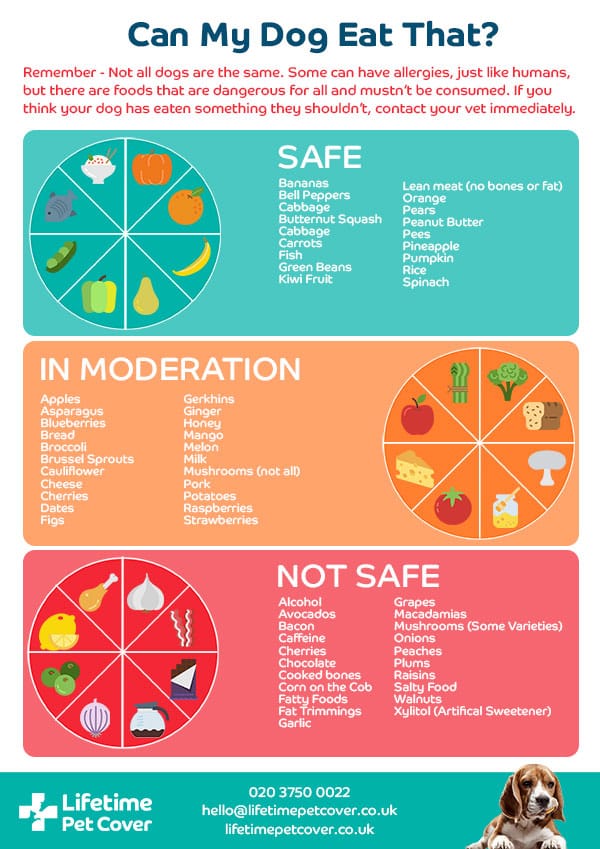
It’s natural to feel tempted to share your meals with your dog, especially when they gaze at you with those pleading eyes. You might even believe you’re offering them a special treat. However, the high-calorie, high-fat foods that bring us so much enjoyment can be some of the most detrimental for our canine companions. Even a single generous serving of a fatty meal or seemingly harmless leftovers can have significant adverse effects on your dog’s health. This article delves into why you should reconsider sharing table scraps with your dog.
Potential Health Risks of Dogs Eating Table Scraps
When dogs consume table scraps, they become susceptible to a range of health issues. Here are some of the primary concerns:
Pancreatitis
Pancreatitis is a serious condition triggered by the ingestion of fatty foods, and it can be life-threatening for dogs. Normally, the pancreas releases digestive enzymes into the gastrointestinal tract after food intake to aid in fat breakdown and digestion. Pancreatitis occurs when these enzymes are activated prematurely, before reaching the digestive tract, causing the pancreas to begin digesting itself and leading to inflammation. These enzymes can also escape into the abdominal cavity, damaging nearby organs like the liver, bile ducts, gallbladder, and intestines. While high-fat foods are not the sole cause, they are widely considered a major contributor to acute pancreatitis. The clinical signs vary depending on the severity but can include intense abdominal pain, vomiting, and diarrhea. In severe instances, pancreatitis can be fatal, and treatment may necessitate hospitalization.
Gastrointestinal Upset
Not all pets possess a gastrointestinal system capable of properly processing new foods. If your pet has a history of digestive sensitivities, it’s crucial to avoid introducing new items into their diet, particularly human foods. New foods can disrupt the delicate balance of your pet’s gastrointestinal lining and flora, potentially causing inflammation. This can manifest as stomachaches, vomiting, diarrhea, loss of appetite, and lethargy. If you observe any of these symptoms, seek immediate veterinary attention to ensure a safe recovery and rule out ongoing issues.
Toxin Exposure
Despite good intentions, offering table scraps can lead to your dog ingesting toxic substances. Human foods containing raisins, grapes, chocolate, xylitol (a sugar substitute common in gum and candies), and onions can all be poisonous to dogs. These ingredients might be present in seemingly innocuous items like raisin bread, soups, brownies, or other food combinations. Many of these toxins have severe consequences; for example, raisins and grapes are linked to kidney toxicity in pets, and xylitol can cause dangerously low blood sugar, potentially leading to death. Understanding what food should you never feed your dog is crucial for preventing accidental poisoning.
Foreign Bodies
Another significant risk is the ingestion of foreign bodies – objects that become lodged in the gastrointestinal tract. Common items dogs swallow include pieces of toys, bones, pits from fruits like peaches, corncobs, fabric scraps, socks, underwear, hair ties, and rope. These foreign bodies can cause gastrointestinal obstruction, which is a life-threatening condition if not treated promptly. Symptoms of an obstruction include vomiting, diarrhea, loss of appetite, and lethargy. If you suspect your pet has ingested a foreign object, contact your veterinarian immediately. In some cases, inducing vomiting might be possible if you reach the clinic quickly, but this is not always advisable. Diagnosing obstructions can range from straightforward to challenging, often requiring repeated X-rays or an abdominal ultrasound. Your vet will recommend the best course of action, which may involve surgical removal or intensive fluid therapy.
Bone Splinters
Bones, particularly cooked ones, pose a significant hazard to pets. This is true for pork and steak bones, but especially for bird carcasses and bones, such as those from chickens or turkeys, which might seem like a suitable scrap. The cooking process dries out bones, making them prone to splintering. These splinters can become lodged anywhere along the digestive tract, from the mouth and throat to the stomach and even embedded in the intestinal walls. Larger bone fragments can obstruct the small intestine, causing pain and distress as other ingested materials cannot pass. In some cases, internal bone fragments may require surgical intervention for removal. It’s important to know what meat dogs should never eat to avoid such dangers.
Consult Your Veterinarian About New Foods
While the temptation to share your plate with your pet is strong, it’s essential to recognize the potential dangers associated with table scraps. If you have any concerns about what foods are safe for your dog, always consult your veterinarian. This proactive approach will help you prevent potential health problems and ensure your beloved pet remains safe and healthy.
Featured Image: iStock.com/Ulianna
Related Video: 5 Holiday Food Scraps That Are Dangerous for Pets
By: Dr. Monica Tarantino, DVM
