
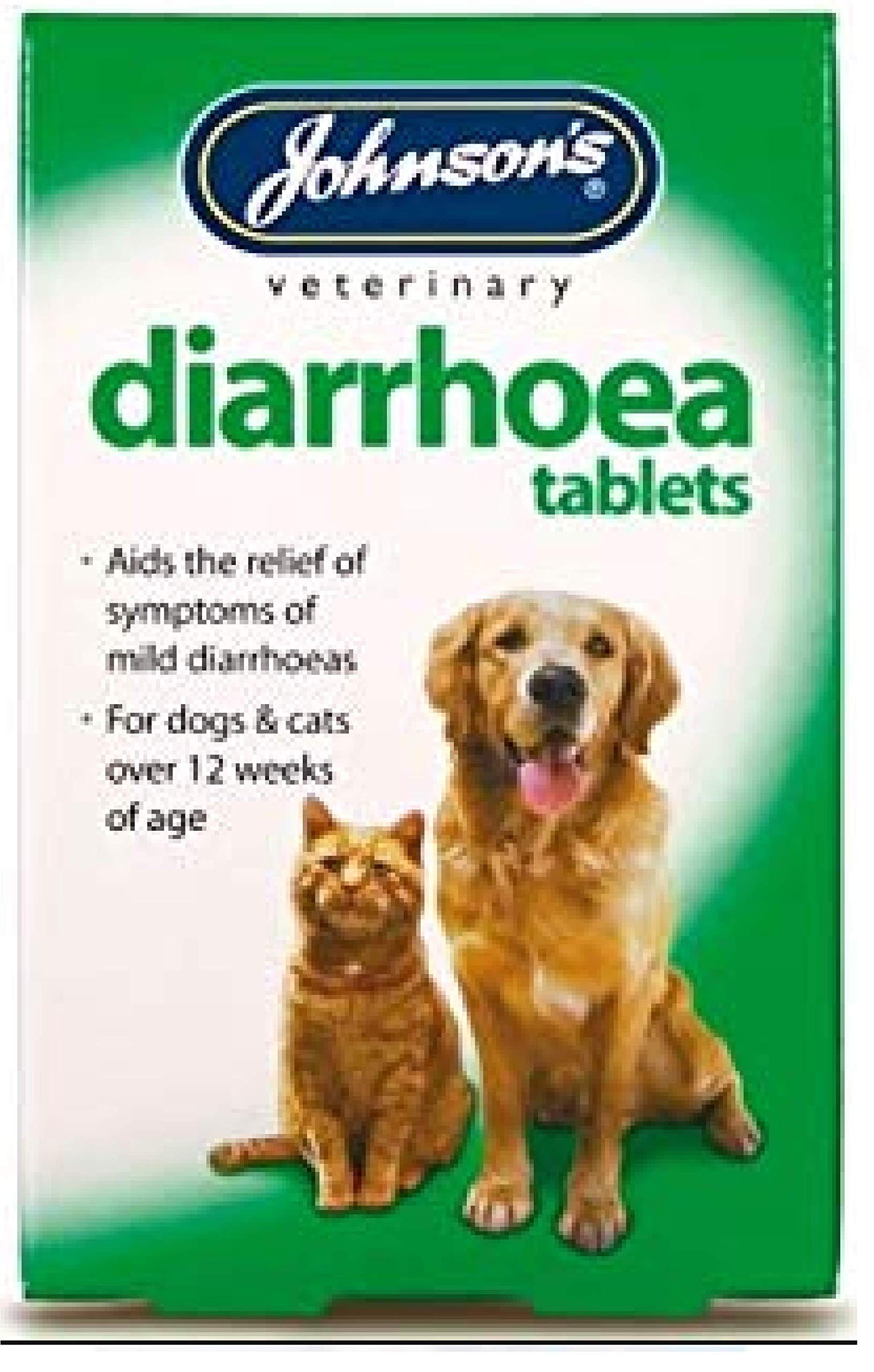
Dealing with your dog’s diarrhea can be a stressful and messy experience, leaving you concerned about their well-being and unsure of the best course of action. A common question pet owners ask is, “What should I feed my dog when they have diarrhea?” At Johnson Ranch Animal Clinic, we understand these worries and are here to provide clear, compassionate, and thorough guidance. We believe in a partnership approach to pet care, empowering you with the knowledge to manage your dog’s health at home and recognize when professional veterinary attention is needed.
Diarrhea is a frequent concern, stemming from various causes, from simple dietary indiscretions to more serious underlying health issues. Recognizing these causes is the first step in effective management.
Common Causes of Diarrhea in Dogs
The veterinary team at Johnson Ranch Animal Clinic frequently encounters diarrhea in dogs due to a range of factors:
- Dietary Indiscretions: Ingesting unusual items such as garbage, table scraps, spoiled food, bones, or non-food objects.
- Abrupt Food Changes: Switching dog food brands or protein sources too rapidly can upset a dog’s sensitive digestive system.
- Stress and Anxiety: Significant life changes like travel, boarding, loud noises, or alterations in the household environment can trigger digestive upset.
- Parasitic Infections: Internal parasites such as giardia, hookworms, coccidia, and roundworms are common culprits.
- Infectious Diseases: Bacterial or viral infections, including parvovirus, distemper, and salmonella, can lead to diarrhea.
- Food Allergies and Sensitivities: Some dogs develop adverse reactions to common proteins or grains in their diet.
- Medication Side Effects: Certain medications, especially antibiotics, NSAIDs, and some supplements, can cause diarrhea as a side effect.
- Underlying Medical Conditions: Chronic issues like pancreatitis, inflammatory bowel disease (IBD), Addison’s disease, or exocrine pancreatic insufficiency (EPI) can manifest with diarrhea.
- Foreign Body Ingestion or Toxin Exposure: Swallowing non-digestible items or consuming poisonous substances requires immediate veterinary attention.
While mild diarrhea from temporary dietary changes or stress may resolve within a couple of days, persistent or severe cases, particularly those accompanied by other symptoms, necessitate a veterinary evaluation.
Step 1: The Role of Food Withholding
In cases where your dog is otherwise acting normally—alert, maintaining hydration, and not vomiting—a brief food withholding period of up to 12 hours can be beneficial. This short fasting allows the digestive system to rest and begin to recover. However, this approach is not suitable for certain dogs:
- Puppies under six months of age: They have high energy needs and are prone to hypoglycemia (low blood sugar).
- Small breed dogs: These dogs are also at a higher risk for developing low blood sugar.
- Senior dogs or those with chronic health conditions: Including diabetes or kidney disease, as they may have different metabolic needs and sensitivities.
If you are uncertain about whether withholding food is appropriate for your dog, contacting Johnson Ranch Animal Clinic is the safest approach. Our team can provide tailored advice based on your pet’s specific age, breed, and medical history. Even during a fasting period, it is crucial to always provide access to fresh, clean water to prevent dehydration. Offering small ice cubes can also be a good option if your dog is reluctant to drink.
Step 2: Introducing a Bland Diet
Once the brief rest period is complete, or if fasting is not recommended, the next step is to introduce a bland, easily digestible diet. These carefully selected foods are gentle on the stomach, aid in firming up stools, and provide essential nutrients to support recovery.
The Objectives of a Bland Diet
- Soothe the Digestive Tract: Minimize irritation and inflammation.
- Improve Stool Consistency: Gradually restore normal bowel movements.
- Restore Energy and Hydration: Replenish vital fluids and nutrients.
- Support Gut Healing: Provide the building blocks for digestive system repair.
Johnson Ranch Animal Clinic recommends the following trusted bland diet options:
Boiled Chicken and White Rice:
- Prepare using skinless, boneless chicken breast or thighs.
- Boil until thoroughly cooked, then shred the chicken.
- Combine with plain white rice (avoid brown rice) in a 1:2 ratio of chicken to rice.
- Crucially, avoid adding any seasonings, oils, or broths.
Boiled Ground Turkey and Rice:
- This is an excellent alternative for dogs who may have sensitivities to chicken.
- Use lean ground turkey, cook it completely, and thoroughly drain off any excess fat.
Boiled Lean Ground Beef and Rice:
- Opt for extra-lean ground beef (90% lean or higher).
- Ensure all fat is drained off after cooking.
- This option is suitable for dogs that do not tolerate poultry well.
Prescription Gastrointestinal Diets:
- For more severe, persistent, or chronic diarrhea cases, your veterinarian may recommend specialized prescription diets. These include:
- Hill’s Prescription Diet i/d®
- Royal Canin Gastrointestinal Low Fat®
- Purina Pro Plan EN®
- These formulas are specifically designed for maximum digestibility and to support the gastrointestinal system’s health. The clinic can assist you in selecting the most appropriate prescription diet and may provide samples or starter packs.
- For more severe, persistent, or chronic diarrhea cases, your veterinarian may recommend specialized prescription diets. These include:
Step 3: Feeding Amounts and Transitioning Back to Regular Food
When feeding your dog during their recovery, the principle of small, frequent meals is paramount:
- Begin by offering 4 to 6 small meals per day.
- Start with approximately 1 tablespoon per 10 pounds of body weight per meal.
- Closely monitor your dog’s stool quality and overall behavior to gauge their response.
As your dog shows signs of improvement, a gradual transition back to their regular food over 5 to 7 days is essential to prevent a relapse:
- Days 1–2: 75% bland diet / 25% regular food
- Days 3–4: 50% bland diet / 50% regular food
- Days 5–6: 25% bland diet / 75% regular food
- Day 7: Return to 100% regular food, provided stools remain firm and consistent.
This gradual reintroduction minimizes the risk of further gastrointestinal upset.
Step 4: The Critical Role of Hydration
Diarrhea causes significant loss of body fluids and essential electrolytes, increasing the risk of dehydration, particularly in smaller dogs, puppies, and senior pets.
Recognizing the Signs of Dehydration:
- Gums that feel dry and sticky to the touch.
- Eyes that appear sunken.
- Lethargy or noticeable weakness.
- Skin that loses its elasticity and does not “snap back” when gently pinched.
Ensure your dog always has access to clean, fresh water. In some cases, veterinary recommendations might include:
- Unflavored Pedialyte: This can be offered, but typically diluted and only under veterinary guidance.
- Subcutaneous Fluids: Administered in-clinic to aid rehydration.
- Intravenous (IV) Fluids: Reserved for dogs experiencing severe dehydration or who are unable to drink.
Step 5: Enhancing Gut Health with Probiotics
Diarrhea can disrupt the delicate balance of beneficial bacteria in your dog’s gut. Supplementing with a dog-safe probiotic can help restore this balance and promote a faster, more complete recovery. Johnson Ranch Animal Clinic recommends veterinarian-approved options such as:
- Purina FortiFlora®
- Proviable® DC or KP
- Visbiome Vet®
The clinic can assist you in selecting the most appropriate probiotic and determining the correct dosage based on your dog’s individual needs.
Foods to Strictly Avoid During Recovery
Certain foods can exacerbate your dog’s symptoms or hinder the healing process. It is vital to avoid the following during their recovery period:
- Fatty meats or food scraps.
- Cheese and other dairy products.
- Seasoned, spicy, or heavily flavored foods.
- Commercial dog treats, especially those containing artificial additives or dyes.
- High-fiber ingredients like pumpkin in the initial stages of recovery.
- Raw food diets or bones.
Adhere to plain, gentle ingredients until your veterinarian gives the clear to gradually reintroduce other items into your dog’s diet.
When to Seek Veterinary Care from Johnson Ranch Animal Clinic
While some instances of diarrhea can be managed effectively at home, others require professional veterinary intervention. Contact Johnson Ranch Animal Clinic immediately if your dog exhibits any of the following:
- Diarrhea that persists for longer than 24 to 48 hours.
- Vomiting occurring concurrently with diarrhea.
- Presence of blood in the stool, which may appear as bright red or black and tarry.
- Symptoms such as lethargy, trembling, or collapsing.
- A complete refusal to eat or drink.
- Any of these symptoms in a puppy, senior dog, or a pet with pre-existing chronic health conditions.
Our clinic is equipped to perform essential diagnostic tests, including fecal examinations, bloodwork, imaging, and dietary trials, to accurately determine the underlying cause of the diarrhea and initiate prompt treatment to get your dog back on the path to recovery.
Addressing Recurrent or Persistent Diarrhea
If your dog experiences frequent or prolonged bouts of diarrhea, it could indicate an underlying medical condition that requires ongoing management. Common causes for chronic diarrhea include:
- Inflammatory Bowel Disease (IBD)
- Pancreatitis
- Addison’s Disease
- Exocrine Pancreatic Insufficiency (EPI)
- Food Allergies or Intolerances
- Liver or Kidney Disease
- Chronic Infections or Parasites
Our veterinary team will collaborate with you to develop a comprehensive long-term management plan. This may involve specialized therapeutic diets, prescribed medications, necessary supplements, and regular follow-up monitoring to ensure your dog’s continued well-being.
A Final Word from the Johnson Ranch Family
At Johnson Ranch Animal Clinic, our commitment to providing the best possible care is rooted in compassion, open communication, and clear, actionable guidance. Whether your dog is facing a minor digestive upset or a more serious health concern, our dedicated team is here to support you with personalized and thoughtful veterinary care.
If you ever have questions or concerns about your dog’s health, please do not hesitate to call us. We will help you determine the most appropriate course of action, whether it’s managing the condition at home or bringing your dog in for a veterinary examination. You know your dog best, and we are here to partner with you in keeping them happy, healthy, and back to their vibrant selves as swiftly as possible.
