
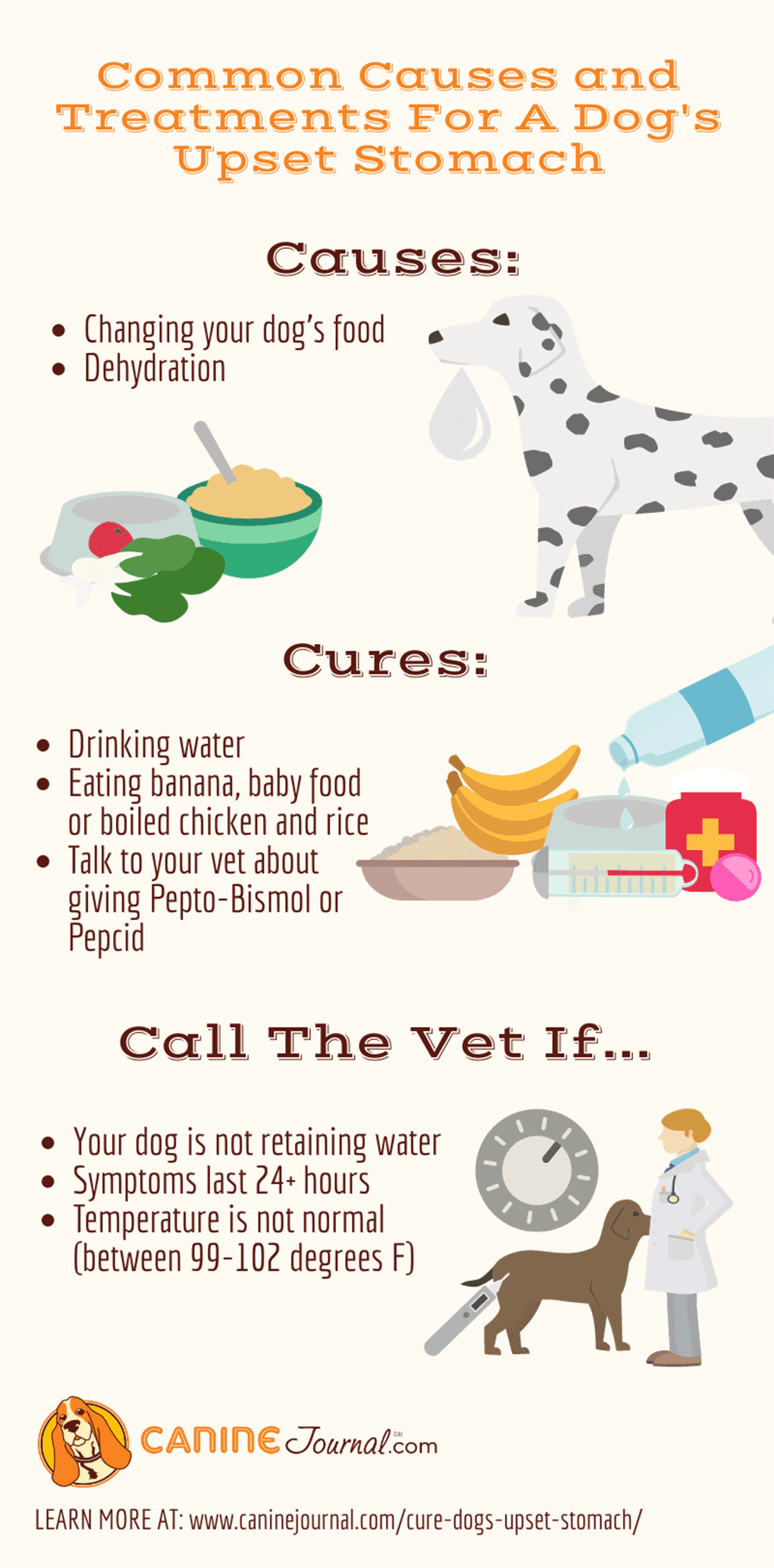
Dealing with a dog experiencing diarrhea can be a significant concern for pet parents. A common question that arises during these times is whether it’s acceptable to feed a dog with diarrhea, and if so, what kind of food is most suitable. Understanding the dietary approach can significantly aid in your dog’s recovery.
The primary recommendation from most veterinarians, as long as your dog isn’t vomiting, is to offer a bland diet. This approach, often combined with probiotics, helps to support and soothe the digestive system. Withholding food is generally not advised unless specifically recommended by your vet, as it can sometimes lead to a reluctance to eat once feeding resumes. However, for very young puppies, senior dogs, or those with pre-existing health conditions, it’s crucial to consult your veterinarian before considering any fasting. young puppies may be particularly sensitive to dietary changes.
In some instances, a short-term fast, perhaps 12 hours, might be suggested, especially if your dog has ingested something they shouldn’t have. This brief rest can allow the digestive system to clear out any irritants. Always ensure fresh water is readily available during this period, as hydration is paramount. If your dog exhibits signs of illness, vomiting, or if the diarrhea persists for more than 24 to 48 hours, immediate veterinary attention is necessary.
The Benefits of a Bland Diet for Dogs with Diarrhea
A bland diet can be highly beneficial for dogs suffering from diarrhea. It’s particularly useful following a period of fasting, provided no further episodes of diarrhea have occurred and other symptoms are absent. The goal of a bland diet is to avoid further irritating a sensitive digestive system. Incorporating probiotics and fiber additives, such as canned pumpkin, can also be supportive. This combination is most effective for acute cases where a dog has simply eaten something that upset their stomach, rather than for chronic health issues.
Implementing a Bland Diet for Your Dog
If your dog appears to be otherwise stable and doesn’t have an ongoing health condition, offering a small amount of bland food is a good next step. Bland foods are easily digestible and better tolerated by a compromised system. Feeding smaller meals more frequently is also more manageable for the body.
A typical bland diet consists of lean, white meat chicken or lean hamburger that has been boiled, combined with rice. Boiling helps to reduce the fat content, ensuring a low-fat, easily digestible meal. It’s advisable to start with a very small portion, perhaps only a tablespoon or two, to gauge your dog’s tolerance. Offering small amounts every few hours is preferable to a large meal, even if your dog seems very hungry.
Veterinarians often recommend continuing a bland diet for three to five days for mild diarrhea, assuming the dog shows consistent improvement. Any dog that remains unwell or continues to vomit requires more intensive veterinary care.
Differentiating Mild vs. Chronic Diarrhea
Mild diarrhea is generally defined as loose stools lasting less than 48–72 hours, with the dog remaining active, eating, and drinking normally, and showing no other signs of illness. Symptoms that warrant greater concern include lethargy, loss of appetite, vomiting, or the presence of blood or mucus in the stool. Acute diarrhea, which begins suddenly, can range from mild to severe depending on accompanying symptoms.
When managing acute diarrhea with a bland diet:
- Opt for a veterinarian-prescribed bland food or a carefully prepared home version.
- A balanced ratio of 1:1 boiled lean meat to rice is recommended. For instance, one cup of boiled chicken mixed with one cup of rice.
- Lean white meat chicken or lean hamburger are the preferred protein sources.
- Initially, feed approximately 2 tablespoons of the mixture per 10 pounds of body weight, offered every two to three hours on the first day. It’s crucial to avoid overfeeding.
- Over the subsequent three days, gradually increase portion sizes and decrease feeding frequency as the diarrhea improves.
- Between the third and fifth day, begin to reintroduce your dog’s regular food gradually. By the end of the week, most dogs should be back on their normal diet and feeling well.
At any point, if your dog’s condition worsens, they begin vomiting, or show signs of illness, contact your veterinarian immediately. Consistent improvement is expected after initiating bland feeding or fasting. Setbacks should prompt an immediate call to your vet.
Addressing Chronic Diarrhea in Dogs
If your dog experiences chronic diarrhea, characterized by recurring episodes over time, an underlying medical condition is likely the cause. Before an appropriate diet can be determined, this underlying condition must be diagnosed and treated, with diet often being just one component of the overall treatment plan.
For long-term gastrointestinal issues, prescription diets specifically formulated for dogs with diarrhea may be more suitable than homemade bland meals. These diets are nutritionally complete and balanced for extended use and can often be fed to other healthy dogs in the household, though you should always consult your vet first.
While a homemade bland diet is effective for short-term relief, it lacks the essential nutrients required for a dog’s long-term health. Your veterinarian can guide you in selecting from various prescription options, such as Hill’s Prescription Diet i/d, Purina EN, or Royal Canin Gastrointestinal, depending on your dog’s specific condition.
WRITTEN BY
Sandra C. Mitchell, DVM, DABVP
Veterinarian
Sandra Mitchell is a 1995 graduate of the New York State College of Veterinary Medicine. Since graduation, she has worked in many fields…
