
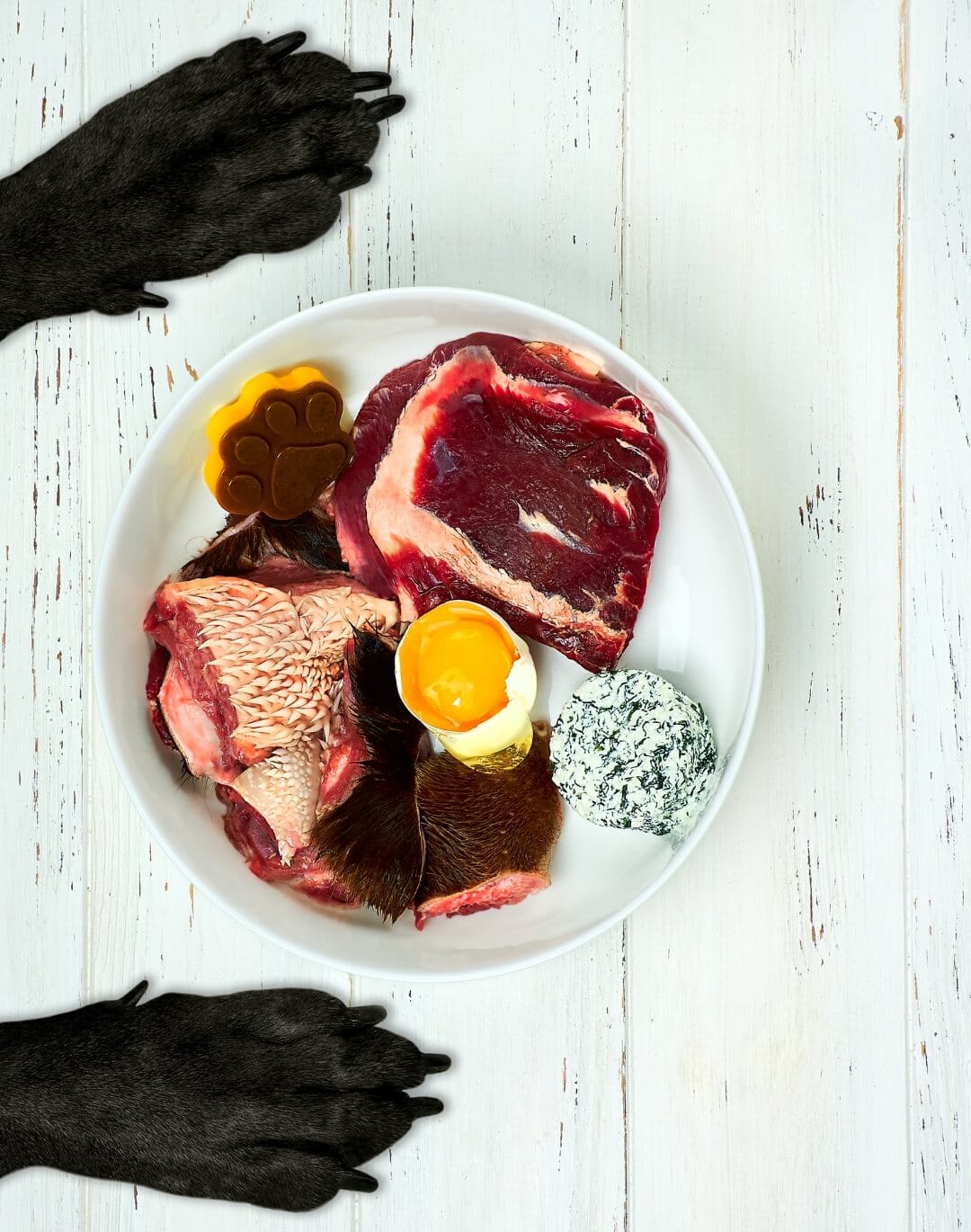
As more dog owners become conscious of their canine companions’ nutritional needs, the popularity of raw diets for dogs has surged. Navigating the world of raw feeding can be challenging, especially for those new to it. This guide delves into the types of raw meat suitable for dogs, emphasizing the benefits and essential safety considerations for a balanced and healthy diet. Understanding these aspects is crucial for ensuring your dog thrives on a raw food regimen.
The Benefits of a Raw Diet for Dogs
Feeding your dog a raw diet offers a wide array of advantages, contributing to their overall well-being. From promoting a lustrous coat and improving digestive health to fostering better long-term gut health, the positive impacts are numerous.
Nutritional Completeness
The foundation of any dog’s diet should be meat, and raw meat provides an excellent source of essential nutrients. A balanced raw diet includes:
- Proteins: Crucial for muscle development and overall bodily functions.
- Fats: Provide energy and are vital for nutrient absorption.
- Carbohydrates: While not strictly necessary, they can be beneficial for some dogs.
- Vitamins and Minerals: Essential for a wide range of physiological processes.
Unlike cooked meat, raw meat retains its full nutritional value and contains more enzymes, which can make it easier for dogs to digest. Often, raw diets are supplemented with raw fruits and vegetables, further enhancing the nutritional profile and offering additional health benefits. A raw diet can also lead to firmer stools, which is particularly helpful for dogs with anal gland issues, resulting in a shinier coat and aiding in weight management.
What Types of Raw Meat Are Safe for Dogs?
A diverse range of raw meats is suitable for canine consumption. Dogs can safely enjoy raw chicken, lamb, beef, fish, turkey, and duck. More adventurous options like venison and rabbit are also appropriate, provided the meat is high-quality and free from added sugars, salts, and preservatives.
It’s important to note that while dogs can consume some raw bones, consulting a guide on can dogs eat raw bones is recommended before feeding them.
Raw Mince for Dogs
Beef or lamb mince can be a valuable component of a raw diet. Opting for mince from a reputable commercial raw dog food company is often preferable to supermarket varieties. These companies adhere to strict safety and hygiene protocols, offering peace of mind for both the owner and the pet.
Processed Meats: Sausages and Beyond
It is crucial to avoid processed meats, whether cooked or raw, including sausages, meatballs, ham, and bacon. These products are frequently high in salt and seasonings, and may contain additives that can cause digestive upset in dogs.
Is It Safe to Feed Dogs Raw Meat?
When handled and prepared correctly, raw meat is entirely safe for dogs. Studies, such as one conducted at Helsinki University on cross-contamination in raw dog food, have indicated a very low incidence of pathogen transmission across a significant number of households over several years.
Proper storage and handling are key, following the same simple hygiene steps you would use when preparing raw meat for human consumption. Reputable brands like Natures Menu implement stringent safety checks and prepare their raw meals from high-quality ingredients under controlled conditions.
Supermarket Meat vs. Commercial Raw Dog Food
While supermarket meat is typically cooked before human consumption, which would eliminate bacteria, raw meat intended for dogs can carry higher bacterial loads. For this reason, it is always best to source meat from a trusted raw pet food brand. Whether you choose ready-to-mix mince for homemade meals or balanced pre-made options, you can be assured the meat has been prepared specifically for raw consumption, ensuring your dog is enjoying a safe and appropriate diet. Commercial brands offer balanced 80/20 nuggets and other products designed for canine health.
Homemade Raw vs. Pre-made Raw Dog Food
Many dog owners enjoy the rewarding experience of preparing their pet’s food at home, including raw diets. However, several factors must be considered.
Understanding Homemade Raw Dog Food
Homemade raw dog food is prepared at home using raw animal protein. It typically comprises a combination of raw animal protein, vegetables, fruits, and sometimes a small amount of healthy grains.
Considerations for Homemade Raw Food
Creating homemade raw food requires thorough research to ensure it meets all your dog’s nutritional requirements. You will need to calculate the appropriate calorie intake based on your dog’s age, breed, and activity level, and determine the correct portion size. For owners considering this path, a DIY raw food guide can provide valuable insights into ingredients, preparation processes, and crucial safety measures like preventing cross-contamination.
The Advantages of Pre-made Raw Dog Food
While homemade raw food offers complete control, pre-made raw food provides similar health benefits with significantly added convenience. It eliminates the need for shopping, food preparation, and the complex task of ensuring nutritional completeness. Brands like Natures Menu have already conducted the necessary research, formulating Complete and Balanced raw meals with high-quality raw meat, fruits, and vegetables in the correct ratios and quantities.
Furthermore, certain raw meats, such as chicken and fish, carry a higher risk of bacterial contamination (e.g., salmonella) if not stored or handled properly. Pre-made dog food is prepared in commercial facilities, minimizing the likelihood of cross-contamination.
The Bottom Line on Raw Meat for Dogs
Whether incorporated into homemade recipes or purchased as pre-made meals, raw meat is an excellent dietary option for dogs. The key is to ensure that the meals are complete and balanced, providing your dog with all the necessary nutrients for a happy and healthy life.
Raw Meat for Dogs — FAQs
How Much Raw Meat Should I Feed My Dog?
Commercial raw food simplifies feeding by removing the guesswork and preventing potential nutritional deficiencies. You can be confident your dog receives the required minerals and vitamins in the correct amounts. A dog food calculator can be a helpful tool for determining the appropriate portion size based on your dog’s weight and the food’s energy density, following European Pet Food Guidelines.
Can Dogs Eat Raw Chicken?
Raw chicken is a lean protein source, relatively low in calories, making it a suitable option for dogs. However, improper handling can increase the risk of bacterial contamination, such as salmonella. If considering raw chicken for homemade food, a raw chicken guide offers helpful advice.
Can Dogs Eat Steak?
Steak is rich in zinc and iron, which are vital for thyroid function, a healthy immune system, and metabolism. It also provides B12, essential for brain and nervous system health. Cooked steak leftovers, provided they are not too fatty and contain no bones, can serve as an occasional treat. Ensure scraps are free from sauces and seasoning. Never feed cooked steak bones, as they can splinter and cause internal blockages or intestinal damage.
Can Dogs Eat Raw Mince?
Yes, dogs can eat raw mince. Many single-protein and mixed minces are available and ideal for use in homemade raw recipes.
Can Dogs Eat Fish?
Fish is an excellent protein source for dogs, being low in fat and high in omega-3 fatty acids, which have anti-inflammatory properties beneficial for skin and coat health. While most fish are safe, it’s advisable to avoid swordfish, king mackerel, and tuna due to their potential for higher levels of mercury and parasites. For raw fish consumption, feeding pre-made raw dog food is recommended.
Consider trying our personalised raw meal plans, featuring high-quality raw ingredients designed to keep your dog healthy and happy.
