
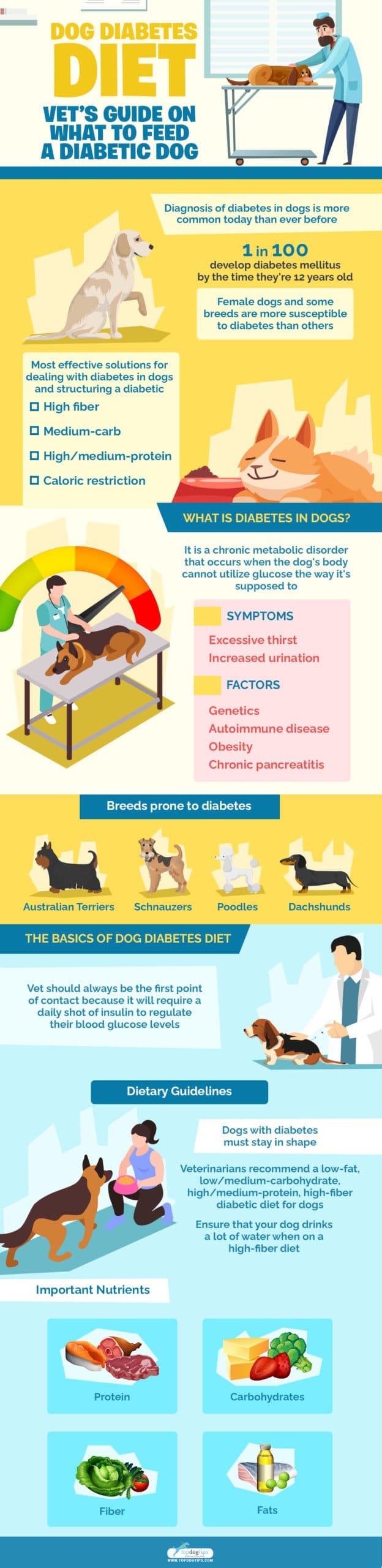
Welcoming a dog into your life is a joyous occasion, but when your canine companion is diagnosed with diabetes, it opens a new chapter of care and management. Much like humans with diabetes, dogs require a carefully managed diet and consistent routine to maintain stable blood sugar levels. While insulin injections are a cornerstone of treatment, the food you provide and when you provide it are equally critical for your dog’s long-term health and happiness. This guide will delve into the essential dietary and scheduling considerations for feeding a dog with diabetes, helping you navigate this condition with confidence.
Understanding Canine Diabetes Mellitus
Canine diabetes mellitus, similar to type 1 diabetes in humans, arises from insufficient insulin production by the pancreas. Insulin is vital for allowing glucose (sugar from food) to enter the body’s cells for energy. When insulin is deficient, glucose accumulates in the bloodstream, leading to hyperglycemia (high blood sugar). This condition often manifests as increased thirst, frequent urination, and unexplained weight loss despite a ravenous appetite. Without proper management, persistent high blood sugar and insulin deficiency can lead to serious organ damage and, ultimately, be fatal. Treatment invariably involves regular insulin injections, prescribed by a veterinarian, and significant adjustments to the dog’s diet to help regulate glucose levels.
Optimal Nutrition for Diabetic Dogs
The most crucial elements in a diabetic dog’s diet are the balance of fiber, starch, and protein.
Starch is a type of carbohydrate that is quickly digested and absorbed into the bloodstream as glucose. Diets high in starch can cause rapid spikes in blood glucose levels after a meal. Therefore, diabetic dogs benefit most from a low-starch diet to prevent dramatic fluctuations in their glucose readings.
Protein is essential for maintaining and building muscle mass. Since diabetic dogs cannot effectively use glucose for energy due to insulin deficiency, their bodies may break down muscle and fat for fuel. A diet rich in protein helps preserve muscle tissue and supports a healthier body weight.
Fiber plays a significant role in slowing down the digestive process. By binding to starch molecules, fiber prevents their immediate absorption. This gradual absorption of glucose into the bloodstream leads to a less pronounced spike in blood glucose levels post-meal.
Ensuring your diabetic dog receives adequate vitamins and minerals is also paramount for their overall health.
The most straightforward and reliable approach to meeting these specific dietary needs is to feed them a prescription diet. These specialized diets are formulated by veterinary professionals and have undergone clinical trials to verify their efficacy in managing diabetic dogs’ blood sugar. Common veterinary-recommended diets for diabetic dogs include Royal Canin’s Glycobalance, Hill’s Prescription Diet w/d, and Hill’s Prescription Diet Metabolic.
Essential Feeding Strategies for Diabetic Dogs
Adhere to a Strict Feeding Schedule
Beyond the type of food, the timing of meals is critically important for diabetic dogs. Eating naturally causes a rise in blood glucose. In healthy dogs, insulin is released to manage this rise. Diabetic dogs, however, must receive their insulin injection to manage this glucose spike. Since insulin needs to be administered at a consistent time daily, your dog must be fed at the same times each day to synchronize with their insulin dosage.
Diabetic dogs typically do best with two meals per day, administered approximately 12 hours apart. It’s crucial to avoid feeding your dog any treats or additional food between these scheduled mealtimes, as this can lead to another unwarranted increase in blood glucose. Maintaining a consistent glucose level is the primary goal, so any spikes outside of the insulin’s action need to be prevented.
Monitor Your Dog’s Weight Closely
Weight loss is a common symptom observed in dogs before a diabetes diagnosis. After a diagnosis, it’s advisable to weigh your dog every 2-3 weeks. Ideally, your dog should gain or at least maintain their weight once their diabetes is well-controlled.
If you observe unexplained weight loss, it indicates that your dog’s diabetes is not adequately managed. Even after your dog’s diabetes has been stable for a period, regular weight checks every 2-3 months are important. Persistent weight loss is a clear signal that the diabetes management plan needs review. Furthermore, weight management is crucial because an overweight dog may require a higher insulin dosage.
Regular veterinary check-ups every 3-6 months are essential for diabetic dogs, and your veterinarian will always monitor their weight during these appointments.
Master Insulin Injection Management
Administering insulin injections in conjunction with mealtimes is key to counteracting post-meal blood glucose spikes. The insulin injection is generally best given after your dog has consumed their full meal. While most dogs tolerate insulin injections well, seek your veterinarian’s guidance if you encounter difficulties.
If your dog consistently eats less than half of their meal, you will need to adjust their insulin dose accordingly. For instance, if your pet consumes less than half of their food, administer only half of their prescribed insulin dose. Crucially, even if your pet refuses to eat anything, they should still receive a half dose of insulin. This helps mitigate potentially elevated blood glucose levels. Administering a full dose of insulin when a dog hasn’t eaten can lead to dangerously low blood sugar, a condition known as hypoglycemia.
Signs of hypoglycemia include disorientation, loss of balance or coordination, collapse, or even loss of consciousness. If you notice any of these symptoms, offer your dog canned food if they are able to eat. If they are unwilling or unable to eat, administer honey or Karo syrup to help reverse the dangerously low blood sugar.
In cases of hypoglycemia or inconsistent eating patterns, it is imperative to contact your veterinarian immediately. Consistent monitoring and timely intervention are vital for the well-being of your diabetic dog.
