
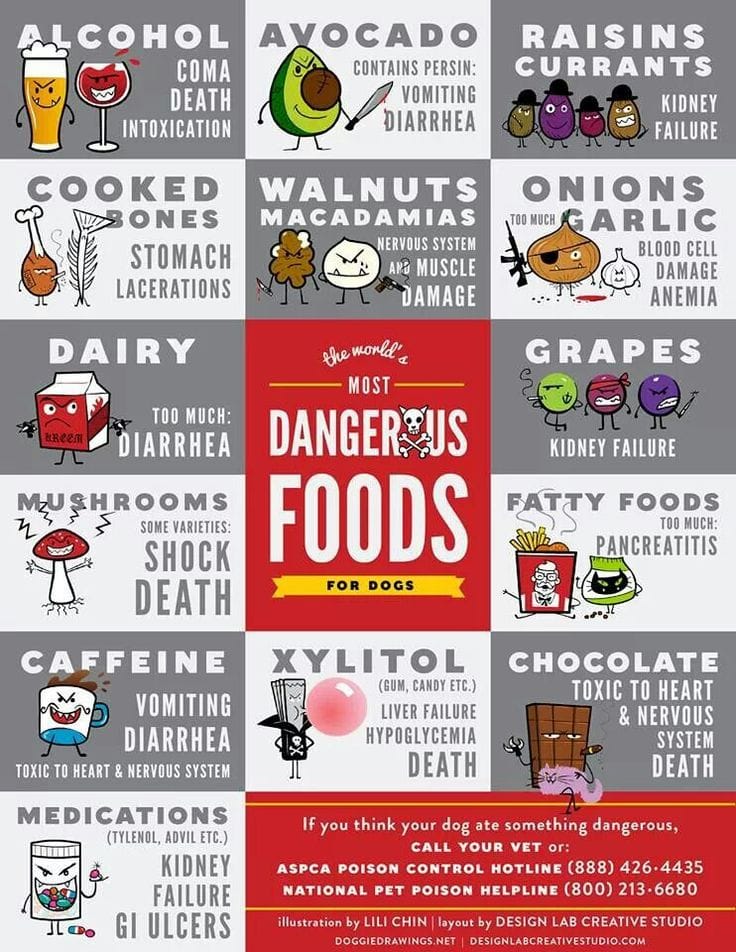
Bringing a dog into your life is a joyous experience, but it also comes with a significant responsibility to ensure their safety and well-being. While our canine companions often look at us with pleading eyes, it’s crucial to understand that not all human foods are safe for them. Some common household items can be downright toxic, leading to severe health issues or even death. This guide delves into the specific foods and substances that pose a danger to your dog, offering essential knowledge to keep your furry friend healthy and happy.
Dangerous Foods for Dogs
It’s a common misconception that only obvious toxins are harmful to dogs. Many everyday foods and ingredients can cause serious problems. Here’s a breakdown of 16 items you should absolutely keep away from your dog:
- Chocolate
- Gum and candy
- Xylitol
- Grapes
- Raisins
- Macadamia nuts
- Avocados
- Onions
- Garlic
- Salt
- Tea leaves
- Raw yeast dough
- Spoiled foods
- Fatty foods
- Coffee
- Alcohol
For a more comprehensive list of household items that can harm your pet, please refer to our 101 Things You Didn’t Know Could Harm Your Pet resource.
1. Chocolate
The theobromine and caffeine in chocolate are potent stimulants that can dangerously accelerate your dog’s heart rate, elevate blood pressure, and in severe cases, lead to seizures or death. Darker chocolates, such as baker’s chocolate and semi-sweet varieties, contain higher concentrations of these harmful substances, making them particularly dangerous. Smaller breeds are also more susceptible to the effects of smaller amounts compared to larger dogs. You can find more detailed information on safe chocolate consumption for dogs in our Dogs and Chocolate Infographic.
2. Gum and Candy
While the idea of a dog chewing gum might seem amusing, it poses serious risks. Dogs lack the understanding to chew gum appropriately and are likely to swallow it, leading to choking hazards or intestinal blockages. Similarly, chewy candies like caramel or taffy can cause these issues, and hard candies can result in fractured teeth. The most significant danger associated with gum and candy is the presence of Xylitol, an artificial sweetener with severe toxic effects on dogs.
3. Xylitol
Xylitol is a widely used sugar substitute found in numerous products, including sugar-free gum, candies, desserts, yogurt, and even peanut butter. Ingestion of Xylitol can trigger a rapid drop in blood sugar (hypoglycemia), leading to seizures and potentially fatal liver failure in dogs. Always check the ingredient labels of human foods before offering them to your pet.
4. Grapes and Raisins
Grapes and their dried counterparts, raisins, are highly toxic to dogs and can cause acute kidney failure. Even a small amount can provoke a severe reaction. It is essential to keep these fruits and any dishes containing them out of your dog’s reach. If you suspect your dog has ingested grapes or raisins, contact your veterinarian or a pet poison control center immediately.
5. Macadamia Nuts
These nuts, while a popular snack for humans, can cause significant distress to dogs. Although the exact toxic component is unknown, symptoms include vomiting, hyperthermia, tremors, and severe gastrointestinal upset. They are often found in baked goods, so be mindful of where your dog might find them.
6. Avocados
Avocados contain a fungicidal toxin called persin, which can be harmful to dogs, particularly in higher concentrations found in the leaves, skin, and pit. While the flesh may have lower levels, it’s best to err on the side of caution and prevent your dog from accessing any part of the avocado, including guacamole.
7. Onions and Garlic
Both onions and garlic, in all their forms (raw, cooked, powdered), contain compounds that can damage a dog’s red blood cells, leading to anemia. This can be life-threatening as the body’s ability to transport oxygen is compromised. Dogs may be attracted to their strong flavors, so secure storage is vital.
8. Salt
Excessive salt intake, whether from direct consumption or from salty snacks like chips and pretzels, can lead to sodium ion poisoning. Symptoms include extreme thirst, excessive urination, vomiting, and diarrhea, and can cause significant kidney damage.
9. Tea Leaves
The caffeine present in tea leaves is also problematic for dogs. While your dog might not show interest in a teabag, ensure all tea products are stored safely away from curious pets.
10. Raw Yeast Dough
Consuming raw yeast dough can cause your dog’s stomach to expand painfully, leading to gas and dangerous bloating. In severe cases, this can result in gastric dilatation-volvulus (GDV), a life-threatening condition where the stomach twists. Furthermore, the fermentation process of yeast produces alcohol, potentially leading to alcohol poisoning.
11. Spoiled Foods
Garbage cans often contain spoiled or moldy food, which can harbor harmful bacteria and mycotoxins. Ingesting these can cause severe gastrointestinal upset, vomiting, diarrhea, and in the case of mycotoxins, serious muscle tremors. Ensure your trash is securely disposed of.
12. Fatty Foods
While fatty treats might seem tempting, they can lead to gastrointestinal upset, including vomiting and diarrhea. More serious is the risk of pancreatitis, an inflammation of the pancreas, which can be extremely painful for your dog. Certain breeds are more predisposed to this condition.
13. Coffee
Similar to chocolate and tea, coffee contains caffeine, which is toxic to dogs. This applies to all forms of coffee, including brewed coffee, grounds, and beans. Even used coffee grounds can pose a risk if ingested.
14. Alcohol
Alcoholic beverages and foods containing alcohol can have amplified and dangerous effects on dogs, even in small amounts. It can severely impact their central nervous system, potentially leading to coma or death. It is never appropriate to offer alcohol to your dog.
Dogs Most at Risk
While any dog can be susceptible to ingesting harmful substances, certain personality traits can increase the risk. Highly curious dogs or those prone to putting objects in their mouths require extra vigilance and supervision to prevent accidental poisoning.
Emergency Tips for Dog Poisoning
Knowing the list of dangerous foods is crucial, but accidents can still happen. If you suspect your dog has ingested a toxic food or substance, it’s vital to act quickly and calmly.
- Contact your veterinarian or the ASPCA Animal Poison Control Center (APCC) immediately. The APCC can be reached 24/7 at 888-426-4435. A consultation fee may apply.
- Remain calm and do not attempt to treat your dog without professional guidance. Incorrect treatment can cause further harm.
- Be prepared for veterinary intervention. Depending on the situation, your vet may need to induce vomiting, administer IV fluids, or prescribe medications. Hospitalization might be necessary for severe cases.
Financial concerns regarding emergency treatment can be eased by considering pet insurance. Obtaining a quote for a plan can provide peace of mind, ensuring you can afford necessary medical care should your dog ever face a poisoning emergency.
