
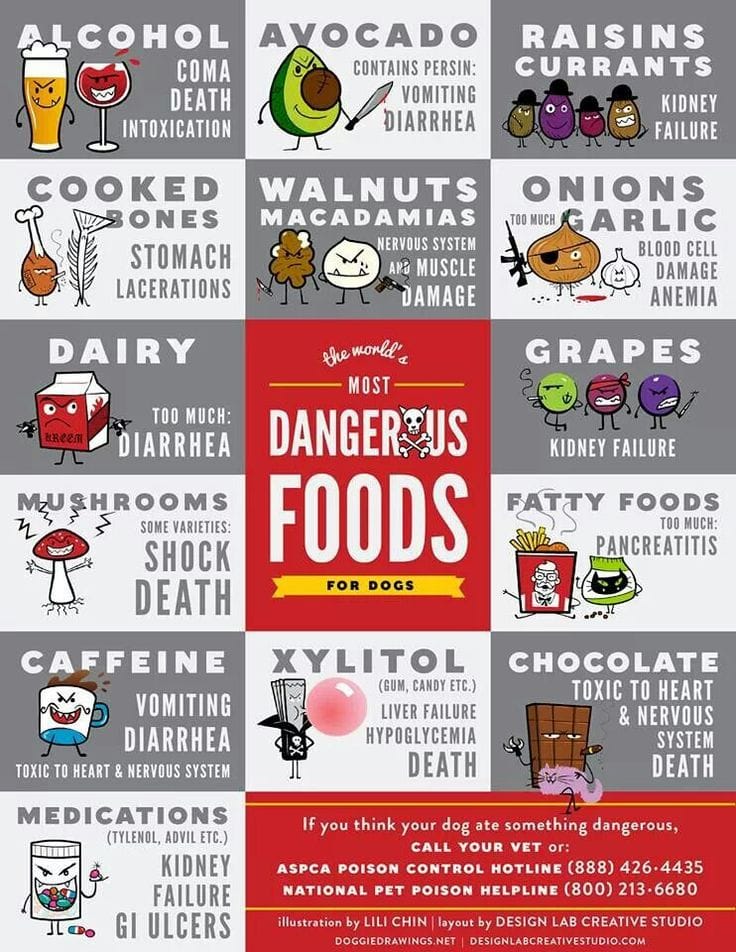
Welcoming a dog into your home means taking on the responsibility of their health and well-being, and a crucial part of that is understanding their diet. While it’s tempting to share our meals with our furry companions, many common human foods are not only unappealing but can be downright dangerous for dogs. This guide will delve into the specific foods that pose a risk to your canine friend, explaining why they are harmful and what steps to take in case of accidental ingestion. Understanding these dietary risks is paramount to ensuring your dog lives a long, healthy, and happy life.
Harmful Human Foods for Dogs
It’s essential to be aware of the human foods that can cause serious health issues for dogs. While some, like chocolate, are widely known to be toxic, others might come as a surprise. Regularly scanning ingredient lists for hidden dangers and keeping tempting human food out of reach are vital preventive measures.
Here’s a comprehensive list of foods dogs should absolutely never consume:
- Chocolate: Contains theobromine and caffeine, which are stimulants that can lead to heart issues, seizures, and even death. Darker chocolates are more dangerous due to higher concentrations of these stimulants.
- Gum and Candy: Can cause choking or digestive blockages if swallowed. Many candies are sweetened with Xylitol, a highly toxic substance. Hard candies can also fracture teeth.
- Xylitol: A artificial sweetener found in gum, candy, desserts, yogurt, and some peanut butters. It can cause hypoglycemia, seizures, and liver failure in dogs.
- Grapes and Raisins: Highly toxic and can lead to acute kidney failure, even in small amounts.
- Macadamia Nuts: Cause severe gastrointestinal upset, vomiting, hyperthermia, and tremors. The exact toxic compound is unknown.
- Avocados: Contain persin, which can be harmful, particularly in the leaves, skin, and pit.
- Onions, Garlic, and Chives: These alliums contain compounds that damage a dog’s red blood cells, leading to anemia. Onion and garlic powder are also dangerous.
- Salt: Excessive salt intake can lead to salt poisoning, causing excessive thirst and urination, vomiting, and diarrhea, and can damage the kidneys.
- Tea Leaves: Contain caffeine, posing risks similar to chocolate.
- Raw Yeast Dough: Can expand in a dog’s stomach, causing painful gas, bloating, and potentially a life-threatening condition called bloat. Fermentation also produces alcohol, leading to alcohol intoxication.
- Spoiled Foods: Rotting or moldy foods can harbor dangerous bacteria and mycotoxins, causing severe gastrointestinal distress and neurological issues like tremors.
- Fatty Foods: While dogs enjoy fatty treats, excessive consumption can lead to vomiting, diarrhea, and pancreatitis, a serious inflammation of the pancreas.
- Coffee: Like tea and chocolate, coffee is dangerous due to its caffeine content, affecting the heart and nervous system. This includes coffee grounds and beans.
- Alcohol: Even small amounts can cause intoxication, affecting the nervous system and potentially leading to coma or death. Dogs are more sensitive to alcohol than humans.
The Dangers of Common Culprits
Understanding why these foods are harmful is key to prevention. Chocolate, for instance, contains theobromine, a stimulant that dogs metabolize much slower than humans. This slower metabolism allows theobromine to build up to toxic levels, affecting the cardiovascular and central nervous systems. The darker the chocolate, the higher the concentration of theobromine, making baker’s chocolate and dark chocolate particularly hazardous. Smaller dogs are also at greater risk due to their lower body weight. [What happens if you feed dogs human food] can range from mild stomach upset to severe, life-threatening conditions, underscoring the importance of strict dietary control.
Xylitol is another silent danger, often found in sugar-free products like gum and candy. Its rapid absorption in dogs triggers a massive insulin release, leading to a dangerous drop in blood sugar and, in severe cases, liver failure. Always check the ingredients of sugar-free items before sharing or leaving them accessible. Similarly, grapes and raisins, while seemingly harmless, can cause acute kidney failure in dogs. The exact toxic component is unknown, but even a small amount can have devastating consequences. [What type of peanut butter is bad for dogs]? Look for brands containing Xylitol, as pure peanut butter is generally safe in moderation, but the artificial sweetener is a deadly addition.
Onions and garlic, along with other members of the allium family like chives and leeks, contain compounds that can damage a dog’s red blood cells, leading to hemolytic anemia. This condition reduces the blood’s ability to carry oxygen throughout the body, and chronic exposure can be fatal. The risk isn’t limited to raw forms; cooked onions and garlic, as well as powders, are equally dangerous. Be mindful of hidden sources like seasonings, broths, and baby food.
Beyond the Obvious: Less Common Dangers
While chocolate and onions are well-known hazards, other foods like avocados and macadamia nuts also present risks. Avocados contain a fungicidal toxin called persin, which can cause vomiting and diarrhea in dogs, particularly if they consume the pit, skin, or leaves. Macadamia nuts, though less common, can trigger neurological symptoms such as weakness, tremors, and vomiting.
Raw yeast dough is another insidious threat. When ingested, the yeast ferments in the warm, moist environment of a dog’s stomach, producing alcohol and carbon dioxide gas. This can lead to severe bloating, abdominal pain, and potentially a life-threatening condition called gastric dilatation-volvulus (GDV), where the stomach twists. The alcohol produced can also cause alcohol poisoning. It is crucial to store raw dough and any baked goods containing it out of your dog’s reach.
What Dogs are at Risk?
All dogs, regardless of breed, age, or size, are susceptible to the dangers of consuming toxic human foods. However, certain behavioral traits can increase a dog’s risk. Dogs that are naturally curious, have a tendency to scavenge, or are prone to eating non-food items (pica) may require more vigilant supervision. Puppies, with their exploratory nature, are also at a higher risk. Ultimately, the responsibility lies with the owner to create a safe environment by securing dangerous foods and educating themselves on potential hazards. [What food should you never feed your dog]? The safest approach is to err on the side of caution and stick to a diet specifically formulated for canine needs.
Emergency Tips for Accidental Ingestion
If you suspect your dog has ingested a harmful food or substance, it’s crucial to act quickly and calmly. The first step is to contact your veterinarian or an animal poison control center immediately. The ASPCA Animal Poison Control Center (APCC) is available 24/7 at 888-426-4435. While a consultation fee may apply, professional guidance is invaluable in determining the best course of action.
Do not attempt to induce vomiting or administer any home remedies without explicit instructions from a veterinary professional. Some substances can cause more harm if vomited back up, and attempting treatment without expertise can lead to further injury to your pet or even yourself. Your vet may recommend bringing your dog in for examination, diagnostic tests, induced vomiting, fluid therapy, or medication, depending on the ingested substance and the dog’s condition. In severe cases, hospitalization might be necessary.
To help manage potential veterinary costs, consider exploring pet health insurance options. Plans like those offered by the ASPCA can provide financial assistance for unexpected medical emergencies, offering peace of mind when your dog has a health scare. Being prepared can make a significant difference in ensuring your beloved pet receives the best possible care during a crisis.
