
Welcoming a dog into your family, whether as a seasoned pet parent or a first-timer, often brings a wave of questions, especially regarding their diet. One common query veterinarians frequently hear is, “Can dogs eat peanut butter?” The good news is that regular peanut butter is generally safe for dogs as an occasional treat. However, a critical distinction must be made: always avoid peanut butter containing Xylitol, a sugar substitute found in some lower-calorie or sugar-free products. Xylitol is the sole ingredient in peanut butter that is harmful to dogs. Regardless of the brand, if your dog consumes peanut butter free of Xylitol, your canine companion can safely enjoy it. But what else do you need to know to ensure your dog’s safety? We consulted a veterinary nutritionist for valuable insights into peanut butter safety for dogs.
Understanding the Risks: Xylitol and Misinformation
Dr. Laura Gaylord, a distinguished veterinary nutritionist, speaker, and consultant for pet parents, pet supplements, and the pet food industry, highlights a significant issue: “Unfortunately, there is so much misinformation on the internet when it comes to animal nutrition. You can find information to support really any opinion or bias you have about a subject, and it is difficult to know what is truly factual versus opinion. It is a big problem.” While it’s true that animal nutrition shares some similarities with human nutrition, certain human-safe foods can be detrimental to pets. The sugar substitute Xylitol, commonly found in commercial products for human consumption, including some peanut butters, exemplifies this. While safe for humans, it is poisonous for dogs and cats. Dr. Gaylord confirms, “There have been plenty of cases of toxicity due to xylitol. We know it’s highly toxic in dogs and cats.”
Safe Peanut Butter Consumption for Your Dog
Despite the risks associated with Xylitol, dogs can safely consume peanut butter as long as it is the regular variety, free from toxic additives. Dr. Gaylord emphasizes the importance of reading ingredient labels before feeding any human-grade products to animals. Her advice is clear: “If you are going to use peanut butter to give your dog treats or medicine, which many people do, it should only have peanuts, salt and maybe sugar. Make sure it doesn’t have Xylitol.”
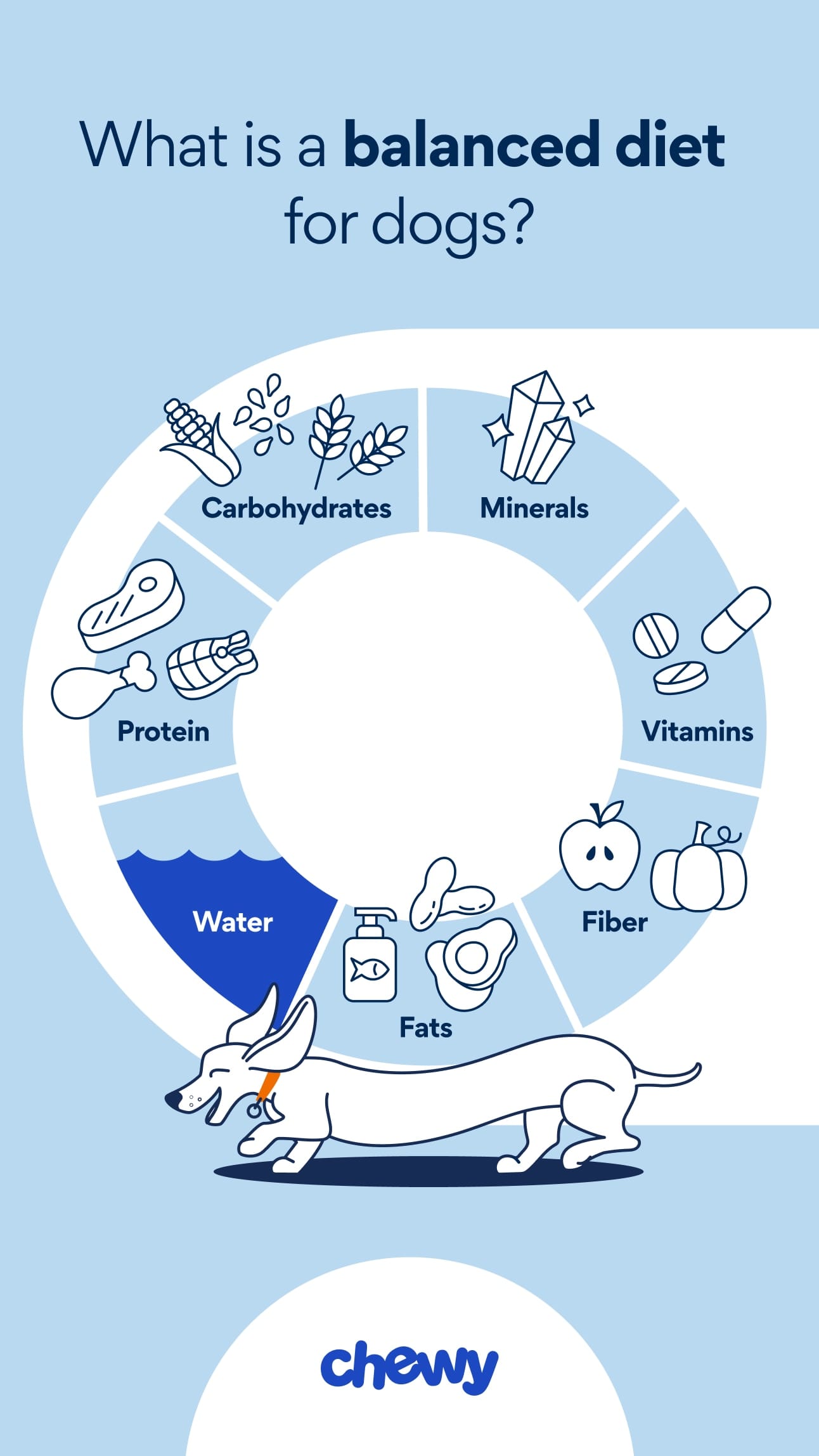
For the safest option, consider peanut butter treats specifically formulated for dogs. According to Dr. Gaylord, these products are “generally going to be okay because they are formulated by animal nutritionists.” Additionally, many peanut butter treats are available in local pet food stores. However, it is crucial to remember that peanut butter and treats containing peanut butter are just that – treats. They should be given in moderation and not as a substitute for a balanced meal.
While sensationalized stories online might suggest peanut butter is deadly for dogs, peanut butter without Xylitol is perfectly safe. Always read the ingredients label before giving your dog any peanut butter product. This vigilance extends to all human foods you consider sharing with your pet. For precise guidance on serving sizes and pet nutrition, always consult your veterinarian or a veterinary nutritionist.
Frequently Asked Questions About Dogs and Peanut Butter
Here are some common questions about peanut butter and dogs, with answers from our expert:
Can dogs have peanut butter?
Yes, provided the peanut butter you choose does NOT contain Xylitol. Always check the label to ensure it contains only peanuts, salt, and perhaps sugar. This applies to puppies as well; Xylitol-free peanut butter is acceptable for an occasional treat. Remember to limit treats and snacks to no more than 10% of their daily intake to maintain a healthy, complete, and balanced diet.Is peanut butter good for dogs?
Peanut butter without Xylitol serves as an excellent treat for your pet. However, it is precisely that – a treat. Peanut butter is high in fats. While these are generally considered good fats, excessive consumption can be problematic for dogs with fat sensitivities.Can dogs eat peanut butter and jelly sandwiches?
A small taste of a peanut butter and jelly sandwich can be a safe and enjoyable treat for a dog. However, always remember to limit treats to no more than 10% of their daily calories. Consider offering a small corner or bite of your sandwich rather than the entire thing! Crucially, ensure the peanut butter used is Xylitol-free. If you’re exploring other human foods your dog can enjoy, you might wonder what table food puppies can eat.Can dogs eat crunchy peanut butter?
Whether crunchy or smooth, regular peanut butter is safe for your dog as a treat, as long as it does not contain Xylitol. The texture does not alter the safety of the peanut butter itself. For specific breed considerations, understanding what chihuahuas can eat human food can also be informative.How much peanut butter can I give my dog?
The appropriate serving size depends on your dog’s size. It is always best practice to consult your veterinarian or veterinary nutritionist regarding serving sizes and pet nutrition. The general guideline is that treats and snacks should not exceed 10% of a pet’s daily caloric intake to prevent unbalancing their overall diet. When considering other foods, it’s important to know what fruits dogs are not allowed to eat.Why do dogs like peanut butter?
Most dogs have a strong preference for the taste of proteins and fats. Therefore, peanuts, and especially peanut butter, are highly palatable to dogs! For those interested in understanding their dog’s preferences further, exploring what Yorkies love to eat can offer additional insights.
In conclusion, while peanut butter can be a delightful and safe treat for your dog, vigilance regarding ingredients is paramount. Always choose Xylitol-free varieties and offer it in moderation as part of a balanced diet. For any concerns about your dog’s nutrition, a veterinarian or veterinary nutritionist is the most reliable source of information.
