
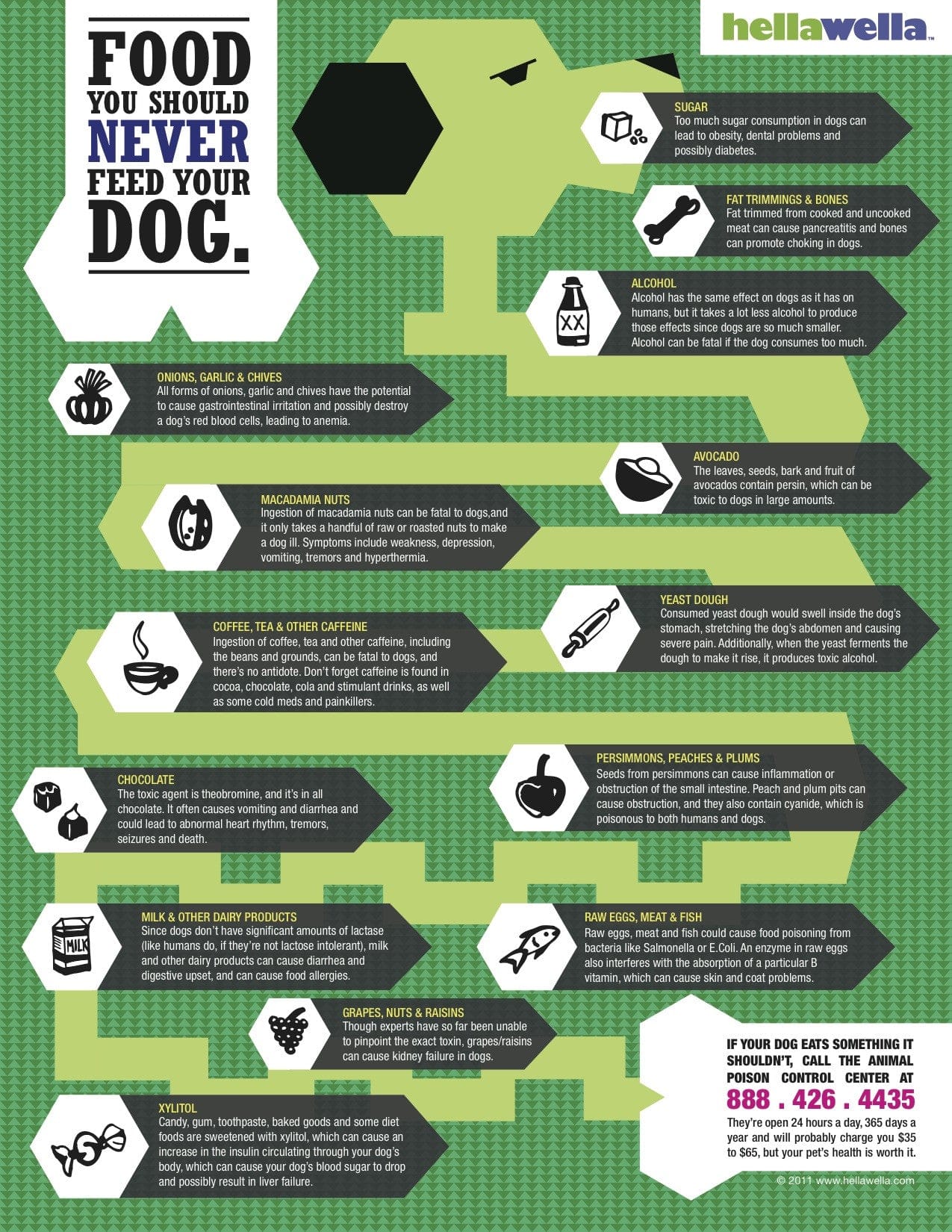
As devoted pet owners, we naturally want to provide our canine companions with the best nutrition possible. Dogs, with their carnivorous ancestry, are often drawn to the savory aroma of meats. However, not all meats are created equal when it comes to canine health. While the occasional forbidden bite might not cause immediate harm, consistently feeding your dog unsafe meats can lead to a range of health issues, from digestive upset to more severe conditions. Understanding which meats pose a risk is crucial for ensuring your dog’s long-term well-being. This guide will delve into the types of meat that should be strictly avoided and offer insights into safer alternatives.
Meats to Strictly Avoid
Bacon
Bacon, a cured meat renowned for its salty and fatty profile, is a popular human food that should be kept far away from your dog’s diet. The primary concern with bacon is its exceptionally high salt content. Excessive sodium intake in dogs can lead to several adverse health effects, including increased thirst, which can, in extreme cases, contribute to bloat – a potentially life-threatening condition. High salt levels can also cause vomiting, diarrhea, tremors, elevated body temperature, and even seizures. In severe cases, consuming more than 1.5 grams of salt per pound of body weight can be lethal due to sodium ion poisoning. While a tiny, accidental ingestion might not be cause for panic, frequent consumption of salty foods like bacon can have grave consequences for your dog’s health.
Furthermore, bacon’s high fat content presents significant risks. Fats are difficult for dogs to digest, often resulting in vomiting and diarrhea. More critically, high fat intake can trigger pancreatitis, an inflammation of the pancreas. Mild pancreatitis can manifest as vomiting, diarrhea, and appetite loss. Severe cases can lead to digestive enzymes leaking into the abdominal cavity, causing damage to the liver, gallbladder, and intestines. Therefore, it’s best to reserve bacon for human consumption only.
Ham
Similar to bacon, ham, particularly commercially prepared varieties, contains high levels of sodium. As previously discussed, excessive sodium can lead to salt poisoning and bloat, both of which can be fatal for dogs. Store-bought hams also often contain preservatives rich in nitrates and nitrites, which are sodium-based and further increase the risk of sodium-ion poisoning. Ham is also high in fat, contributing to digestive issues like vomiting and diarrhea, and posing a risk of pancreatitis. Additionally, excessive fat intake can lead to obesity in dogs, a leading cause of various chronic health problems.
Processed Meats (Deli Meats, Hot Dogs)
Processed meats like deli meats and hot dogs are laden with ingredients that are detrimental to dogs. These include:
- Additives and Seasonings: Processed meats are frequently seasoned with garlic and onion powders, both of which are toxic to dogs. They also contain preservatives such as sodium-based nitrates and nitrites, as well as flavor enhancers like monosodium glutamate (MSG), which has been linked to cancer.
- Sugars and Artificial Sweeteners: Many processed meats contain artificial sweeteners like Xylitol, which is highly toxic to dogs and can cause a rapid drop in blood sugar, liver failure, and even death. Other sweeteners can cause gastrointestinal distress.
- Choking Hazard: The size and shape of hot dogs, in particular, can pose a choking hazard, especially for larger dogs who may attempt to swallow them whole without chewing.
- High Salt Content: A single hot dog can contain over 500 mg of sodium. Deli meats also have a high salt density. As mentioned, high salt intake can lead to salt poisoning, bloating, vomiting, diarrhea, tremors, and seizures.
- Fat Content: Processed meats often utilize meat scraps and fatty trimmings, leading to high fat content that is unhealthy for dogs and can contribute to pancreatitis.
- Listeria Risk: Deli meats can harbor Listeria bacteria, which can cause a foodborne illness called listeriosis in dogs, leading to symptoms like diarrhea, vomiting, and fever. This bacterium can also be transmitted to humans through a dog’s saliva.
Chicken with Bones
While plain, cooked chicken is a staple in many dog diets, chicken bones present a significant danger. Cooked chicken bones are brittle and splinter easily, creating sharp fragments that can puncture the esophagus, stomach, or intestines. Larger bones can also become lodged in a dog’s throat, causing choking. Intestinal blockages are another serious consequence. If your dog exhibits signs of distress such as coughing, difficulty breathing, vomiting, or diarrhea after consuming chicken bones, seek veterinary attention immediately. Always opt for boneless, skinless chicken breast meat for your dog.
Meats to Introduce with Caution
While generally considered safe, pork, fish, and boneless chicken should be introduced to your dog’s diet cautiously. Always start with small quantities to monitor for any allergic reactions, sensitivities, or digestive upset. Remember to avoid any seasonings when preparing these meats for your dog.
Chicken Meat
Chicken is a good source of protein and omega-6 fatty acids, making it a common ingredient in commercial dog foods. However, it’s also one of the most frequent causes of food allergies in dogs. Signs of a chicken allergy can include intense itching (especially around the face and ears), obsessive licking and biting of paws, hair loss, skin irritation, rashes, hives, coughing, wheezing, and gastrointestinal issues like vomiting and diarrhea. If you suspect a chicken allergy, eliminate all chicken from your dog’s diet and consult your veterinarian. When feeding chicken, choose clean, lean, boneless, and skinless cuts like chicken breast. Avoid high-fat cuts and chicken skin, which can cause digestive problems.
Crucially, never feed your dog raw store-bought chicken due to the risk of bacterial infections like Salmonella and Campylobacter. Always cook chicken thoroughly using methods such as roasting, poaching, baking, or grilling. Avoid seasoning with onions, garlic, or other spices toxic to dogs.
Pork Meat
Pork can be safe for dogs, but raw pork must be avoided. Raw pork can harbor the parasite Trichinella spiralis, leading to trichinosis, a parasitic infection that can affect dogs, particularly those with weakened immune systems (puppies, older dogs, or those with existing illnesses). Always cook pork thoroughly. As with chicken, never season pork with salt, onion powder, garlic, nutmeg, or sugars, as these are harmful. Avoid feeding pork that has been prepared with sauces, as these often contain high levels of salt and seasonings.
Fish
Fish offers beneficial proteins and omega-3 fatty acids, and can be an excellent alternative for dogs with chicken allergies. However, several precautions apply:
- Raw Fish: Avoid feeding raw fish, as it can carry bacteria like Salmonella and Listeria, which can cause illness in dogs and be transmitted to humans. Always cook fish thoroughly.
- Bones: Fish bones are small, brittle, and can cause choking or internal perforations if swallowed. Ensure all bones are removed before serving.
- Mercury Content: Tuna and other long-lived, predatory fish can accumulate heavy metals like mercury, which can damage a dog’s cardiovascular system, nervous system, kidneys, and digestive tract. Opt for shorter-lived species like salmon, whitefish, herring, walleye, flounder, and Arctic char.
- Oils and Seasonings: Limit the use of added oils, as a diet excessively high in fat can lead to health problems. Avoid seasonings entirely.
Conclusion
Understanding which meats are safe and which pose risks is fundamental to responsible dog ownership. Dogs are naturally drawn to meat, making it the owner’s responsibility to be educated and vigilant. While an occasional slip-up with a forbidden meat might not cause immediate harm, consistent exposure to unsafe foods can have long-term negative health impacts. If you have any concerns about your dog’s diet or suspect they may have consumed something harmful, always consult with your veterinarian. By making informed choices about their diet, you can help ensure your canine companion enjoys a long, healthy, and happy life.
For healthy treat options that you can trust, explore our selection at Lion Country Supply.
View Treats HERE
