
When considering a pet bird, the idea of a companion that can interact, learn tricks, and even mimic speech is incredibly appealing. While many bird species are capable of learning, some are naturally more inclined and easier to train than others. If you’re looking for a feathered friend that’s a quicker study, understanding which species are considered the easiest to train is your first step. This guide delves into the most trainable birds, offering insights into their capabilities and what makes them great candidates for first-time trainers.
Understanding Bird Trainability
Bird trainability isn’t just about intelligence; it’s a combination of factors including their natural curiosity, their social nature, their desire for interaction, and their physical dexterity. Species that are highly social and thrive on interaction often see training as a form of bonding, making them more receptive to learning.
Key Factors in Trainability:
- Social Nature: Birds that naturally live in flocks often transfer this social behavior to their human companions. They are more likely to seek interaction and respond positively to training as a way to engage with their “flock.”
- Curiosity and Intelligence: A curious bird is a bird that wants to explore and understand its environment, including new behaviors presented during training. Higher intelligence often correlates with a greater capacity to learn.
- Vocalization Ability: While not essential for all tricks, the ability to mimic sounds and speech is often a key indicator of a bird’s cognitive flexibility and can make training more engaging.
- Dexterity: Some tricks require fine motor skills, and birds with nimble feet or beaks might find certain tasks easier to master.
Top 5 Easiest Birds to Train
While most parrots are known for their intelligence, a few stand out as being particularly amenable to training, making them excellent choices for those new to bird training.
1. Budgerigar (Budgie)
Budgerigars, commonly known as budgies, are small, energetic, and incredibly social birds that are highly intelligent. They are often the first bird many people bring home due to their manageable size and relatively lower cost, but their trainability is a significant bonus.
- What they can learn: Budgies can be trained to step up onto a finger, perch on a specific spot, retrieve small objects, and even learn to talk. Many budgies can pick up a vocabulary of dozens, and sometimes hundreds, of words and phrases. They can also learn simple tricks like turning around or waving a foot.
- Why they’re easy: Their natural desire to be part of the flock makes them eager to please and interact with their owners. Their small size also means that training sessions can be short and frequent, which is ideal for maintaining their attention. Their curiosity drives them to explore and try new things.
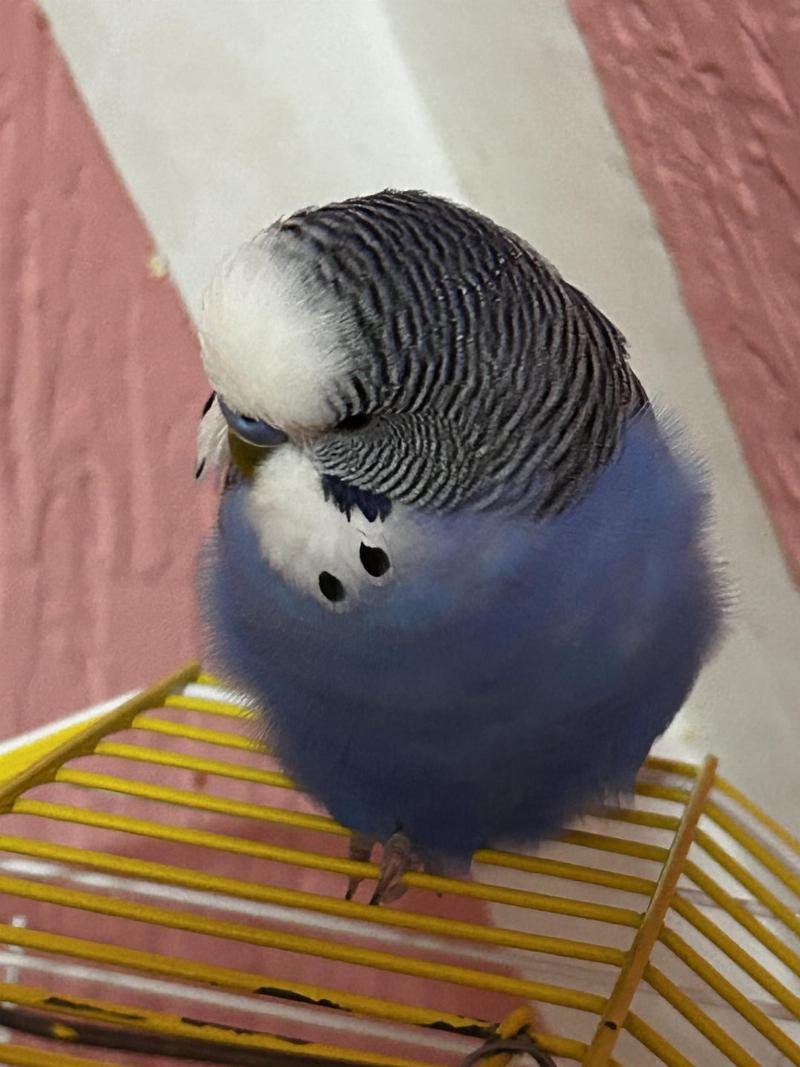 Adorable budgie learning to retrieve a tiny ball
2. Cockatiel
Cockatiels are medium-sized parrots, known for their distinctive crests and their generally calm and friendly demeanor. They are highly social and form strong bonds with their owners, which makes them very receptive to training.
- What they can learn: Cockatiels excel at learning to whistle tunes and can be trained to perform various tricks such as stepping up, flapping their wings on command, coming when called, and even some simple balancing acts. While they don’t typically have the extensive talking ability of larger parrots, some can learn a few words or phrases.
- Why they’re easy: Their affectionate nature means they enjoy interacting with their humans, and training sessions become a natural extension of this bond. They are less prone to nipping than some other species when handled gently and consistently, which builds trust. Their whistles and chirps can be quite varied, showing their vocal learning capacity.
3. African Grey Parrot
Often considered one of the most intelligent bird species, African Greys (both Congo and Timneh) possess remarkable cognitive abilities and a strong capacity for speech and understanding. While they require more dedicated training than smaller birds, their aptitude makes them exceptionally rewarding.
- What they can learn: African Greys are legendary for their ability to mimic human speech with astounding clarity and can learn extensive vocabularies. Beyond talking, they can learn to identify objects, colors, and shapes, solve puzzles, and perform complex tricks. They can even be taught to use simple tools or string beads.
- Why they’re easy: Their high intelligence means they quickly grasp concepts and enjoy mental stimulation. Training provides this essential enrichment. They are highly social and often seek to communicate and engage with their owners, making them motivated learners. However, their intelligence also means they can become bored or develop behavioral issues if not sufficiently challenged, so consistent training and mental engagement are crucial.
4. Quaker Parrot (Monk Parakeet)
Quaker parrots are small to medium-sized parrots known for their playful personalities and their ability to talk. They are relatively easy to train and can become very attached to their owners.
- What they can learn: Quakers are proficient talkers and can learn a surprising number of words and phrases. They can also be trained to perform simple tricks, step up, and come when called. Their intelligence and curiosity mean they enjoy interactive toys and learning new behaviors.
- Why they’re easy: Their gregarious nature and their strong desire to be part of the family flock make them attentive students. They are known for being persistent learners, and their small size makes them convenient to handle for training sessions.
5. Indian Ringneck Parakeet
Indian Ringnecks are medium-sized parrots renowned for their intelligence and their remarkable ability to mimic human speech. They are known for being a bit more independent than some other species, but with the right approach, they are highly trainable.
- What they can learn: Their vocal mimicry is exceptional, often rivaling that of African Greys. They can learn a vast vocabulary and can be trained to perform a variety of tricks, including stepping up, coming when called, and more complex behaviors like ring tosses or fetching.
- Why they’re easy: Their intelligence is their greatest asset in training. They enjoy mental challenges and responding to commands. While they might seem aloof at times, consistent positive reinforcement and engaging training sessions can build a strong bond and make them eager to learn.
Tips for Successful Bird Training
Regardless of the species, successful bird training relies on patience, consistency, and positive reinforcement.
- Start Early: Younger birds are generally more adaptable and easier to train than older birds.
- Keep Sessions Short and Fun: Birds have short attention spans. Aim for multiple short sessions (5-10 minutes) throughout the day rather than one long one. Make it a game!
- Use Positive Reinforcement: Reward desired behaviors immediately with high-value treats (like small pieces of fruit or seeds they particularly love), praise, or gentle petting. Never punish your bird for mistakes, as this can create fear and hinder progress.
- Be Consistent: Use the same words and cues for commands every time. Ensure everyone in the household is on the same page.
- Understand Bird Body Language: Learn to read your bird’s signals. If they seem stressed, tired, or disinterested, end the session on a positive note and try again later.
- Socialization is Key: Ensure your bird is well-socialized and comfortable around you and its environment before attempting complex training. A trusting relationship is the foundation of all training.
 Bird owner rewarding a parakeet with a treat
Beyond Tricks: The Benefits of Training
Training a bird goes beyond teaching them to talk or do tricks. It’s a vital part of their mental and emotional well-being. Training:
- Provides Mental Stimulation: Prevents boredom and reduces the likelihood of behavioral problems like feather plucking or excessive screaming.
- Strengthens the Bond: Training is a form of interaction that builds trust and deepens the relationship between you and your bird.
- Enhances Safety: Teaching commands like “step up” or “come here” can be crucial for your bird’s safety, especially if they accidentally get loose.
- Improves Handling: A well-trained bird is easier to handle for health checks, grooming, or vet visits.
Conclusion: Your Training Journey Starts Now
Choosing one of the easiest birds to train sets you up for a rewarding experience. Whether you dream of a talking companion or simply a bird that enjoys interacting with you, species like budgies, cockatiels, and Quakers offer fantastic starting points. Remember that every bird is an individual, and patience, understanding, and a positive approach are your most valuable tools. Embark on this journey with your feathered friend, and you’ll discover a world of communication, fun, and companionship that is truly unique. The easiest bird to train is ultimately the one you are most willing to put the time and effort into understanding and bonding with.
