
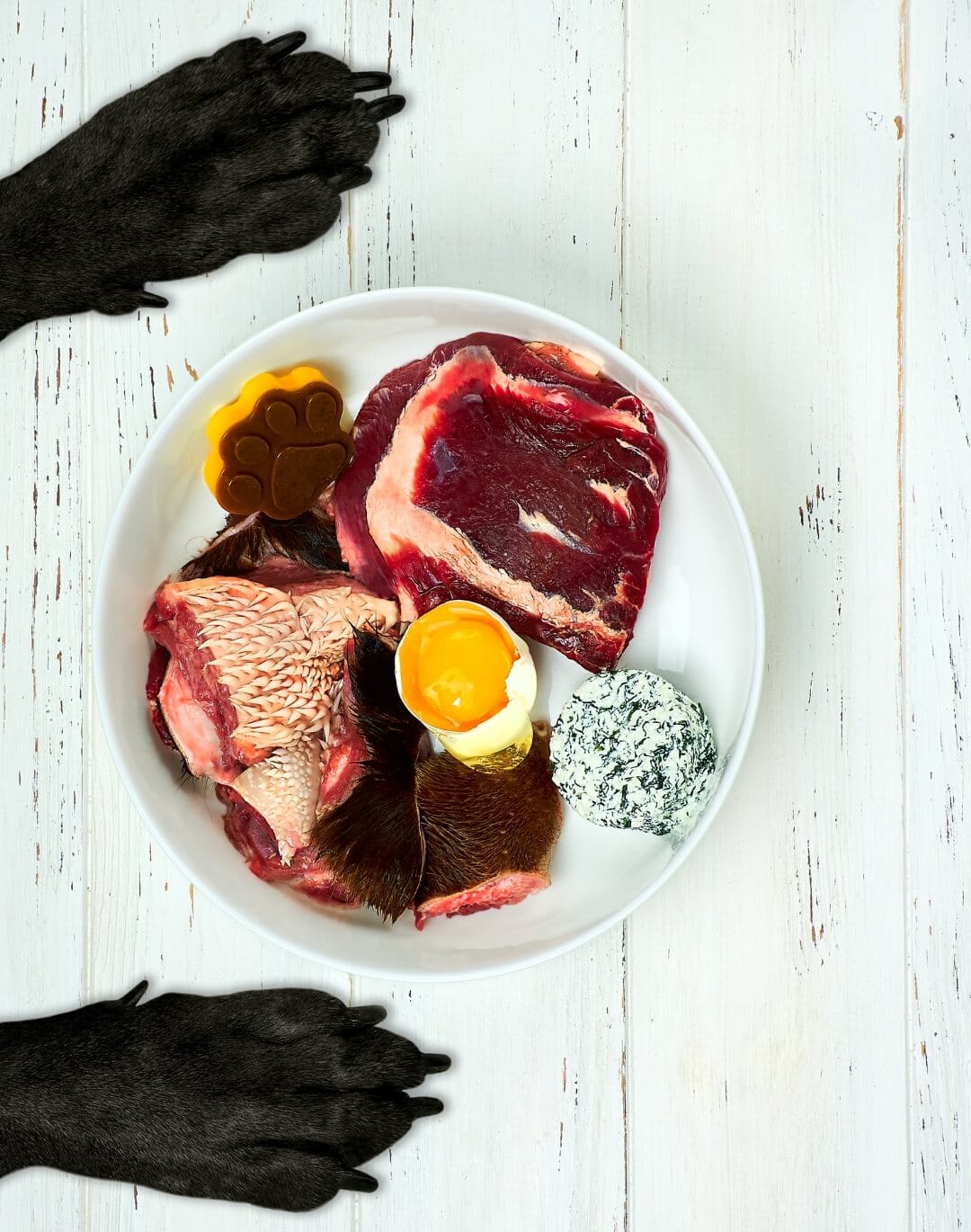
The popularity of raw diets for dogs is on the rise, with many owners seeking to enhance their canine companions’ nutrition. Understanding the nuances of feeding raw meat, however, can be daunting. This guide explores the types of raw meats safe for dogs, the benefits of such a diet, and crucial considerations for preparation and safety. While raw meat can offer numerous advantages, including improved coat condition and digestive health, it’s essential to approach it with knowledge and care. For those embarking on this dietary path, a balanced approach is key, ensuring all necessary nutrients are met.
Is Raw Meat Beneficial for Dogs?
Raw meat is an excellent foundation for a balanced and complete canine diet, providing essential proteins, fats, and vital vitamins and minerals. Unlike cooked meat, raw meat retains its full nutritional value and enzymes, which can contribute to easier digestion for many dogs. When incorporated into a diet that also includes raw fruits and vegetables, it can offer a wealth of additional health benefits. Furthermore, a raw diet has been observed to promote firmer stools, potentially aiding dogs with anal gland issues, lead to a shinier coat, and assist in weight management.
What Raw Meats Are Safe for Dogs?
A wide array of raw meats are suitable for canine consumption. This includes common options like chicken, beef, and lamb, as well as turkey and duck. More unconventional choices such as venison and rabbit are also well-tolerated. The primary requirement is that the meat is of high quality and free from added sugars, salts, and preservatives. Additionally, certain raw bones can be given to dogs, but it’s crucial to consult a guide on safe bone feeding practices before offering them.
Mince for Dogs
Beef or lamb mince can be a beneficial part of a raw diet. Opting for mince from a reputable commercial raw dog food company is often recommended over supermarket varieties, as these brands adhere to stringent safety and hygiene protocols.
Processed Meats to Avoid
It is vital to steer clear of both cooked and raw sausages, as well as other processed meats such as meatballs, ham, and bacon. These products frequently contain high levels of salt, seasonings, and potentially harmful additives that can upset a dog’s digestive system.
Safety Considerations for Feeding Raw Meat
When handled and prepared correctly, raw meat is perfectly safe for dogs. A study conducted at Helsinki University on cross-contamination in raw dog food indicated a very low incidence of pathogen transmission across a large number of households over several years. Maintaining simple hygiene practices, similar to those followed when preparing raw meat for human consumption, is essential for safe storage and handling. Commercial raw dog food providers, such as Natures Menu, implement rigorous safety checks and prepare meals under controlled conditions to ensure high standards.
Supermarket Meat vs. Commercial Raw Dog Food
Meat purchased from supermarkets may have higher levels of bacteria, as it’s typically intended for cooking, which would neutralize these microbes. For this reason, using meat from a trusted raw pet food brand is generally considered the safest approach. Whether choosing ready-to-mix mince for homemade meals or balanced pre-made options, these products are specifically prepared for raw consumption, offering peace of mind.
Homemade Raw Food vs. Pre-made Raw Food
Many dog owners choose to prepare their pet’s food at home, including raw diets. While creating homemade raw food can be a rewarding experience, it requires careful consideration.
Understanding Homemade Raw Dog Food
Homemade raw dog food is prepared at home using raw animal protein, often combined with raw vegetables, fruits, and sometimes a small amount of healthy grains.
Considerations for Homemade Raw Food Preparation
Preparing homemade raw food necessitates thorough research to ensure it meets all of your dog’s nutritional requirements. Calculating their daily caloric needs based on age, breed, and activity level is also crucial for determining appropriate portion sizes. Resources like DIY raw food guides can offer valuable insights into ingredients, preparation methods, and necessary precautions against cross-contamination.
Advantages of Pre-made Raw Dog Food
Pre-made raw food offers many of the health benefits of homemade raw diets with significantly added convenience. It eliminates the need for shopping and meal preparation, and assures that the food is nutritionally complete and balanced. Commercial brands like Natures Menu have already conducted the necessary research, providing meals made from high-quality raw ingredients, fruits, and vegetables in the correct ratios. Furthermore, pre-made raw food significantly minimizes the risk of bacterial contamination, as it is prepared in controlled commercial facilities.
Conclusion
Whether incorporated into homemade recipes or purchased as pre-made meals, raw meat can be a highly beneficial component of a dog’s diet. The key is to ensure that the meals provided are complete and balanced, supplying all the necessary nutrients for a happy and healthy life.
Raw Meat — FAQs
How Much Raw Meat Should I Feed My Dog?
Commercial raw food simplifies feeding by eliminating guesswork and ensuring dogs receive essential minerals and vitamins in the correct amounts. Tools like dog food calculators, often provided by raw food brands, can help determine appropriate feeding portions based on a dog’s weight and the food’s energy density, following established European Pet Food Guidelines.
Can Dogs Eat Raw Chicken?
Raw chicken is a lean protein source, relatively low in calories, making it a suitable option for dogs. However, improper handling can increase the risk of bacterial contamination, such as salmonella. Specific guides on feeding raw chicken offer tips for safe preparation.
Can Dogs Eat Steak?
Steak provides beneficial nutrients like zinc, iron, and Vitamin B12, supporting various bodily functions. Leftover steak, provided it’s not too fatty and contains no bones, can be an occasional treat. However, cooked steak bones should never be given to dogs due to the risk of splintering and causing internal blockages.
Can Dogs Eat Raw Mince?
Yes, raw mince, including single-protein and mixed varieties, is ideal for use in homemade raw dog food recipes.
Can Dogs Eat Fish?
Fish is an excellent source of protein for dogs, being low in fat and rich in omega-3 fatty acids that benefit skin and coat health. However, certain fish like swordfish, king mackerel, and tuna should be avoided due to potential parasite and mercury content. For raw fish consumption, it is recommended to opt for pre-made raw dog food, which ensures safe preparation and handling.
