
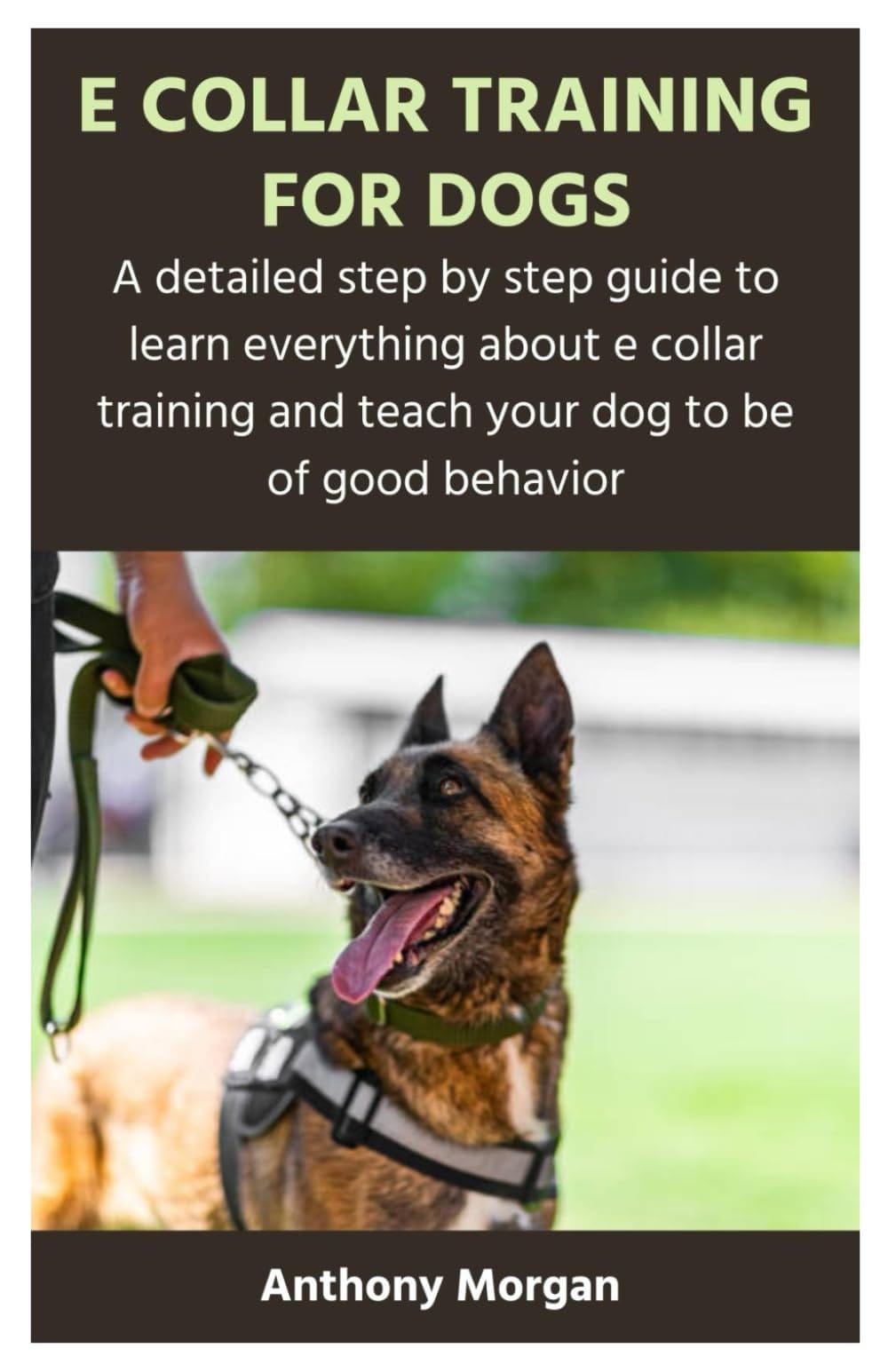
Navigating the world of dog training collars can feel overwhelming, but finding the right tool can make a significant difference in your journey with your canine companion. Whether you’re dealing with a stubborn puppy or a rescue with behavioral challenges, the best dog collar for training is one that is used humanely, effectively, and with a clear understanding of your dog’s needs. This guide will delve into the various types of training collars available, helping you make an informed decision for your furry friend.
Understanding the Purpose of Training Collars
Training collars are not intended to punish your dog, but rather to communicate commands more effectively and provide gentle guidance during the learning process. The goal is to establish clear communication between you and your dog, reinforcing good behavior and redirecting unwanted actions. When used correctly, these collars can be invaluable tools in teaching basic obedience, addressing specific behavioral issues, and strengthening your bond. It’s crucial to remember that consistency, patience, and positive reinforcement are the cornerstones of successful dog training, with any collar serving as a supplementary aid.
Types of Training Collars Explained
The market offers a variety of training collars, each designed with different mechanisms and intended uses. Understanding these differences is key to selecting the most appropriate one for your dog and training situation.
Flat Collars
The most common type, flat collars, are typically made of nylon or leather and are used for everyday wear and basic leash attachment. While not specifically designed for intensive training, they are essential for attaching ID tags and for initial leash introduction.
Martingale Collars
Also known as limited-slip collars, martingale collars are designed to tighten slightly when the dog pulls, preventing them from slipping out of the collar, which is particularly useful for dogs with slender heads like sighthounds. They provide a gentle cue without choking.
Head Halters
Head halters, like the Gentle Leader or Halti, work by fitting over a dog’s muzzle and behind their ears. They offer control by guiding the dog’s head, effectively redirecting their focus and preventing pulling. This can be a great option for strong pullers, offering an alternative to [best electronic dog training collars].
Front-Clip Harnesses
While not a collar, front-clip harnesses are a popular training tool. They attach the leash to a ring on the dog’s chest, which discourages pulling by turning the dog back towards you when they lunge forward. For those seeking alternatives to collars, exploring [dog training collars for small dogs] that offer similar benefits in harness form can be a good starting point.
Remote Control E-Collars (Shock Collars)
These collars deliver a stimulation, ranging from a vibration to a mild electric pulse, controlled by a remote. They are often seen as controversial. When considering these, it is essential to use them as a last resort and with expert guidance, as improper use can lead to fear and anxiety. If you are exploring options in this category, ensure you look for a [waterproof rechargeable dog training collar] for durability and convenience.
Vibration Collars
Similar to e-collars, vibration collars use sensation to communicate with the dog. Instead of a shock, they emit a vibration. These can be a good option for dogs that are sensitive to corrections or for those who are deaf or hard of hearing.
GPS and Bark Collars
While some bark collars use static correction, others employ vibration or sound. GPS collars are primarily for tracking your dog’s location but some models incorporate training features. These can be helpful for specific issues like excessive barking, but always prioritize humane methods.
Choosing the Right Collar for Your Dog
Selecting the best dog collar for training depends on several factors, including your dog’s breed, size, temperament, and the specific behaviors you aim to modify.
Breed and Size Considerations
A tiny Chihuahua will require a different collar than a powerful Rottweiler. Collars should fit snugly but comfortably, allowing enough room for two fingers between the collar and your dog’s neck. For smaller breeds, specialized [dog training collars for small dogs] are available that are lightweight and appropriately sized.
Temperament and Sensitivity
Some dogs are highly sensitive and may react negatively to stronger corrections. For these dogs, gentle methods like front-clip harnesses or vibration collars are often more suitable. More independent or strong-willed dogs might require a firmer communication tool, but always start with the least intrusive option. Understanding your dog’s personality is paramount, and resources like [proper paws dog training] can offer insights into tailored approaches.
Training Goals
Are you teaching basic leash manners, recall, or addressing reactivity? Different training goals may necessitate different tools. For instance, recall training might benefit from a long-line, while leash pulling might be better managed with a head halter or front-clip harness. A comprehensive [best dog training guide] will often recommend specific tools for specific behaviors.
Best Practices for Using Training Collars
Regardless of the type of collar you choose, responsible usage is paramount.
- Fit is Key: Ensure the collar fits correctly. Too loose, and it’s ineffective or can slip off. Too tight, and it can cause discomfort, chafing, or breathing difficulties.
- Positive Reinforcement: Always pair collar use with positive reinforcement. Reward your dog for correct responses and desired behaviors.
- Gradual Introduction: Introduce new collars gradually. Let your dog wear them for short periods around the house before using them on walks or during training sessions.
- Consistency: Be consistent with your commands and expectations. Every family member should be on the same page regarding training methods and collar usage.
- Seek Professional Help: If you’re struggling, don’t hesitate to consult a certified professional dog trainer or a veterinary behaviorist. They can help you choose the right tool and teach you how to use it effectively and humanely. For example, exploring resources on [proper paws dog training] could provide valuable guidance.
- Never Use for Punishment: Training collars are communication tools, not instruments of punishment. Using them out of anger or frustration can damage your relationship with your dog and create behavioral problems.
Frequently Asked Questions About Dog Training Collars
Q1: Are e-collars safe for dogs?
E-collars can be safe when used correctly and humanely, following the manufacturer’s instructions and ideally under the guidance of a professional trainer. However, they are a tool that requires careful consideration due to potential risks if misused. Many owners prefer less aversive options.
Q2: How do I know which collar is best for my dog’s specific training needs?
Consider your dog’s breed, size, temperament, and the specific behavior you want to train. Consulting with a professional dog trainer is the most reliable way to determine the best fit.
Q3: Can I use a training collar for everyday wear?
While some training collars like flat collars or Martingale collars can be used for everyday wear, others, like e-collars or head halters, are typically reserved for training sessions or specific situations to avoid constant association with correction.
Q4: How often should I adjust my dog’s training collar?
A training collar should fit snugly enough to be effective but not so tight that it causes discomfort. Check the fit regularly, especially after exercise or if your dog has a thick coat, as adjustments may be needed.
Q5: What are the alternatives to traditional training collars?
Alternatives include front-clip harnesses, head halters, treat-based positive reinforcement, clicker training, and various types of no-pull harnesses. Exploring resources on the [best dog training guide] can offer a wealth of information on these methods.
Conclusion: Finding the Right Tool for a Stronger Bond
The journey of training your dog is a rewarding one, built on trust, communication, and mutual understanding. The “best dog collar for training” is ultimately the one that helps you achieve your training goals effectively and humanely, strengthening the incredible bond you share with your canine companion. By understanding the options, prioritizing your dog’s well-being, and employing consistent, positive methods, you can unlock your dog’s full potential and enjoy a harmonious life together.
