
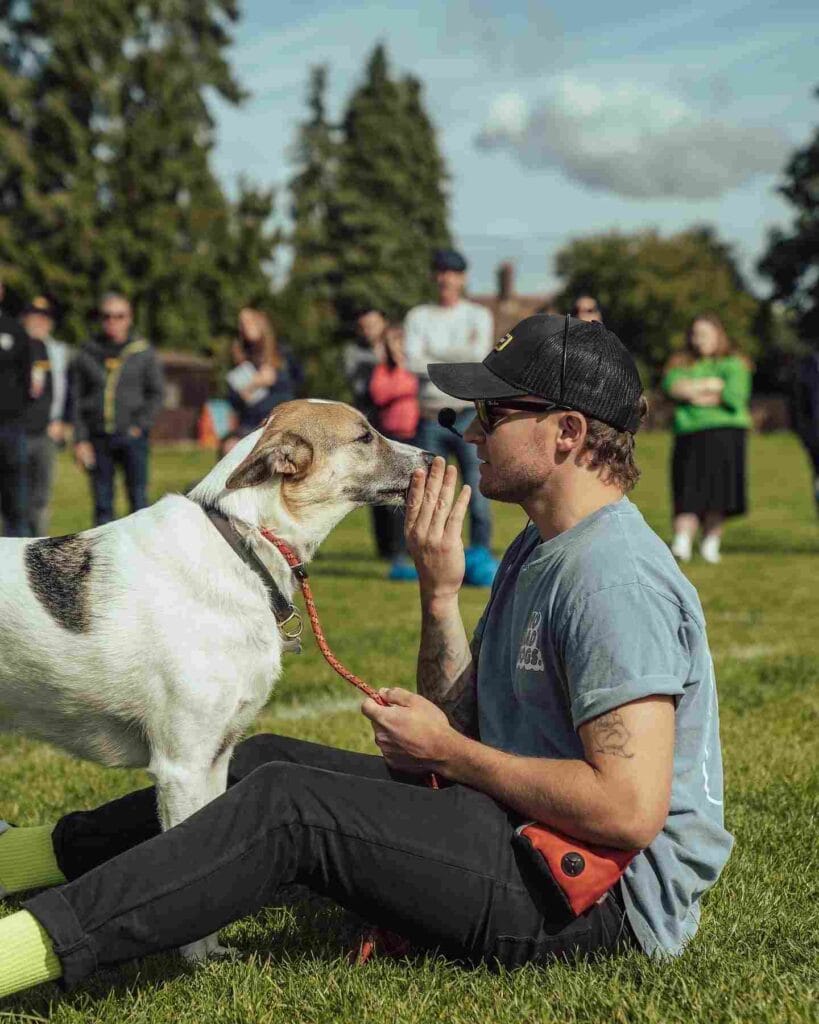
Recall, in the simplest terms, is teaching your dog to come back to you when called. It’s more than just a trick; it’s a critical safety measure and the foundation of a well-behaved canine companion. Imagine the peace of mind knowing that if your dog slips their leash or gets distracted in a park, a simple call will bring them safely back to your side. This isn’t just about obedience; it’s about building a stronger bond and ensuring your dog’s well-being. This comprehensive guide will delve into the “what,” “why,” and “how” of recall in dog training, equipping you with the knowledge to master this essential command.
Understanding the core of recall involves recognizing that it’s a two-way street. You’re not just demanding your dog’s attention; you’re teaching them that returning to you is the most rewarding and exciting thing they can do. This involves positive reinforcement, patience, and a deep understanding of canine behavior. We’ll explore how to make recall training a positive and effective experience for both you and your furry friend, ensuring they’ll want to come back, every single time.
The Crucial Importance of Recall Training
Why is recall training so paramount? The reasons extend far beyond mere convenience. At its heart, it’s about safety. A reliable recall can prevent your dog from running into traffic, getting lost, or encountering dangerous situations. It gives you control in unpredictable environments, transforming potential hazards into manageable moments. For instance, if your dog has a tendency to chase squirrels, a strong recall ensures they stop in their tracks rather than darting into a busy street.
Beyond safety, a solid recall significantly enhances your dog’s freedom and your peace of mind. A dog with a reliable recall can enjoy more off-leash adventures in safe, designated areas. This freedom allows them to explore, socialize, and exercise more naturally, leading to a happier, healthier dog. Knowing your dog will return to you, even when tempted by distractions, allows you to relax and truly enjoy your time together. This builds immense trust between you and your dog, strengthening your overall relationship.
Furthermore, recall training is fundamental to overall obedience. It demonstrates that your dog is engaged with you and values your direction. Mastering recall often makes teaching other commands, such as “stay” or “heel,” significantly easier, as it establishes your role as the leader and your dog’s willingness to listen. This foundational command underpins a well-rounded training program.
Understanding the “Why” Behind the Return: Motivation Matters
For recall training to be successful, you must understand what motivates your dog. It’s not enough to simply issue a command; you need to make coming to you the most appealing option available. This often involves a combination of high-value rewards, enthusiastic praise, and understanding your dog’s individual drives.
High-Value Rewards: These are treats or toys that your dog absolutely loves and doesn’t get during everyday life. Think small pieces of cooked chicken, cheese, or a favorite squeaky toy. These should be reserved exclusively for recall training to maintain their special status. The more your dog desires the reward, the more eager they will be to come when called. This is a core principle in how to train recall in dogs.
Enthusiastic Praise: Your tone of voice is incredibly important. When your dog returns, use an excited, happy tone. “Good boy!” or “Yes, come here!” delivered with genuine joy reinforces the positive experience. This verbal reinforcement, coupled with treats, creates a powerful positive association with recall.
Understanding Drives: Some dogs are highly motivated by food, others by toys, and some by social interaction. Observe your dog to determine their primary motivators. Tailoring your rewards to their preferences will significantly boost your training effectiveness. For example, a dog highly motivated by play will respond exceptionally well to being rewarded with a quick game of tug.
The Art of Teaching Recall: A Step-by-Step Approach
Mastering recall is a gradual process that requires patience and consistency. It’s best to start in a low-distraction environment and slowly increase the difficulty as your dog progresses.
Step 1: The Foundation – Indoor Training
Begin in a quiet, enclosed space, like your living room or a secure yard.
- Get Their Attention: Crouch down, use an excited tone, and call your dog’s name followed by their recall cue (e.g., “Buddy, come!”). Avoid using their name alone, as you want to associate the cue with the action.
- Reward Generously: As soon as they start moving towards you, offer praise. When they reach you, shower them with high-value treats and enthusiastic affection. Make it a party!
- Keep Sessions Short and Sweet: Aim for 5-10 short training sessions throughout the day, rather than one long, overwhelming one. End each session on a positive note, even if it means rewarding them for simply looking at you.
- Avoid Punishment: Never scold or punish your dog if they don’t come immediately. This will create a negative association with recall and make them hesitant to return. If they don’t come, simply go get them without fuss and try again later in an easier setting.
Step 2: Introducing Distractions – The Controlled Environment
Once your dog reliably comes to you indoors, gradually introduce mild distractions.
- Slightly More Engaging: Try training in a larger room or a quiet, fenced backyard. You might have another person gently toss a toy a short distance away while you call your dog.
- Reward Success: Continue to reward generously when they choose to come to you despite the distraction. If they get distracted, don’t force them; simply bring them back to a less distracting area and try again. The goal is to build their success rate. This is where concepts like on the run dog training start to become relevant, as you’re training for movement.
Step 3: Advancing to Public Spaces – The Real World Test
This is where the real challenge lies. Progress slowly and methodically.
- Fenced Areas First: Start in a secure, enclosed dog park during a quiet time, or a large, securely fenced yard. Let your dog off-leash (if safe and permitted) and practice recall when they are a moderate distance away.
- Use a Long Line: For added security and control in unfenced areas, use a long training lead (15-30 feet). This allows your dog some freedom while ensuring you can prevent them from getting too far or into trouble. This is a key tool for how to recall train a dog.
- Manage Distractions: If there are other dogs or people, be mindful of your dog’s focus. You might need to increase the value of your rewards or practice when distractions are less intense.
Step 4: Generalizing the Command
The goal is for your dog to respond to the recall cue in any situation.
- Vary Your Location: Practice recall in different parks, on walks, at friends’ houses, and even in semi-urban environments (always on leash if necessary).
- Vary Your Rewards: Sometimes use treats, sometimes a favorite toy, and sometimes just enthusiastic praise and petting. This keeps them guessing and eager.
- Practice Unexpectedly: Call your dog to you at random times during the day, even when they aren’t doing anything particularly distracting. Reward them, then release them back to play. This reinforces that coming to you is always a good thing.
Common Recall Training Pitfalls and How to Avoid Them
Even with the best intentions, recall training can present challenges. Understanding common mistakes can help you navigate them.
- Calling Your Dog for Unpleasant Things: Avoid calling your dog to you only for baths, nail trims, or to be put in their crate if they dislike it. This creates a negative association. Instead, go to them for these activities. If you must call them, ensure you follow it with a high-value reward after the unpleasant task is completed.
- Recalling Too Often: If you call your dog too frequently, especially in situations where they are having fun, they may start to ignore you. Recall should be used primarily for safety, training, or when you genuinely need them.
- Chasing Your Dog: If your dog runs away when you call, resist the urge to chase them. This can turn into a fun game of “keep away” for them. Instead, try running away from your dog, making yourself exciting and enticing. Or, get down on their level and clap or pat your legs.
- Inconsistent Rewards: Your dog needs to understand that coming to you is consistently rewarding. If you sometimes reward and sometimes don’t, they’ll become less motivated. High-value rewards are crucial, especially in the early stages and when facing distractions. Finding the right rewards is key, much like understanding resources for recall dog training near me.
- Punishing After a Long Absence: If your dog has been gone for a while and you finally get them back, resist the urge to scold them. They likely don’t understand why you’re upset. This will only damage your trust. Celebrate their return and focus on making recall more rewarding for future.
Advanced Recall Techniques and Considerations
As your dog’s recall improves, you can explore more advanced techniques and consider specific scenarios.
The “Come” vs. “Get Here” Distinction
Some trainers advocate for using different cues. For instance, “Come” might mean “return to me for a reward,” while “Get here!” could be a more urgent command for immediate return in a safety situation. This distinction can be helpful for dogs who are very easily distracted.
Recall Games
Making training fun is key! Games like “Hide and Seek” (where one person hides and the other calls the dog) or “Round Robin” (where multiple people take turns calling the dog back and forth) can significantly improve recall and make training enjoyable. These games are excellent for reinforcing total recall dog training mn principles.
Dealing with High-Distraction Environments
Training a reliable recall in busy environments with lots of stimuli (other dogs, people, food on the ground) requires the most dedication.
- Start Small: Begin at a distance where your dog can still hear and focus on you, even with distractions present.
- Increase Reward Value: Use your absolute best treats or a favorite toy.
- Use a Long Line: Always ensure safety with a long line in unfenced, high-distraction areas.
- Management is Key: Sometimes, the best strategy is simply to manage the environment and avoid situations your dog isn’t ready for. Don’t set them up for failure.
Conclusion: The Lifelong Journey of Recall
Recall training is not a one-time event; it’s an ongoing process that strengthens your bond with your dog and ensures their safety throughout their lives. By understanding the motivations behind their behavior, employing consistent positive reinforcement, and practicing diligently in various environments, you can achieve a recall that you can rely on. Remember to celebrate every success, learn from every challenge, and always make coming back to you the best part of your dog’s day. A strong recall is a testament to a well-trained, happy, and secure dog, living their best life by your side.
