
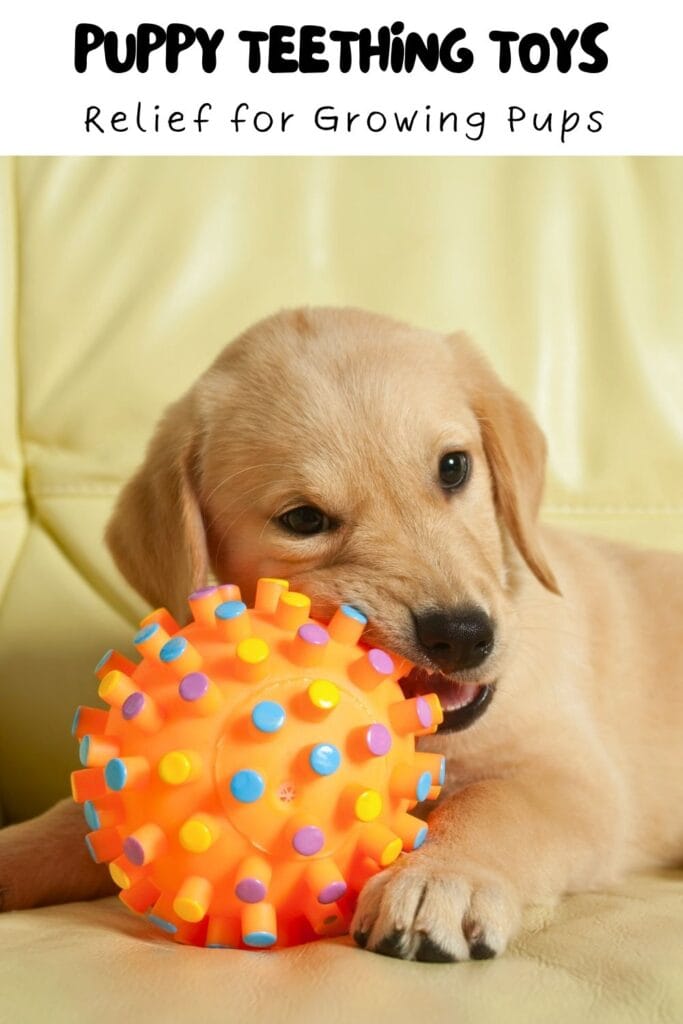
Welcoming a puppy into your home is an exciting time, filled with joy and new experiences. However, as any seasoned dog owner knows, this adorable stage comes with its own set of challenges, particularly when your puppy begins teething. Around three weeks of age, puppies start to teethe, and this process continues as their “milk teeth” fall out and are replaced by permanent ones, typically by six to seven months of age. During this time, puppies have an irresistible urge to chew, and often, your hands and feet become their favorite targets. Providing appropriate toys is crucial not only for your puppy’s comfort but also for protecting your belongings and ensuring everyone’s safety. This guide, drawing on insights from veterinary professionals, will help you navigate the world of puppy teething toys.
The urge to chew is a natural and necessary part of a puppy’s development. It helps to relieve the discomfort of teething, explore their environment, and learn what is and isn’t appropriate to mouth. Redirecting this chewing instinct towards suitable toys is essential. However, not all toys are created equal, and some can pose significant risks to your puppy’s dental health and overall well-being. Understanding which toys to avoid and which are recommended can save you from costly vet bills and keep your furry friend safe and sound.
Toys to Steer Clear Of
Veterinary dental professionals strongly advise against allowing puppies to chew on anything excessively hard. This category includes toys made from materials like nylon, as well as natural items like bones and antlers. The general rule of thumb is to avoid any toy that does not offer some flexibility. Furthermore, it’s wise to refrain from giving your puppy toys that closely resemble household items you don’t want them to chew, such as shoes. This can create confusion and make it harder for them to distinguish between acceptable chew items and forbidden ones.
When selecting toys, be mindful of potential hazards. Toys that contain long strings and ribbons can be a choking hazard or cause intestinal blockages if ingested. Squeakers inside toys, while often appealing to dogs, can also be a choking risk if dislodged. Similarly, toys with foam stuffing pose a danger if the stuffing is exposed and eaten. Always check for sharp angles or corners that could injure your puppy’s mouth. Critically, ensure that any toy is not smaller than your puppy’s mouth, as this significantly increases the risk of them swallowing it whole or choking.
Identifying Safe Chewing Options
While no toy can be guaranteed 100% safe, as puppies have a natural inclination to chew on almost anything, choosing wisely and supervising play can minimize risks. Your veterinarian can offer personalized recommendations based on your puppy’s breed, size, and chewing habits. Regardless of the toy chosen, consistent monitoring during playtime is paramount. Regularly inspect toys for signs of wear and tear; any toy that looks significantly damaged or close to breaking should be discarded immediately to prevent your puppy from ingesting small pieces.
Chewing is not just a way to relieve teething pain; it’s also an educational process for your puppy, teaching them acceptable chewing behaviors. Investing in quality toys provides a safe outlet for this natural instinct.
Durable Rope Toys
Rope toys can be a great option, provided they are made from high-quality, durable rope. Inferior products are more likely to break apart, allowing your puppy to ingest the fibers, which can lead to digestive issues. Prioritizing top-quality products not only enhances safety but also ensures the toys last longer, offering better value.
Appropriately Hard Rubber Toys
Durable rubber toys are a perennial favorite among owners of teething puppies. The key is to find a rubber that is firm enough to withstand chewing but not so hard that it risks damaging your puppy’s teeth or gums. A simple test is the “fingernail test”: if you can leave an indentation in the toy with your fingernail, it’s likely a good consistency. This flexibility indicates it’s less likely to cause dental damage.
Frozen Chew Toys and Teething Treats
The coolness of frozen items can be incredibly soothing for a puppy’s inflamed gums. Many toys are designed to be frozen, offering relief from teething discomfort and reducing swelling. Food-safe toys can be stuffed with treats and then frozen, providing a long-lasting and engaging chewing experience. Additionally, specialized teething treats are available that are formulated for puppies. For a budget-friendly option, consider tying a wet washcloth in a knot and freezing it, or offering ice cubes, though it’s always best to consult your veterinarian about the suitability of ice cubes for your specific dog.
Some highly-rated toys for teething puppies include:
- KONG Puppy Toy
- Nylabone Puppy Chew
- Apasiri Chew for Aggressive Chewers
- Nylabone Puppy Starter Kit
- Benebone Wishbone
- CHIWAVA Standing Stick Animal Chews
- Benebone Zaggler
- Nylabone Chill & Chew Puppy
- Petstages Mini Bone Tug
- ZHEBU Dog Chew
- Nylabone Wishbone Chew
Incorporating Dental Hygiene
Beyond chew toys, introducing your puppy to toothbrushing early on is highly beneficial. This practice not only promotes good oral hygiene, preventing common dental problems in dogs, but also accustoms your puppy to having objects in their mouth, which can be helpful in safely retrieving items if needed. Always use a veterinarian-approved brush and toothpaste specifically designed for dogs, and ask your vet for a demonstration of the proper technique. It’s important to introduce this routine gradually, allowing your puppy to explore the brush and paste at their own pace, rather than forcing it upon them.
The Lifelong Need to Chew
Will your dog ever stop chewing? The short answer is no, not entirely. Chewing, biting, and licking are fundamental behaviors for dogs, integral to how they learn, explore, and interact with their world. While the intensity of chewing typically decreases as dogs mature, often lessening around 18 months of age, it doesn’t disappear completely. If you notice excessive or aggressive chewing behaviors persist, it’s advisable to consult your veterinarian for guidance on behavioral modification.
Finding the right teething toys is a crucial part of puppy ownership. By understanding your puppy’s needs, consulting with your vet, and supervising playtime, you can select toys that promote healthy chewing habits, provide relief from teething discomfort, and protect your home. Remember, attentive supervision is your best tool in ensuring your puppy’s safety during this phase. Discard worn-out toys promptly to prevent ingestion of small parts, which can lead to serious health issues and costly veterinary care.
For more personalized advice on the best puppy teething toys or any other aspect of your puppy’s health, don’t hesitate to discuss your concerns with our veterinarians during your next appointment. You can schedule a visit by calling our animal hospital at (732) 671-3110.
