
The term “Big Lick” refers to a specific style of horse training and performance, primarily seen in the Tennessee Walking Horse breed. It’s characterized by exaggerated high-stepping gaits, particularly the running walk and the flat-foot walk. This distinctive movement is achieved through intensive training methods and specialized equipment. While visually striking and popular in certain show circuits, the “Big Lick” style has also been a subject of considerable controversy and debate within the equestrian community due to concerns about animal welfare. Understanding what constitutes Big Lick horse training requires delving into its history, techniques, equipment, and the ongoing discussions surrounding its ethics.
The Origins and Evolution of the Big Lick
The roots of the Big Lick can be traced back to the development of the Tennessee Walking Horse in the United States. This breed was initially developed as a versatile riding horse, prized for its smooth gaits and stamina, making it ideal for long rides across varied terrain. Early breeders and trainers focused on enhancing the natural gaits of the horses, aiming for a comfortable and efficient ride. Over time, showmanship became more prominent, and the emphasis shifted towards exaggerating these gaits for audience appeal.
The running walk, one of the signature gaits, is a four-beat diagonal gait that is faster than a typical walk but slower than a canter. In the Big Lick style, this gait is amplified, with the hindquarters often carrying lower while the forelegs are lifted exceptionally high. This dramatic action, combined with a flowing head and neck carriage, creates the signature “Big Lick” look. The flat-foot walk, another gait involved, is also performed with a noticeable elevation of the forelegs.
Training Methods and Techniques
Achieving the exaggerated gaits of the Big Lick requires rigorous and specialized training. Trainers work with young horses, often starting as early as two years old, to develop the desired movements. The process typically involves repetitive exercises designed to build strength, flexibility, and the specific muscle memory needed for the high-stepping action.
Key elements of Big Lick training include:
- Repetitive Gait Work: Horses are consistently worked in hand and under saddle to perfect the exaggerated running walk and flat-foot walk. This involves encouraging the highest possible knee and ankle flexion.
- Whip and Cueing: While not exclusive to Big Lick, trainers may use a whip or “stacker” not for punishment, but as a cue to encourage a higher head carriage and more exaggerated leg action. The sound and light touch of the whip can stimulate the horse to lift its legs higher.
- Conditioning: Horses are put through intense physical conditioning programs to build the stamina and muscle required for sustained high-level performance. This can involve long rides and specific exercise routines.
It’s important to note that the methods used in Big Lick training are a significant point of contention. Critics argue that the training can be harsh and potentially damaging, leading to physical and psychological stress for the horses. Proponents, however, maintain that when done correctly, the training develops a naturally gifted horse to its full potential, and that the horses enjoy performing. The debate often hinges on the interpretation of the horses’ responses and the long-term effects of the training.
Specialized Equipment
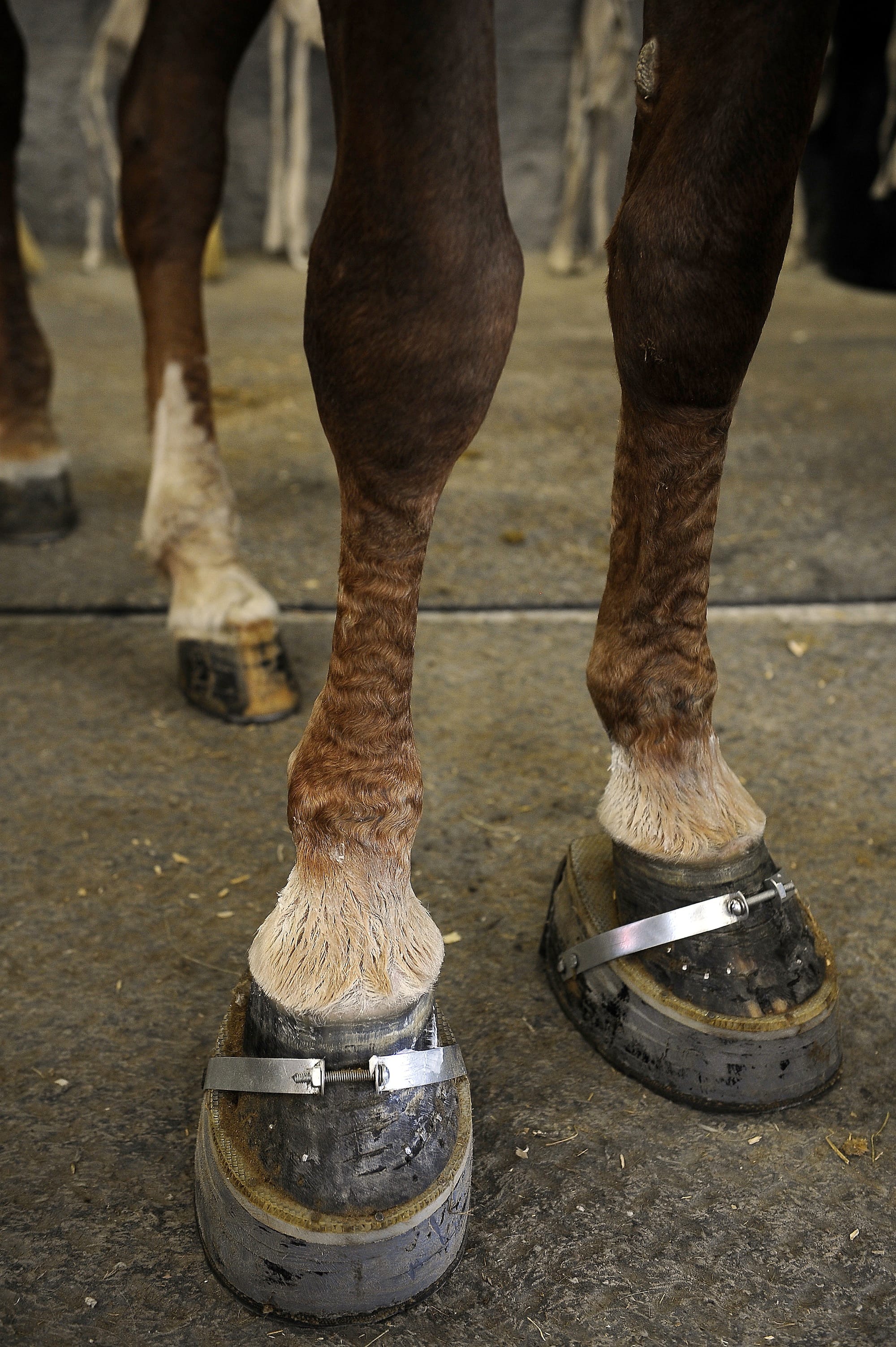
The distinctive look and performance of Big Lick horses are often enhanced by specialized equipment. This gear is designed to accentuate the exaggerated gaits and is a hallmark of the Big Lick discipline.
- Pads: Heavy, often thick pads are placed under the horses’ front shoes. These pads add weight and alter the angle of the hoof, encouraging a higher lift of the foreleg. The size and weight of these pads can vary significantly.
- Chains: Weighted chains are sometimes attached to the horses’ pasterns (the area between the fetlock and the hoof). As the horse lifts its leg, the weight of the chain further accentuates the upward motion and adds to the dramatic visual effect. The length and weight of these chains are carefully regulated in some show rules, but their use remains controversial.
- Shoes: The horses wear specific types of shoes, often heavier and shaped to complement the action desired. These shoes are designed to work in conjunction with the pads and chains.
The use of these devices is a central part of the criticism against Big Lick training. Opponents argue that the pads and chains are used to force unnatural movements and can cause pain, soreness, and long-term damage to the horses’ legs and joints. Supporters contend that these are tools to help showcase the horse’s natural talent and that horses are trained to accept them without discomfort.
The Controversy and Animal Welfare Concerns
The Big Lick style of horse training has been under intense scrutiny for years due to significant animal welfare concerns. Organizations dedicated to equine welfare and many within the broader equestrian community have spoken out against the practices associated with the Big Lick.
The primary concerns include:
- Physical Harm: The use of heavy pads, chains, and aggressive training techniques is believed to cause pain, lameness, and long-term joint damage. Horses can develop chronic soreness, arthritis, and other debilitating conditions.
- Abuse and Cruelty: Critics allege that devices like “stacks” (which are essentially artificial extensions to the shoe and pad to increase the lift) and the “pressure shoe” (a shoe designed to apply pressure to the sole of the foot) inflict pain, and that “blisters” (chemicals applied to the horse’s legs to induce irritation and encourage higher leg lift) are also used. While the use of such extreme measures is often denied by proponents or attributed to rogue trainers, the potential for abuse is a significant concern.
- Forced Performance: Opponents argue that the horses are not willingly performing but are being forced into these exaggerated movements through pain and coercion, stripping the performance of any genuine joy or partnership.
In response to these concerns, legislative efforts and industry self-regulation have been undertaken. The Horse Protection Act (HPA) in the United States aims to ban the practice of “soring,” which is the intentional infliction of pain to horses to alter their gait. However, enforcement and the effectiveness of these regulations continue to be debated, with some arguing they do not go far enough to protect the horses. Many breed associations and show organizations have implemented rules and penalties regarding equipment and training methods, but the effectiveness and consistency of enforcement vary.
The Debate: Tradition vs. Welfare
The Big Lick debate pits a long-standing tradition and a specific performance style against modern understandings of animal welfare and ethical training practices.
- Arguments for: Proponents often emphasize the tradition and artistry of the Big Lick, viewing it as a unique equestrian discipline that showcases the natural athleticism of the Tennessee Walking Horse. They may argue that responsible training methods exist and that the controversy is fueled by isolated incidents or misunderstandings. They might also point to the breed’s heritage as a gaited horse and the desire to preserve and showcase these gaits. The “harmony horse training” approach, for example, seeks to achieve desired movements through positive reinforcement and understanding the horse’s biomechanics, a stark contrast to methods that may cause discomfort.
- Arguments against: Opponents focus on the undeniable potential for harm and the ethical implications of forcing animals into unnatural and potentially painful performances for human entertainment. They advocate for training methods that prioritize the horse’s well-being, such as those that might be found in more conventional riding disciplines or even in styles like “calypso horse training” which emphasizes a more fluid and natural movement. The effectiveness of training reining horses, for instance, relies on partnership and subtle cues, not pain.
The conversation around Big Lick horse training is complex, involving deeply held beliefs about horses, tradition, and the human-animal relationship. Understanding the different facets of this debate is crucial for anyone interested in the sport and the welfare of the horses involved.
Conclusion: A Glimpse into a Controversial Discipline
Big Lick horse training represents a unique and highly specialized segment of the equestrian world, defined by exaggerated gaits and distinct training methodologies. While it has a dedicated following and a history rooted in showcasing the Tennessee Walking Horse’s capabilities, it remains a deeply controversial practice. The ongoing dialogue surrounding animal welfare, ethical training, and the very definition of a horse’s natural movement continues to shape the future of this discipline. For those interested in the intricacies of horse training and performance, understanding the Big Lick offers a compelling, albeit contentious, case study.
