
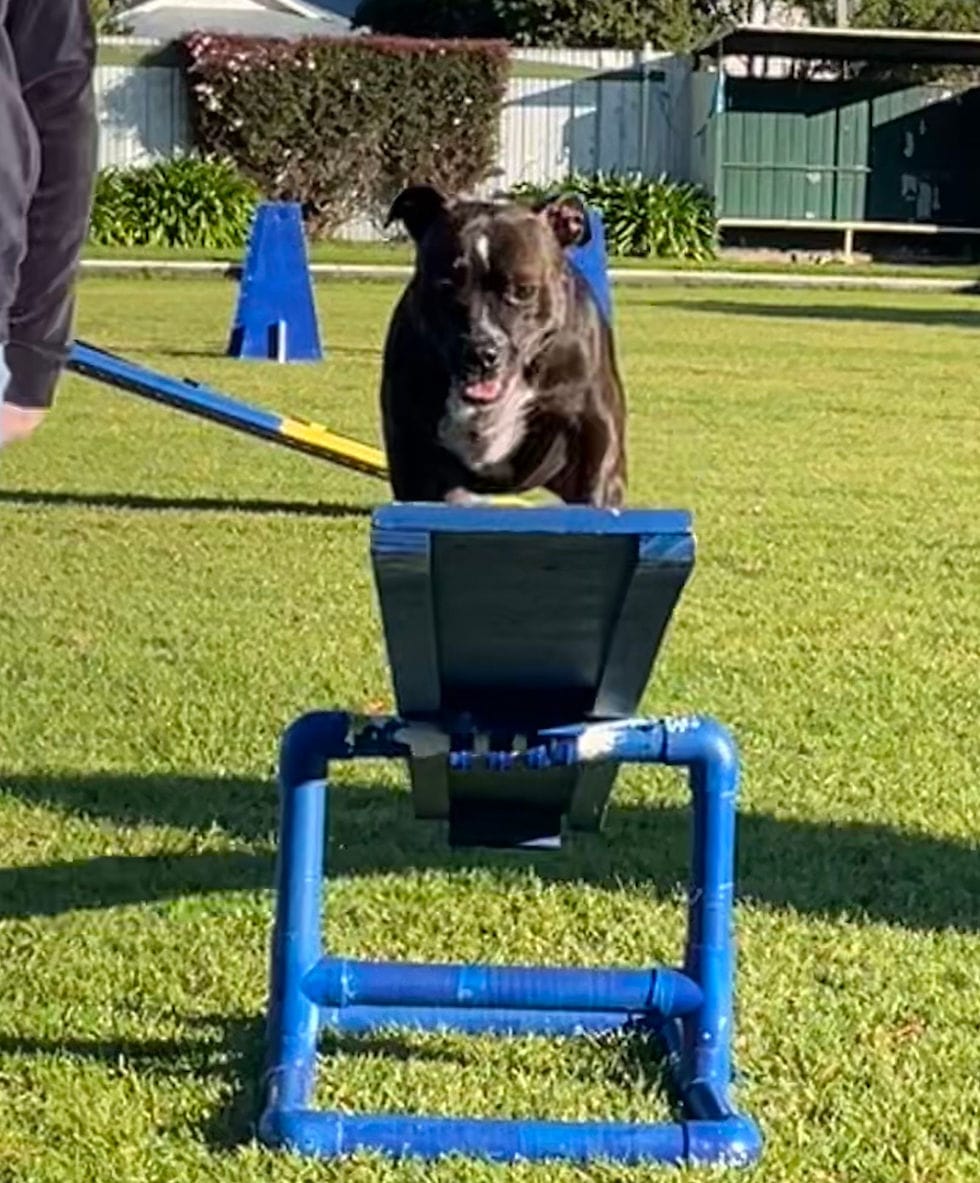
Agility training for dogs is a dynamic and engaging canine sport that tests a dog’s speed, obedience, and accuracy as they navigate a complex obstacle course. Handled by their owner, dogs race against the clock to complete a series of obstacles, such as jumps, tunnels, weave poles, and A-frames, in a predetermined order. It’s more than just a physical activity; it’s a thrilling partnership between human and dog, built on trust, communication, and a shared understanding. This sport showcases the incredible intelligence and athletic capabilities of dogs, fostering a deeper bond between them and their handlers.
The Origins and Evolution of Dog Agility
While modern dog agility has its roots in the early 1970s in Great Britain, its concept of testing canine athleticism with obstacles can be traced back much further. The initial idea for a canine obstacle course came from John Varley, who was inspired by equestrian show jumping. He developed a set of challenges for dogs that were first publicly demonstrated at the Crufts dog show in 1978. This display was met with immense enthusiasm, and the sport quickly spread across the globe. Today, agility is a competitive sport enjoyed by millions of dog lovers worldwide, with numerous organizations offering classes, competitions, and events. The evolution of dog agility has seen the development of standardized rules, sophisticated equipment, and diverse training methodologies, all aimed at enhancing the performance and well-being of our canine companions.
Understanding the Obstacles: A Dog’s Agility Playground
An agility course is a carefully designed sequence of obstacles that challenge a dog’s physical and mental capabilities. Each obstacle requires specific training and mastery to ensure the dog can perform it safely and efficiently. Here are some of the most common obstacles you’ll encounter:
Jumps
These are perhaps the most recognizable agility obstacles. Dogs must leap over bars set at varying heights, depending on their size and class. The challenge lies in the dog’s ability to clear the bar cleanly without knocking it down. Types of jumps include the standard bar jump, the wing jump, and the tire jump.
Tunnels
Dogs enter one end of a tunnel and emerge from the other. Tunnels can be straight or curved, adding an element of navigation and encouraging the dog to follow their handler’s direction even when the obstacle is out of sight. This tests their confidence and willingness to move through enclosed spaces.
Weave Poles
This is often considered one of the most challenging obstacles. Dogs must run through a line of vertical poles, entering with their shoulder to the left of the first pole and weaving in and out of each pole without skipping any. This requires precise footwork and speed.
Contact Obstacles
These obstacles require the dog to make deliberate contact with clearly marked “contact zones” on their way up and down. They are designed to be safe and forgiving, with sloping surfaces. Common contact obstacles include:
- A-Frame: A large, A-shaped ramp that dogs must climb up and down.
- Dog Walk: A long, elevated plank with ramps on either side. Dogs must traverse the plank without falling off.
- Teeter-Totter (See-Saw): A long plank balanced on a central pivot. Dogs must walk across the plank, causing it to tilt, and land in the contact zone at the other end.
Mastering these obstacles requires consistent training, a strong bond between dog and handler, and a deep understanding of canine behavior and biomechanics.
Getting Started with Agility Training for Dogs
Embarking on the journey of agility training for dogs can be incredibly rewarding. It’s a fantastic way to strengthen your relationship with your dog while providing them with essential physical and mental stimulation.
Choosing the Right Dog for Agility
While many breeds can excel in agility, some breeds are naturally predisposed due to their intelligence, athleticism, and eagerness to please. Breeds like Border Collies, Australian Shepherds, and Poodles are often top performers. However, mixed breeds and dogs of all shapes and sizes can enjoy and succeed in agility with the right training and handler. The most crucial factors are a dog’s enthusiasm for the sport and their willingness to work with their handler.
Essential Training Principles
- Positive Reinforcement: Agility training relies heavily on positive reinforcement methods. Using treats, praise, and toys to reward successful completion of obstacles encourages the dog to repeat desired behaviors.
- Building a Strong Foundation: Before introducing complex obstacles, focus on basic obedience commands like “sit,” “stay,” “come,” and “down.” A solid understanding of these commands is crucial for control and safety on the course.
- Introduction to Obstacles: Start slowly and introduce each obstacle individually. Break down complex movements into smaller, manageable steps. For instance, when introducing the A-frame, start with the dog walking partway up and down before progressing to the full height.
- Handler-Dog Communication: Agility is a team sport. Clear verbal cues and body language from the handler are essential for guiding the dog through the course. Practice your handling skills separately to ensure your dog understands your signals.
- Safety First: Always prioritize your dog’s safety. Ensure obstacles are at an appropriate height and difficulty level for your dog’s age, size, and physical condition. Avoid over-training, which can lead to fatigue or injury.
Finding Agility Training Classes
Joining an agility class is highly recommended for beginners. Experienced instructors can provide guidance, correct technique, and ensure a safe learning environment. Look for classes that emphasize positive reinforcement and a gradual introduction to obstacles. Many training facilities offer introductory or “fun” agility classes, which are excellent for getting started. If you’re interested in learning more about training at home, resources like home agility training for dogs can offer valuable insights.
Benefits of Agility Training for Dogs
The advantages of engaging your dog in agility training extend far beyond the agility ring. It offers a holistic approach to canine well-being, impacting their physical, mental, and emotional health.
Physical Health Benefits
Agility training provides an excellent cardiovascular workout, helping dogs maintain a healthy weight and reducing the risk of obesity-related health issues like joint problems and diabetes. The variety of movements – jumping, weaving, climbing – improves their muscle tone, coordination, balance, and overall physical fitness. For breeds prone to certain orthopedic conditions, controlled agility exercises can actually help build stronger supporting muscles.
Mental Stimulation and Cognitive Development
Agility is a mentally demanding sport. Dogs must learn to interpret handler cues, remember course sequences, and solve problems on the fly. This constant mental engagement helps prevent boredom and reduces the likelihood of destructive behaviors stemming from a lack of stimulation. It sharpens their focus, improves their problem-solving skills, and enhances their overall cognitive function. The process of learning new skills and navigating challenging situations also boosts their confidence.
Strengthening the Human-Animal Bond
Perhaps one of the most significant benefits of agility training is the profound impact it has on the relationship between a dog and its owner. Working together as a team, overcoming challenges, and celebrating successes creates an unparalleled level of trust and communication. This shared experience fosters a deeper connection, making your dog an even more integrated and cherished member of your family. Learning to understand your dog’s signals and body language, and having your dog understand yours, builds a unique language between you.
Socialization Opportunities
Participating in agility classes or competitions provides valuable socialization opportunities for dogs. They learn to interact appropriately with other dogs and people in a structured environment. This exposure is particularly beneficial for younger dogs and can help shy or anxious dogs gain confidence. Learning to navigate a busy training environment, with other dogs working and people moving around, is crucial for developing a well-adjusted canine.
Common Challenges and Solutions in Agility Training
While rewarding, agility training can present challenges. Understanding these common hurdles and knowing how to address them can make the training process smoother and more successful.
Fear of Obstacles
Some dogs may be fearful of certain obstacles, particularly those that are tall, noisy, or involve movement like the teeter-totter.
- Solution: Never force a fearful dog. Go back to basics, use high-value treats, and gradually introduce the obstacle at a very low level or distance. Make the experience positive and rewarding. Consider using agility training equipment dogs that are specifically designed for gentle introduction.
Lack of Motivation or Focus
A dog that is easily distracted or lacks motivation can struggle with maintaining focus on the course.
- Solution: Ensure your dog is getting enough physical and mental exercise outside of training. Use highly motivating rewards – special treats or toys they only get during agility. Keep training sessions short, fun, and engaging. If your dog is struggling with focus, consider exploring beginning agility training for dogs techniques that prioritize engagement.
Handling Errors
Handlers can also make mistakes, such as giving incorrect cues or poor body positioning, which can confuse the dog.
- Solution: Practice your handling skills independently. Watch videos of successful handlers and consider taking handler-focused workshops. Consistent practice and self-awareness are key to improving your handling.
Physical Limitations or Injuries
Dogs may have underlying physical issues or sustained injuries that affect their performance.
- Solution: Always consult with your veterinarian before starting agility training, especially if your dog has a history of health problems. Pay close attention to your dog’s body language for signs of fatigue or discomfort. If an injury occurs, seek professional veterinary care immediately and allow for proper rest and rehabilitation.
The Future of Dog Agility: Innovation and Accessibility
The world of dog agility is continually evolving. Innovations in training techniques, equipment design, and even sports science are making the sport more accessible and enjoyable for a wider range of dogs and handlers. There’s a growing emphasis on creating courses and training methods that are adaptable to dogs of all abilities, including those with physical limitations or specific behavioral needs. The development of virtual reality and augmented reality training tools is also on the horizon, promising new ways to practice and improve. As the sport grows, so does the community, fostering a supportive network for handlers and their canine partners. Whether you’re looking for competitive challenges or just a fun way to bond with your dog, agility training offers a path to explore the incredible capabilities of your canine companion. For those looking to get started at home, understanding agility training for dogs at home can be the first step.
Frequently Asked Questions (FAQ)
Q1: How old does my dog need to be to start agility training?
A1: Puppies should not begin rigorous agility training until their growth plates have closed, typically around 12-18 months of age, depending on the breed. However, basic foundation skills and introduction to some low-impact obstacles can start earlier under careful guidance.
Q2: Can any dog participate in agility training?
A2: While some breeds are more naturally suited, almost any dog can participate in some form of agility training, adapted to their physical capabilities and temperament. The focus is on fun, teamwork, and building confidence.
Q3: What are the most important qualities for a dog in agility?
A3: Key qualities include willingness to please, athleticism, confidence, and a good drive for toys or treats. A strong bond with the handler is paramount.
Q4: How often should I train my dog in agility?
A4: Short, frequent training sessions are more effective than long, infrequent ones. Aim for 10-20 minute sessions a few times a week, ensuring your dog remains engaged and doesn’t get fatigued.
Q5: Is agility training safe for my dog?
A5: Agility training can be very safe when conducted correctly, with proper warm-ups, cool-downs, and appropriately sized obstacles. It’s crucial to avoid over-training and to consult with a veterinarian about your dog’s fitness for the sport.
Q6: What is the difference between agility and flyball?
A6: Agility involves navigating an obstacle course, emphasizing speed, precision, and handler cues. Flyball is a relay race where dogs retrieve a ball from a specialized box and return it, focusing on speed and scent discrimination.
In conclusion, agility training for dogs is a multifaceted activity that offers immense benefits for both canines and their handlers. It’s a journey of discovery, pushing the boundaries of what you and your dog can achieve together. By focusing on positive reinforcement, clear communication, and a gradual approach, you can unlock your dog’s full potential and forge an unbreakable bond through the exciting world of canine agility.
