
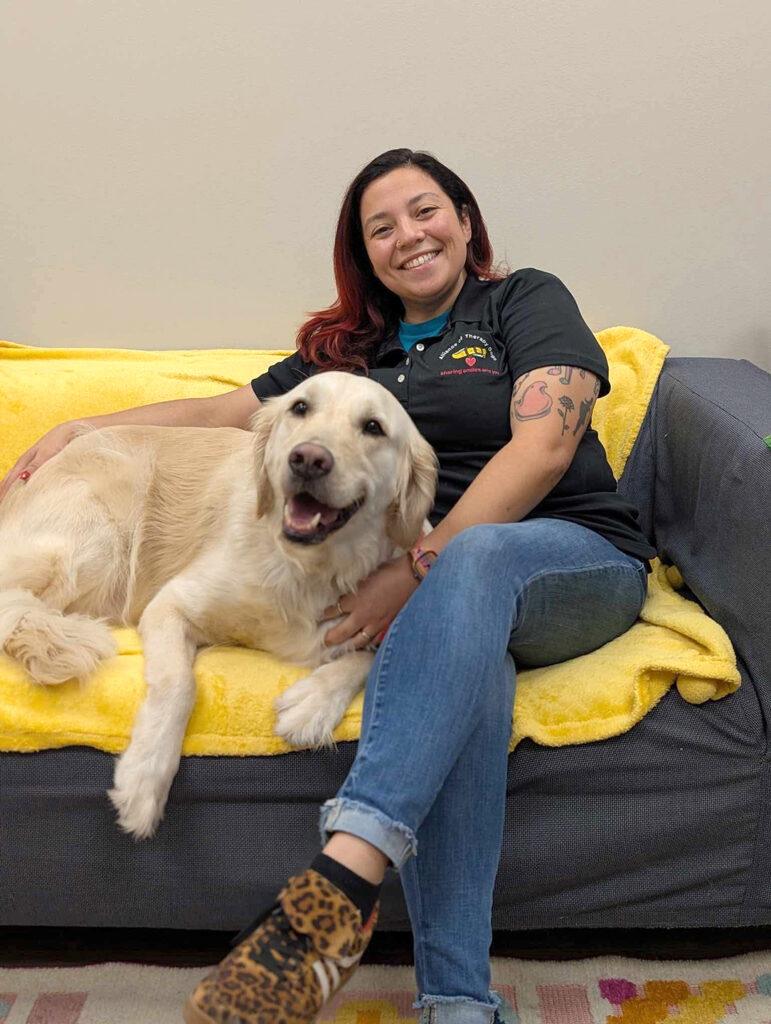
In a world that often feels fast-paced and isolating, the gentle, non-judgmental presence of a dog can be a powerful source of comfort. While many of us experience this with our own pets, a special group of canines is trained to share this gift with the wider community. But What Is A Therapy Dog Trained To Do exactly? It’s a question that opens the door to a fascinating world of structured training, innate temperament, and profound human-animal connection. These dogs are more than just friendly pets; they are trained professionals whose job is to provide comfort, support, and affection to people in various challenging situations.
The journey to becoming a therapy animal is a dedicated process, and understanding their role is key to appreciating their impact. For those considering this path for their own companion, learning about how to get dog trained as a therapy dog can be the first step toward a rewarding volunteer experience. This article will explore the specific skills, training protocols, and the unique job description of these four-legged healers.
Therapy Dog vs. Service Dog: A Crucial Distinction
Before diving into the specifics of their training, it’s essential to clarify a common point of confusion: therapy dogs are not the same as service dogs. Understanding the difference is vital for respecting their distinct roles and the laws that govern them.
The Role of a Service Dog
A service dog is individually trained to perform specific, life-assisting tasks for a person with a disability. This can be a physical, sensory, psychiatric, intellectual, or other mental disability. For example, a guide dog assists a visually impaired person, while a medical alert dog might signal the onset of a seizure. Their training is highly specialized and tailored to their handler’s unique needs. Consequently, service dogs are granted broad public access rights under laws like the Americans with Disabilities Act (ADA), allowing them to accompany their handler almost anywhere. The focused nature of their work is evident in programs like service dog training in maine, which prepares them for these specific duties.
The Role of a Therapy Dog
A therapy dog, on the other hand, is trained to provide comfort and affection to many different people, not just one handler. They volunteer with their owners in settings such as hospitals, schools, and nursing homes. Their primary “task” is to offer their calm and friendly presence to improve the mental and emotional well-being of others. They do not have the same public access rights as service dogs and can only enter facilities by invitation.
According to Dr. Emily Carter, an animal-assisted therapy specialist, “The magic of a therapy dog isn’t in performing a complex task, but in its unwavering ability to offer a calm, affectionate presence in an environment that is often stressful or clinical. Their training is all about reliability and temperament.”
The Core Skills: What Is a Therapy Dog Trained to Do?
A therapy dog’s training is less about task performance and more about cultivating an unshakable foundation of calm, obedience, and social grace. Their “job” is to be predictable, gentle, and emotionally resilient in a variety of unpredictable environments.
Foundational Obedience and Temperament
At the heart of all therapy work is flawless basic obedience. A therapy dog must respond reliably to commands such as “sit,” “stay,” “down,” and “leave it,” even with numerous distractions. This isn’t just about being well-behaved; it’s a matter of safety and control in sensitive environments. Beyond commands, the dog’s innate temperament is paramount. A suitable candidate is naturally calm, patient, and gentle. They should not be easily startled by loud noises, sudden movements, or unfamiliar equipment like wheelchairs and IV stands.
Socialization and Environmental Neutrality
A huge part of their training involves extensive socialization. A therapy dog must be comfortable and confident around a wide range of people, including children, the elderly, and individuals with physical or cognitive challenges. This training involves exposing them to various sights, sounds, and smells to ensure they remain unfazed in busy or chaotic settings. This skill, often called “bombproofing,” ensures the dog can walk into a bustling hospital lobby or a loud classroom and remain focused and calm.
Accepting a Friendly Stranger
Therapy dogs are trained to calmly approach and be approached by strangers. They learn to be comfortable with being petted and handled by unfamiliar people, which is a core part of their volunteer work. Trainers test a dog’s ability to remain composed while a friendly stranger interacts with them, ensuring they show no signs of shyness or resentment.
Calmly Handling Awkward Petting and Crowding
People, especially those in distress or children, may not always pet a dog gracefully. A therapy dog is trained to tolerate clumsy petting, gentle tugs on their fur, and even being surrounded by a small group of people. This training is crucial for preventing stress-related reactions and ensuring every interaction is a positive one. They learn to be patient and forgiving, understanding that the intent is friendly even if the execution is awkward. For those seeking a pre-trained companion, understanding how to get a trained therapy dog involves ensuring they have mastered this level of tolerance.
Where Do Therapy Dogs Put Their Training to Use?
The skills of a therapy dog are applicable in a surprisingly diverse range of environments, each with its own unique challenges and rewards.
Hospitals and Nursing Homes
In medical settings, therapy dogs provide a welcome distraction from pain and anxiety. They are trained to navigate around medical equipment, interact gently with patients in beds, and offer a moment of normalcy and affection. Their presence has been shown to lower blood pressure, reduce stress hormones, and lift the spirits of both patients and staff.
Schools and Libraries
In educational settings, therapy dogs often participate in reading programs. A child who is a reluctant reader may feel more comfortable reading aloud to a patient, non-judgmental dog. Here, the dog is trained to lie quietly and attentively, creating a safe and encouraging atmosphere for learning.
Disaster Relief Areas
In the aftermath of a crisis, therapy dogs and their handlers are deployed to disaster sites to provide comfort to first responders and survivors. They are trained to handle chaotic and emotionally charged environments, offering silent support to those who have experienced trauma. Their ability to simply “be there” can be an incredible anchor in a storm of grief and stress.
The Training Journey: From Puppy to Professional Comforter
The path to becoming a certified therapy dog is a structured process that begins with selecting the right candidate and progresses through several stages of rigorous training and evaluation.
The Ideal Candidate: Breeds and Personalities
While any breed can potentially become a therapy dog, certain breeds like Golden Retrievers, Labradors, and Cavalier King Charles Spaniels are common due to their naturally gentle and sociable dispositions. However, personality is far more important than pedigree. The ideal candidate is calm, friendly, confident, and eager to please. They must genuinely enjoy human contact and be resilient to stress.
Key Training Stages
- Early Socialization: From a young age, potential therapy dogs are exposed to different people, places, and situations to build confidence.
- Basic & Advanced Obedience: The dog must master fundamental commands and prove reliable in distracting environments. The Canine Good Citizen (CGC) certification is often a prerequisite for therapy dog programs.
- Specific Therapy Skills: This stage focuses on the nuances of therapy work, like ignoring dropped items (like pills), walking calmly on a loose leash, and practicing gentle interactions.
- Evaluation and Certification: Finally, the dog and handler team must pass a test administered by a recognized therapy dog organization. The evaluator observes the team in simulated therapy settings to ensure they work together seamlessly and that the dog has the right temperament for the job.
Frequently Asked Questions (FAQ)
What tasks are therapy dogs trained for?
Unlike service dogs, therapy dogs are not trained for specific tasks related to a disability. Their primary training focuses on providing comfort, affection, and emotional support through their presence. Their “tasks” are to be calm, obedient, gentle with strangers, and adaptable to new environments.
Can any dog become a therapy dog?
While many dogs have a friendly nature, not all are suited for therapy work. A therapy dog must have an exceptionally calm and stable temperament, be highly obedient, and genuinely enjoy interacting with a wide variety of unfamiliar people in often stressful environments.
How long does it take to train a therapy dog?
The timeline varies depending on the dog’s age, temperament, and prior training. The process typically takes several months to over a year to master advanced obedience and pass the rigorous certification tests required by therapy dog organizations.
Do therapy dogs have special rights?
Therapy dogs do not have the same legal access rights as service dogs. They are considered pets under the law and are only allowed in facilities like hospitals, schools, and nursing homes by invitation and agreement with the institution.
What is the difference between a therapy dog and an emotional support animal (ESA)?
A therapy dog provides comfort to many people in a community setting as a volunteer. An emotional support animal provides comfort and companionship to its owner to help with a mental health condition. ESAs do not require specialized training for public interaction and do not have the same access rights as service or therapy dogs.
Conclusion: The Quiet Power of Presence
So, what is a therapy dog trained to do? In essence, they are trained to be a reliable, calming, and loving presence. They are experts in emotional support, masters of obedience in distracting situations, and ambassadors of the unconditional affection that only a dog can provide. Their training allows them to share their innate gift of companionship with those who need it most, proving that sometimes the most profound therapy doesn’t come from a complex task, but from the quiet, steady presence of a loyal friend.
