
Have you ever watched a horse race and thought, “I wish I could bet on more than just one race”? Well, you’re in luck! The “Pick 3” is a popular pari-mutuel wager that allows you to do just that, combining the thrill of multiple races into one exciting bet. It’s a fantastic way to potentially increase your winnings, but it also requires a bit more strategy than a simple win, place, or show bet. Let’s dive into what a Pick 3 is, how it works, and some tips to help you make the most of it.
The basic premise of a Pick 3 is straightforward: you select the winning horse in three consecutive races at a particular racetrack on a given day. If you successfully pick the winner in all three designated races, you win a share of the Pick 3 pool. It’s a bet that offers a higher payout potential than single-race wagers because the odds multiply with each correct selection. This means a relatively small investment can lead to a significant return if you have a successful run.
How Does the Pick 3 Work?
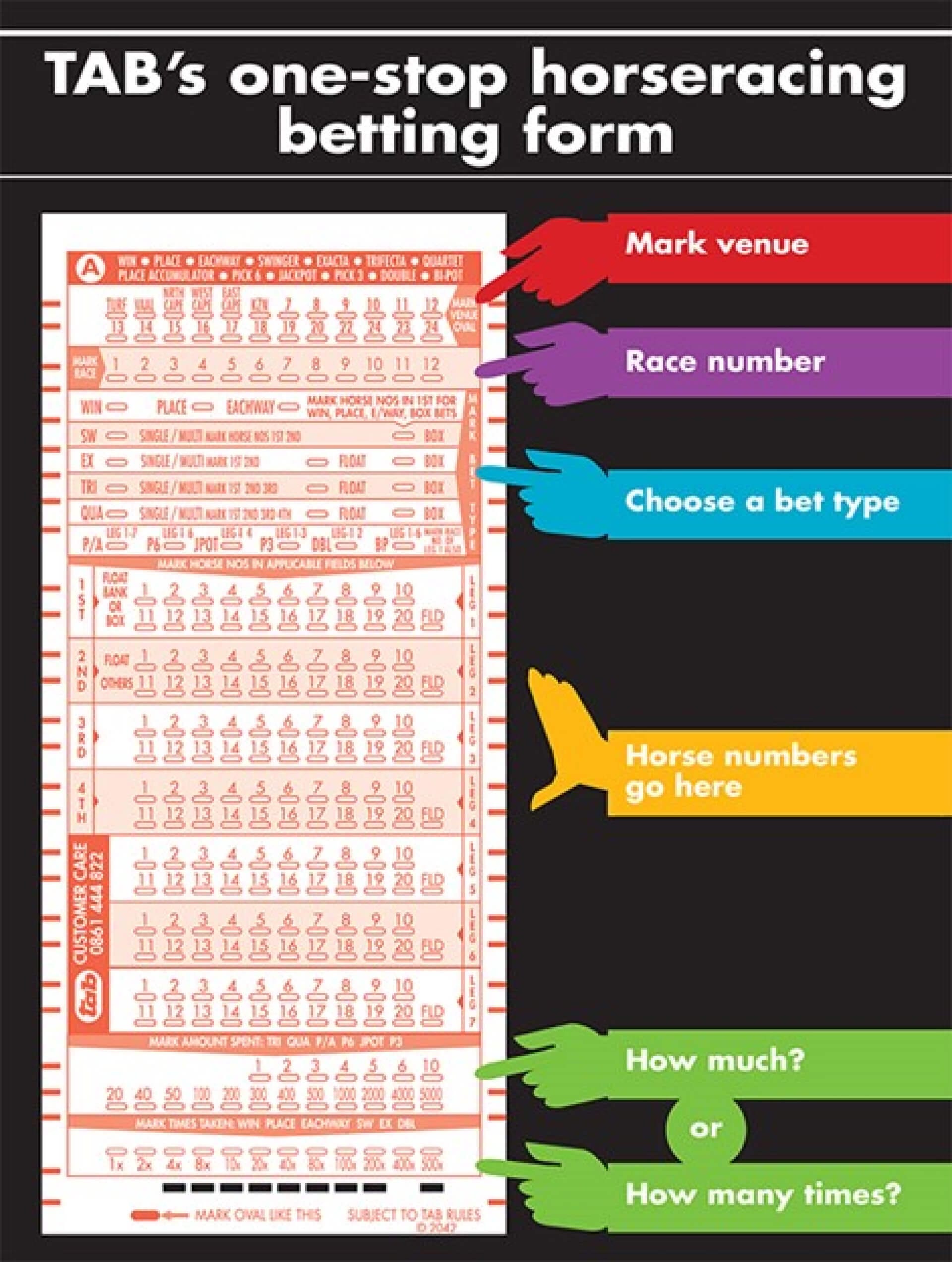
The mechanics of placing a Pick 3 bet are similar to other pari-mutuel wagers. You’ll fill out a betting slip, indicating the horses you’ve chosen for each of the three races. For instance, in Race 1, you might select horse #3. In Race 2, you might choose horses #2 and #5, and in Race 3, you might pick horse #1. This is called using multiple horses in a single race, which increases your chances of winning but also increases the cost of your ticket.
The cost of a Pick 3 ticket is typically a base amount, often $1, but you can bet more to increase your potential payout. If you select multiple horses in any of the three races, the cost of your ticket will increase. For example, if you pick one horse in Race 1, two horses in Race 2, and three horses in Race 3, your $1 bet would cost $1 x 2 x 3 = $6. This is because you essentially have six different combinations of winners across those three races.
The “consecutive races” aspect is crucial. The Pick 3 usually covers three races in a row, such as Races 3, 4, and 5, or Races 7, 8, and 9. The specific races designated for the Pick 3 will be clearly advertised by the track. If you fail to pick the winner in any one of the three races, you lose your bet, regardless of how many winners you picked in the other two races.
Strategies for Picking Your Winners
Winning a Pick 3 isn’t just about luck; a little bit of strategy can go a long way. Here are some approaches to consider:
The “Banker” Strategy
One popular strategy is to “bank” a horse in one of the races. This means you are very confident that a particular horse will win one of the three races. You then use this “banker” horse on all your tickets for that race, while using more combinations of horses in the other two races. This can help manage the cost of your ticket while still covering a good range of possibilities. For example, if you feel strongly about horse #4 in Race 4, you would put horse #4 down for Race 4 on all your tickets. Then, you could spread your choices across multiple horses in Races 3 and 5. This is a bit like how people might approach people watching horse racing, focusing their attention on a few key participants.
Spreading Your Bets
Another strategy is to spread your selections across multiple horses in each race. While this increases the cost of your ticket, it also significantly broadens your chances of hitting the winning combination. This approach is often favored by handicappers who have identified several horses with a strong chance of winning in each designated race. You might consider this if you’re playing a track with a large field of horses, where upsets are more common.
Considering the Pace and Class
When handicapping for a Pick 3, it’s important to consider the pace of each race and the class of the horses. A horse that performs well in a fast-paced race might struggle in a slower one, and vice versa. Similarly, a horse that typically races in lower-class events might find it difficult to compete against stronger competition in a higher-class race. Understanding these dynamics can help you identify potential winners that others might overlook. This is similar to how one might analyze keeneland horse racing odds, looking for value beyond the obvious favorites.
Using Past Performance Data
As with any horse racing bet, diligent handicapping is key. Study the past performance (PP) data for each horse. Look at their recent finishes, the quality of competition they’ve faced, their track records, and any trainer or jockey statistics that seem relevant. Some handicappers also pay close attention to the morning line odds, which offer an estimation of each horse’s popularity.
Pick 3 Variations and Related Bets
While the standard Pick 3 involves three consecutive races, there are sometimes variations. Some tracks offer “rolling Pick 3s,” where you can start your Pick 3 bet on any race, as long as there are at least three races remaining on the card. This offers more flexibility for bettors who may not want to start their sequence early in the day.
The Pick 3 is also related to other multi-race wagers like the Pick 4, Pick 5, and Pick 6, which involve selecting winners in four, five, or six consecutive races, respectively. These bets naturally carry higher risk but also offer the potential for much larger payouts. For those looking for convenient betting options on the go, exploring an app like the betmgm horse racing app can be a good starting point to understand different bet types.
Tips for a Successful Pick 3 Bet
- Manage Your Bankroll: Decide how much you’re willing to spend on the Pick 3 before you start. Don’t chase losses, and be disciplined with your betting.
- Do Your Homework: Thoroughly research the horses, jockeys, and trainers involved in the designated races. The more informed you are, the better your chances.
- Consider the Track Conditions: Weather can significantly impact race outcomes. Check if the track is fast, muddy, or firm, and how horses have performed under similar conditions. Information about horse racing in northern california, for example, might highlight specific track nuances.
- Don’t Overbet: Using too many horses in each leg can quickly make your ticket prohibitively expensive. Try to find a balance between coverage and cost.
- Look for Value: Don’t just pick the favorites. Sometimes, a horse with slightly higher odds might have a better chance of winning than perceived, offering better value for your bet.
- Stay Updated on Channels: If you’re betting remotely, ensure you know which directv horse racing channels or streaming services are broadcasting the races you’re interested in.
Conclusion
The Pick 3 offers an engaging way to experience the excitement of horse racing across multiple events. By understanding how the wager works, employing sound handicapping strategies, and managing your bankroll effectively, you can increase your enjoyment and your potential for winning. Remember, it’s a game of skill and chance, so have fun, stay informed, and may your picks be winners!
