
Have you ever wondered if that bag of kibble sitting in your pantry is safe for human consumption? While the thought might seem unusual, it’s a question that crosses many minds, perhaps out of curiosity or necessity in extreme circumstances. Understanding the composition and purpose of dog food is key to answering this. Dog food is specifically formulated to meet the nutritional requirements of canine companions, which differ significantly from our own. While a small, accidental taste is unlikely to cause harm, making dog food a regular part of your diet is not recommended due to potential health risks and nutritional inadequacies. what can can t dogs eat
Understanding Dog Food Ingredients
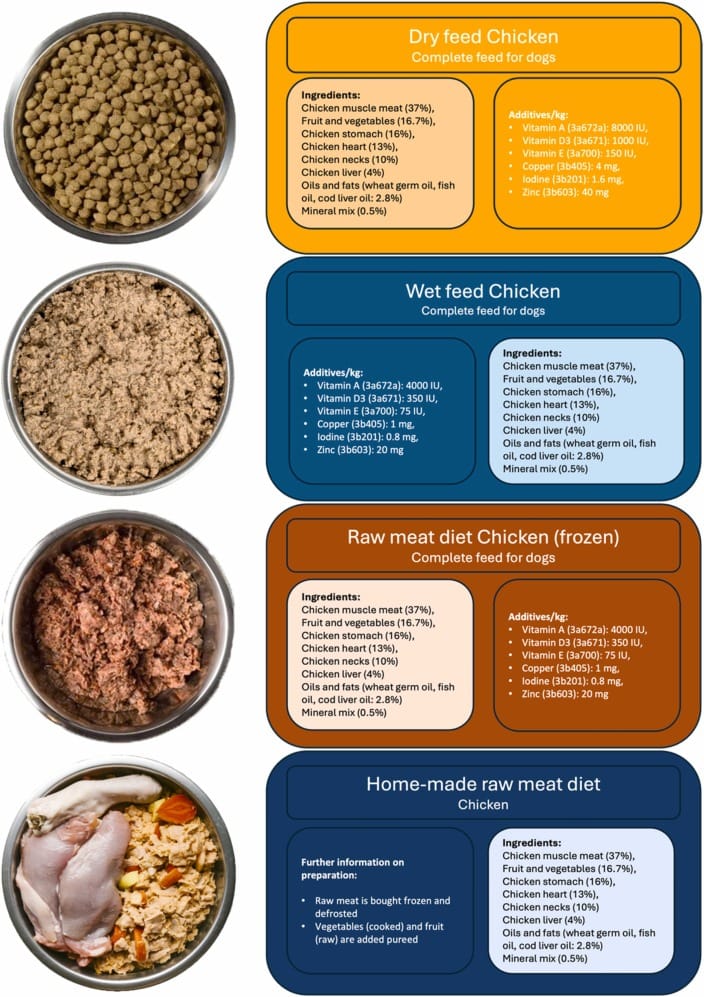
Commercially prepared dog food is a blend of various ingredients designed for a balanced canine diet. These typically include a mix of animal byproducts, grains, soybeans, vitamins, and minerals. Animal byproducts, often found in dog food, can consist of meat scraps, ground bones, skin, organs, and other parts that, while unappetizing to humans, are not inherently dangerous if properly cooked, processed, and stored.
However, the nutritional profile and additives in dog food warrant caution for human consumption. Certain dog foods contain menadione, a synthetic form of vitamin K also known as vitamin K3. While considered safe for dogs, research indicates that menadione can be toxic to humans in large quantities. Although the amount present in commercial dog food is usually low, regular or long-term ingestion by humans is not advisable. For definitive information on whether your dog’s food contains vitamin K3, contacting the manufacturer is the best course of action.
Different Nutritional Needs for Dogs and Humans
While dog food is technically edible, it is not suitable for regular, long-term consumption by humans. This is primarily because dogs and humans have distinct nutritional needs. Dog food may not contain all the essential nutrients that the human body requires for optimal health.
For instance, vitamin C is a vital nutrient for humans, playing a crucial role in skin health and immune function. Unlike humans, who must obtain vitamin C from their diet, dogs possess the biological capability to synthesize this vitamin in their liver. Consequently, vitamin C is not always a required ingredient in dog food formulations. Relying on dog food as a primary nutrition source could therefore lead to deficiencies in essential vitamins like C over time, potentially impacting your health. It’s important to ensure your dog is getting the right nutrition, and for humans, this means sticking to a diet designed for people. what can my dog eat if she has diarrhea
Potential Risks of Human Consumption
The primary concern with humans consuming dog food lies in the potential for toxic ingredients and nutritional imbalances. As mentioned, vitamin K3 (menadione) poses a risk in high doses. Furthermore, the overall nutritional composition of dog food is not adequate for long-term human health. This means that even if no immediate adverse effects are felt, a sustained diet of dog food could lead to various health problems stemming from nutrient deficiencies.
For dogs, specialized diets are crucial. Understanding what is safe and what is not is paramount for their well-being. For example, knowing what meat is bad for your dog or even what raw chicken can dogs eat is essential knowledge for any responsible pet owner. Similarly, if your dog is experiencing digestive issues, knowing what can I do to help my dog eat can be critical.
Conclusion
In summary, while ingesting a small amount of dog food is unlikely to cause significant harm to humans, it is not recommended for regular or long-term consumption. The ingredients, while processed for pets, can contain components toxic to humans in larger quantities, and the overall nutritional balance is inadequate for human dietary needs. Sticking to human food for your diet and ensuring your dog receives appropriate canine nutrition is the safest and healthiest approach for everyone involved. Always consult with a veterinarian or a pet nutrition expert if you have specific concerns about your pet’s diet or if you are in a situation where human food is scarce.
