
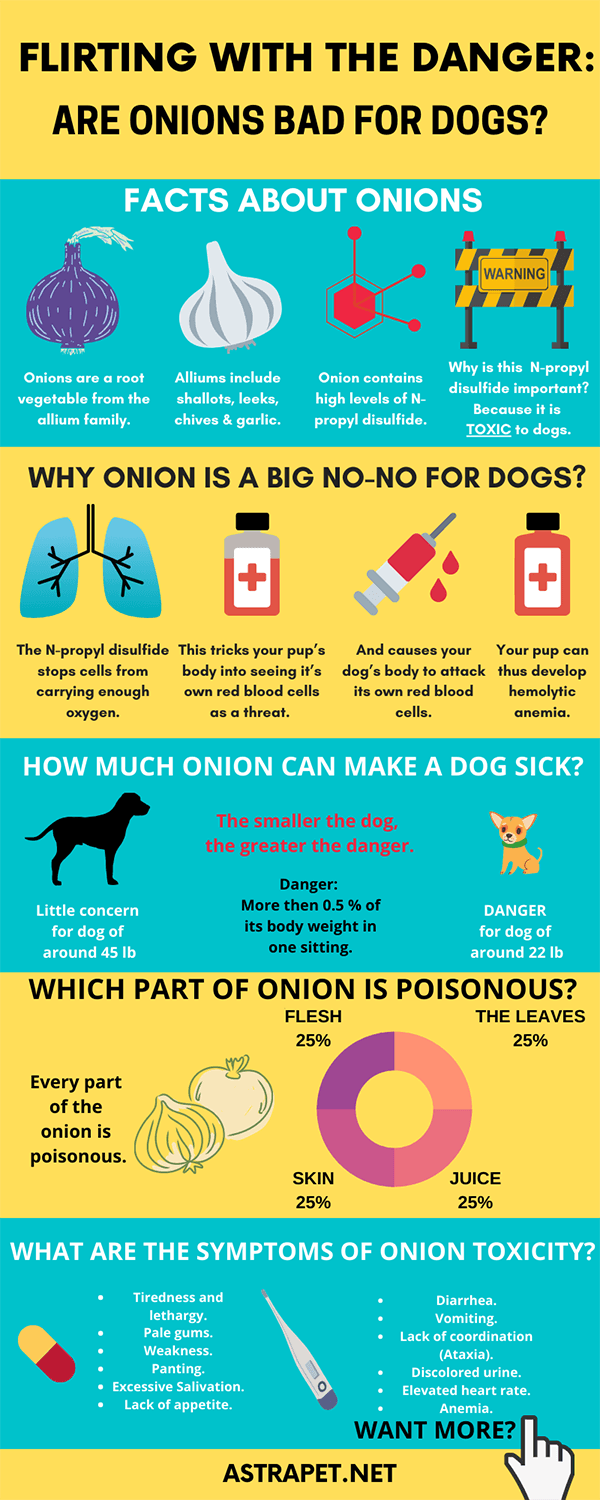
As devoted pet owners, the question of what is safe for our canine companions to consume often arises, especially when preparing meals or considering table scraps. When it comes to onions, the answer is an unequivocal and emphatic no. Onions are highly toxic to dogs and can lead to severe health complications, even with small ingestions. Understanding these dangers and knowing when to seek immediate veterinary care is crucial for your dog’s well-being.
Frequently Asked Questions About Onion Poisoning in Dogs
When Should Onion Ingestion Be Considered an Emergency?
Dogs cannot safely consume onions in any form. The compounds found in onions can damage a dog’s red blood cells, potentially leading to life-threatening anemia. Emergency veterinary attention is imperative if your dog exhibits symptoms such as weakness, pale gums, rapid breathing, vomiting, or collapse after ingesting onions. It is important to note that even small amounts can be dangerous, particularly for smaller breeds or specific breeds like Akitas and Shiba Inus, which may be more susceptible.
How Much Onion is Toxic to Dogs?
Any quantity of onion can be harmful to dogs. Even minimal amounts, such as a single slice of onion or foods containing onion powder, can trigger adverse reactions. The toxic effects can accumulate over time if a dog ingests small amounts regularly. Larger ingestions significantly increase the risk of severe complications and necessitate prompt veterinary intervention.
What Immediate Signs Warrant Immediate Veterinary Attention?
Never overlook signs such as pale gums, pronounced weakness, collapse, difficulty breathing, or reddish or brown urine following onion consumption. These symptoms are critical indicators that toxic compounds are actively damaging your dog’s red blood cells. Contact a veterinary clinic immediately if you observe these warning signs, as prompt treatment can dramatically improve the prognosis.
The Science Behind Onion Toxicity in Dogs
Onions contain specific compounds, primarily N-propyl disulfide, that wreak havoc on a dog’s red blood cells, leading to hemolytic anemia. These substances oxidize hemoglobin within the red blood cells, causing them to form Heinz bodies and ultimately rupture. All forms of onion are equally dangerous—whether raw, cooked, powdered, or dehydrated—and will elicit the same toxic response in dogs.
Recognizing Mild Cases of Onion Poisoning
In milder cases of onion poisoning, symptoms may initially manifest as gastrointestinal upset. This can include vomiting, diarrhea, or a decreased appetite. Your dog might appear slightly lethargic but should still be responsive and aware of their surroundings. These less severe symptoms usually appear within 24 hours of onion consumption but can escalate to more serious issues if left untreated.
Identifying Serious Cases of Onion Poisoning
Serious onion poisoning is characterized by more alarming symptoms, including pale or yellowish gums, profound weakness, rapid breathing, and an elevated heart rate. Your dog may appear extremely fatigued or even collapse with minimal exertion. The presence of reddish or brown urine is a significant indicator that red blood cells are being damaged and filtered through the kidneys. These severe symptoms demand immediate veterinary care as they signal potentially life-threatening anemia.
What Steps to Take If Your Dog Eats Onions
Step 1: Determine What Was Consumed
Your first step should be to accurately assess what your dog ingested and estimate the quantity. Determine if they consumed raw onions, cooked onions, or foods with onion powder or dehydrated onions, such as soups or sauces. Crucially, note the time of consumption, as symptoms can take time to develop.
Step 2: Contact a Veterinary Clinic Immediately
Contact a veterinary clinic without delay if you know or suspect your dog has eaten onions. Clearly communicate the type of onion product consumed, the approximate amount, the time of ingestion, and any symptoms you have observed. The veterinary team can then advise whether immediate professional care is necessary or if you should monitor for specific symptoms at home.
Step 3: Monitor for Worsening Symptoms
It is vital to monitor your dog closely for at least 48 to 72 hours following potential onion exposure, as symptoms can emerge gradually. Pay close attention to any changes in their energy levels, gum color, breathing rate, and the color of their urine. Maintaining a log of observed symptoms will be invaluable information to share with your veterinarian. Do not hesitate to call the veterinary clinic immediately if symptoms worsen or new ones appear.
Potential Life-Threatening Conditions
Severe anemia resulting from onion poisoning poses a significant risk to your dog’s life when a large number of red blood cells are destroyed. Insufficient functional red blood cells mean that vital tissues and organs cannot receive adequate oxygen. This critical oxygen deprivation can severely impact the heart, brain, and kidneys. In extreme and untreated cases, this condition can be fatal.
Supportive Care Before Veterinary Intervention
Offer Small Sips of Water
If your dog is alert and not actively vomiting, you can offer small amounts of water to help prevent dehydration. Limit the intake to a few tablespoons at a time to avoid inducing further vomiting. Always seek guidance from your veterinary clinic regarding specific feeding and watering instructions tailored to your dog’s condition. [what vegetables can i feed my dog with kidney disease]
Ensure Your Pet’s Safety and Calmness
Immediately remove all onion-containing foods from your dog’s reach. Securely dispose of any trash containing food scraps and ensure all household members are aware of the danger. Keeping your dog calm and quiet while awaiting veterinary care will help reduce stress on their body during this vulnerable period.
Preventing Future Onion Poisoning Incidents
Proactive prevention is key to safeguarding your dog from onion toxicity. Store all onions and foods containing onions in secure cabinets or refrigerators that your dog cannot access. Diligently read food labels, as many processed and pre-prepared foods contain onion powder or dehydrated onions as flavorings. It is best to avoid feeding your dog table scraps altogether, as numerous human foods contain onions or onion powder. Educate all guests and family members, particularly children, never to share food with your dog without your explicit approval. [what food shouldn’t dogs have]
Expert Care is Available
Our veterinary hospitals are fully equipped to manage onion poisoning with the appropriate treatment options. For mild cases exhibiting minimal symptoms, your regular veterinarian may be suitable for monitoring and ongoing care.
However, if your dog displays severe symptoms such as pronounced weakness, pale gums, or difficulty breathing, contact an emergency veterinary hospital immediately. When in doubt about the severity of your dog’s symptoms, please call us. We can provide expert guidance and help you navigate the situation. [what can dogs eat other than dog food]
Key Takeaways for Pet Owners
- Onions in any form – raw, cooked, powdered, or as an ingredient in prepared foods – are toxic to dogs and must never be offered to them.
- Be vigilant for symptoms such as weakness, pale gums, rapid breathing, or discolored urine, which may manifest hours or days after onion ingestion.
- Contact a veterinary clinic immediately if you know or suspect your dog has consumed onions, especially if they are exhibiting concerning symptoms. [what raw meat can pitbulls eat] [what foods can dogs eat that humans eat]
