
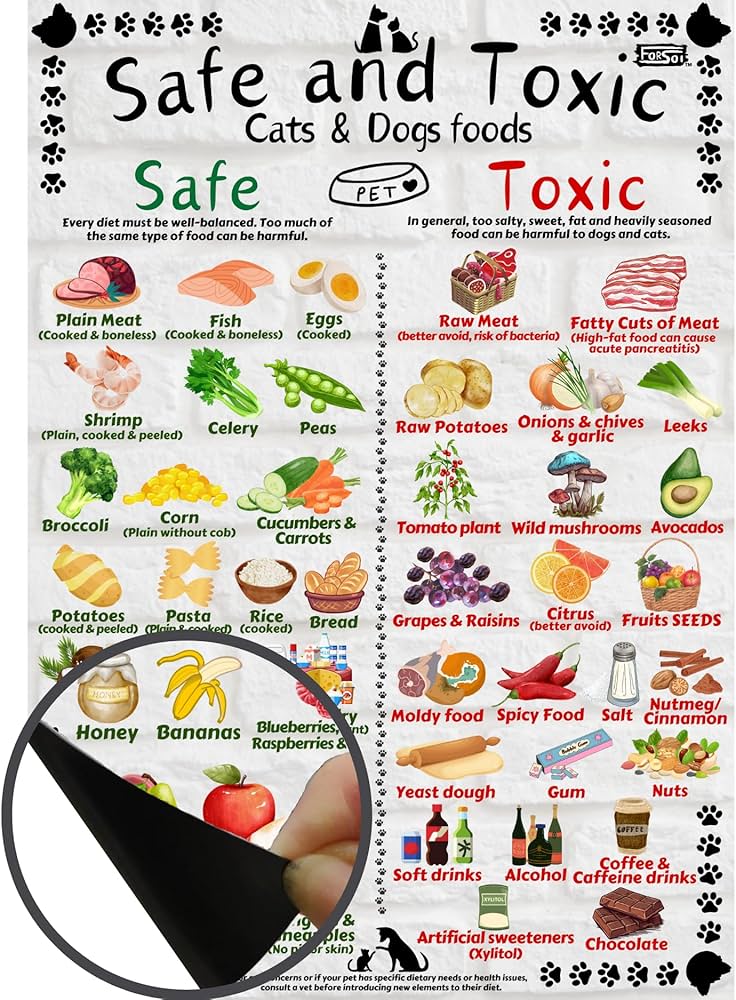
Welcoming a cat or dog into your home is a joyous occasion, but it also comes with significant responsibilities, particularly when it comes to their diet. While it might be tempting to share your meals with your beloved pets, many common human foods can pose serious health risks, leading to sickness or even fatality. Understanding these dangers is crucial for every pet owner to ensure their furry companions remain safe and healthy. This article will delve into a comprehensive list of human foods that should be strictly kept away from cats and dogs.
Alcohol
Alcohol affects cats and dogs in a similar manner to how it affects humans, but their smaller bodies mean that even small amounts can have severe consequences. High levels of alcohol consumption can lead to intoxication, severe gastrointestinal irritation, respiratory distress, and in critical cases, coma or death.
Avocado
Avocado contains a substance called persin, which is present in all parts of the fruit, including the skin, pit, and leaves. For cats and dogs, ingestion of avocado can cause gastrointestinal irritation, leading to vomiting and diarrhea. More severe reactions can include respiratory distress, congestion, and fluid accumulation around the heart tissues, which can ultimately be fatal.
Chocolate
Chocolate is a well-known toxin for pets due to the presence of theobromine, a methylxanthine. The severity of theobromine toxicity is dose-dependent, meaning it depends on the size of the animal, the quantity consumed, and the type of chocolate. Symptoms can range from restlessness, hyperactivity, and nervousness to trembling, vomiting, diarrhea, increased thirst and urination, rapid heart rate, and seizures. Darker chocolates, such as dark chocolate and baking chocolate, contain higher concentrations of theobromine and are therefore more dangerous than milk chocolate or white chocolate, which has the lowest levels.
Coffee, Tea, and Other Caffeine Products
Caffeine is a stimulant that can be fatal to cats and dogs in sufficiently large doses, and there is no antidote. Symptoms of caffeine poisoning include restlessness, rapid breathing, heart palpitations, and muscle tremors. It’s vital to keep coffee, tea, energy drinks, and any products containing caffeine out of reach.
Cooked Bones
While bones can be a natural part of a dog’s diet, cooked bones are a significant hazard. When cooked, bones become brittle and can easily splinter. These sharp fragments can cause severe gastrointestinal obstruction or laceration as they pass through the digestive tract.
Fat Trimmings
Fat, whether cooked or uncooked, can cause significant intestinal upset in pets, leading to vomiting and diarrhea. Furthermore, ingesting fatty foods can trigger pancreatitis, a painful and potentially serious inflammation of the pancreas.
Grapes, Raisins, Sultanas, and Currants
The exact toxic substance in these fruits remains unknown, but their consumption has been linked to acute kidney failure in dogs. Even small amounts can be dangerous, so it’s essential to avoid feeding them to your pets.
Onions, Garlic, and Chives
These allium vegetables contain compounds that can cause gastrointestinal irritation and damage red blood cells, leading to a form of anemia. Garlic and chives contain similar toxic substances, though typically in smaller quantities.
Salt
While a small amount of salt is generally not harmful, large quantities can lead to excessive thirst and urination, and in severe cases, sodium ion poisoning. Signs that your pet has consumed too much salt include depression, tremors, elevated body temperature, and seizures.
Tomatoes and Potatoes
The leaves, stems, and unripe fruit of tomato plants, as well as raw potatoes and their sprouts, contain solanine, a substance that can cause violent gastrointestinal problems.
Xylitol (Artificial Sweetener)
Xylitol is a sugar substitute commonly found in candy, gum, toothpaste, baked goods, and some diet foods. In cats and dogs, xylitol triggers a rapid release of insulin, which can lead to hypoglycemia (low blood sugar) and potentially liver failure. Initial signs of toxicity include vomiting, lethargy, and loss of coordination.
Yeast Dough
Raw yeast dough can expand in a pet’s stomach and intestines, causing painful gas buildup. This expansion can lead to stomach or intestinal rupture. The risk is reduced once the dough is cooked and the yeast has fully risen and been deactivated by heat.
References
The information on this page was gathered from:
